
Investing in a new HVAC system is one of the most significant decisions a homeowner can make. It is not just about buying a piece of machinery; it is about investing in your family’s comfort, your home’s energy efficiency, and your long-term financial health.
With the myriad of brands, efficiency ratings, and technological features available today, the process can feel overwhelming. Do you need a heat pump or a straight cool unit? What is a SEER2 rating? Is a variable-speed compressor worth the extra cost?
At Discount AC & Refrigeration, we believe an informed customer is a happy customer. This guide is designed to demystify the buying process. We will walk you through everything you need to know to choose the perfect HVAC system for your specific needs.
If you are ready to start the conversation with a licensed professional, call now to speak with our team.
| Buying Factor | Description & Why it Matters |
|---|---|
| Load Calculation (Manual J) | The process used to determine the exact size (Tons/BTUs) your home requires. This is crucial to prevent short cycling, hot/cold spots, and poor humidity control. |
| SEER2 Rating | Measures seasonal cooling efficiency. Higher numbers (such as 16+ SEER2) offer lower utility bills and can qualify for rebates depending on your area. |
| Variable Speed Compressor | Adjusts capacity from low to high to match your comfort needs. Offers better humidity control, quieter operation, and major long-term energy savings. |
| Ductwork Inspection | Ensures your ducts are sealed, insulated, and sized correctly. Leaky ductwork can waste 20%–30% of your cooled air by leaking into the attic. |
| Installation Quality | The most important factor. Even the best AC brand will fail early if incorrectly installed. A proper installation protects your warranty and reduces future repair costs. |
What is a Modern HVAC System?
HVAC stands for Heating, Ventilation, and Air Conditioning. While many people think of the “furnace” and the “AC” as separate entities, a modern HVAC system is an integrated climate control solution. It manages the temperature, humidity, and air quality of your indoor environment.
In climates like ours, where temperatures can swing from freezing winter nights to blistering summer days, your system is the lifeline of your home. A properly selected system runs quietly, lowers your utility bills, and provides consistent comfort in every room.
Don’t leave your comfort to chance. Schedule a consultation today to discuss your home’s unique requirements.
1. Understanding the Different Types of HVAC Systems
The first step in choosing a new unit is understanding which configuration fits your home’s architecture. Not every house can accommodate every type of system.
Split Systems
This is the most common residential configuration. It consists of two main components:
- Outdoor Unit: Contains the condenser and compressor (usually sits in the yard).
- Indoor Unit: Contains the evaporator coil and blower (usually in a closet, attic, or basement). If you have a furnace and a coil inside, and an AC unit outside, you have a split system.
Packaged Units
In many parts of the Southwest and in homes with flat roofs, packaged units are standard. Here, all components—compressor, condenser, evaporator, and blower—are housed in a single metal cabinet located on the roof or a concrete slab. These are space-savers for the interior of the home.
Ductless Mini-Splits
If you are adding a room, converting a garage, or living in a home without ductwork, a ductless HVAC system is the ideal solution. These units mount directly on the wall and connect to an outdoor compressor via a small conduit. They offer incredible efficiency and room-by-room zoning control.
Heat Pumps vs. Straight Cool
- Straight Cool: Uses electricity to cool and usually gas or heating oil to heat.
- Heat Pump: Uses electricity to both cool and heat by reversing the flow of refrigerant. Heat pumps are incredibly efficient in moderate-to-warm climates.
Unsure which type you currently have or which you should switch to? Request a free estimate and let us inspect your current setup.
2. Why Size Matters: The Importance of Load Calculation
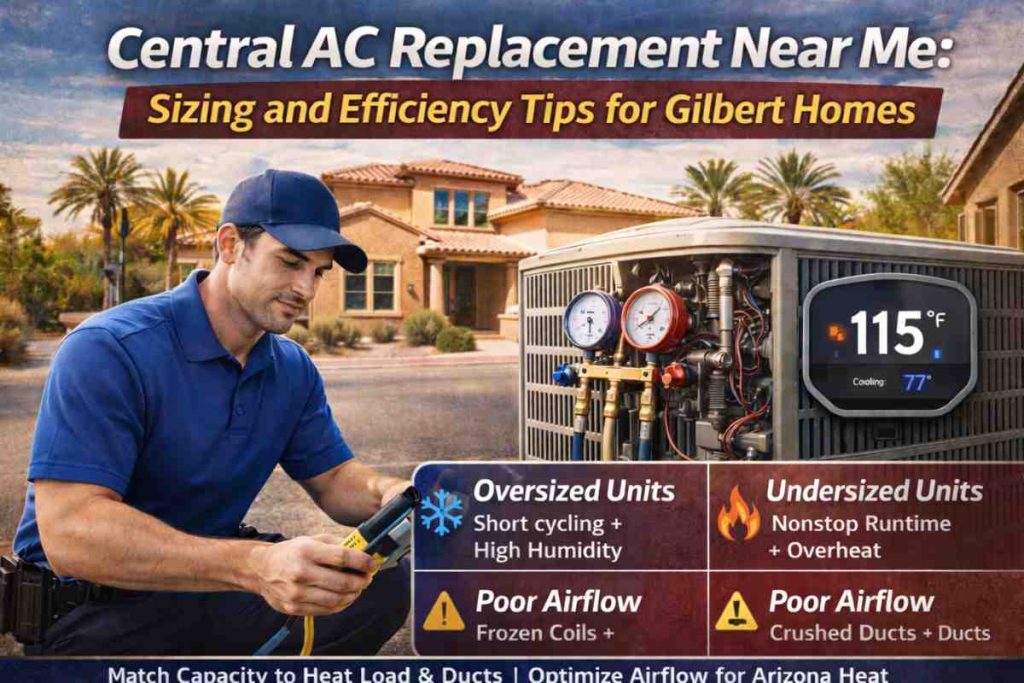
One of the biggest myths in the HVAC industry is that “bigger is better.” This is false. Installing an oversized HVAC system is just as bad as installing one that is too small.
The Goldilocks Principle
- Too Small: The unit will run continuously, never reaching your desired temperature, leading to high bills and premature wear.
- Too Big: The unit will cool the house too quickly and shut off (short cycling). This prevents the system from removing humidity, leaving your home feeling cold and clammy. It also puts massive stress on the compressor.
- Just Right: The unit runs long, steady cycles that maintain temperature and effectively dehumidify the air.
The Manual J Calculation
To determine the right size, a professional contractor should perform a “Manual J” load calculation. This calculation takes into account:
- Square footage.
- Window types and direction.
- Insulation levels.
- Height of ceilings.
- Number of occupants.
Do not guess on size. Get a professional assessment to ensure your new unit is perfectly sized.
3. Decoding Efficiency Ratings: SEER2, EER2, and HSPF2
When shopping for an HVAC system, you will see yellow “Energy Guide” stickers with various acronyms. Understanding these is key to calculating your return on investment.
SEER2 (Seasonal Energy Efficiency Ratio 2)
As of 2023, the industry moved from SEER to SEER2. This measures how efficiently the unit cools over an entire season. The higher the number, the less electricity it uses. A jump from an old 10 SEER unit to a modern 16 SEER2 unit can reduce your cooling costs by 30-40%.
EER2 (Energy Efficiency Ratio 2)
This measures efficiency at a specific peak operating temperature (usually 95°F). For homeowners in extremely hot climates, EER2 is often more important than SEER2 because it tells you how the unit performs when you need it most.
HSPF2 (Heating Seasonal Performance Factor 2)
This is the efficiency rating for the heating mode of a heat pump. A higher HSPF2 means cheaper heating in the winter.
High-efficiency units often cost more upfront but pay for themselves over time in utility savings. Calculate your potential savings with one of our energy experts.
4. Single-Stage vs. Two-Stage vs. Variable Speed
The technology inside the compressor (the heart of the HVAC system) has evolved significantly.
Single-Stage Systems
These units run at 100% capacity whenever they are on. They turn on, blast cold air, and turn off. They are the most affordable option but the least efficient and loudest.
Two-Stage Systems
These units can run at a lower capacity (usually 60-70%) for mild days and kick into 100% capacity only when it is extremely hot. This provides more even temperatures and better efficiency.
Variable-Speed Systems (Inverter Driven)
These are the Ferrari of HVAC. The compressor can adjust its speed in tiny increments (from 30% to 100%) to match the exact cooling load of your home. They run longer at very low speeds, which makes them:
- Whisper quiet.
- Incredibly energy efficient.
- Superior at humidity control.
If you are looking for maximum comfort, contact us to learn about our variable-speed options.
5. The Role of the Thermostat and Controls
Your HVAC system is only as smart as the thermostat controlling it. When upgrading your unit, you should almost always upgrade your thermostat.
Smart Thermostats
Wi-Fi-enabled thermostats (like Nest, Ecobee, or proprietary brand controls) allow you to:
- Control the temperature from your phone.
- Set schedules so you aren’t cooling an empty house.
- Receive alerts when the system needs maintenance.
Zoning Systems
Does your upstairs get hot while your downstairs is freezing? Zoning uses motorized dampers in the ductwork and multiple thermostats to control different areas of the house independently. This ensures everyone is comfortable and stops you from wasting energy conditioning unused rooms.
Ready to take control of your climate? Schedule a smart home upgrade today.
6. Indoor Air Quality (IAQ) Add-Ons
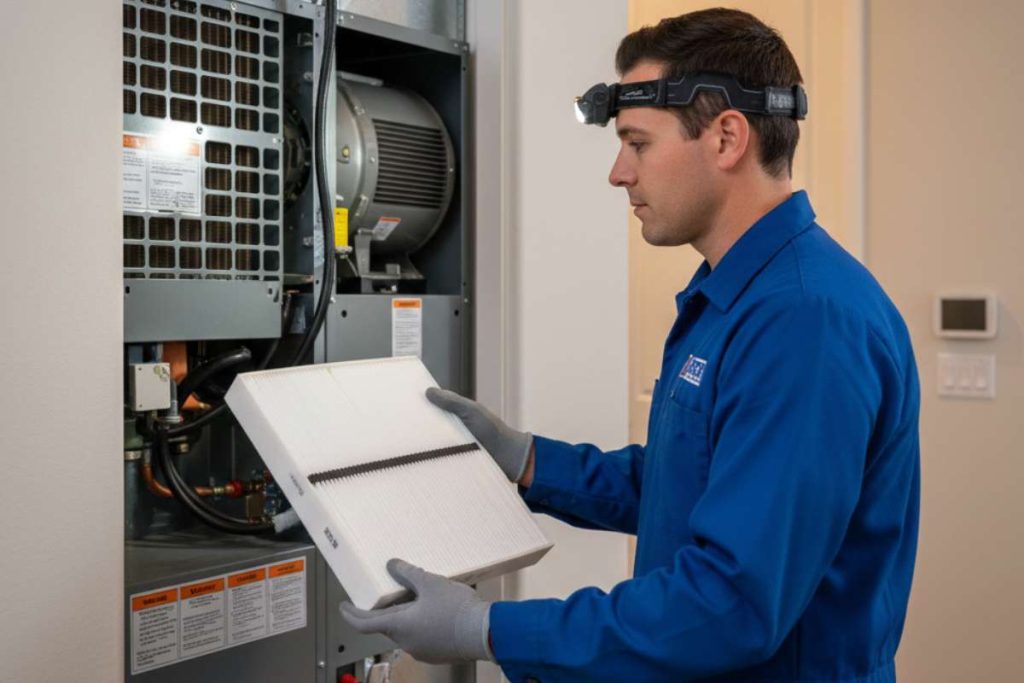
A standard HVAC system comes with a basic filter slot, but that is often just to protect the equipment, not your lungs. If you suffer from allergies, asthma, or have pets, consider adding IAQ components during your installation.
- Media Filters: Thicker (4-5 inch) filters that trap smaller particles.
- UV Lights: Installed in the coil to kill mold and bacteria before they enter the air stream.
- Whole-Home Purifiers: Systems that actively scrub the air of viruses and odors.
- Humidifiers/Dehumidifiers: To maintain optimal moisture levels for health and wood protection.
Clean air is a necessity, not a luxury. Ask about our air quality solutions when you request your quote.
7. The Importance of Ductwork
You can buy the most expensive, high-efficiency HVAC system on the market, but if your ductwork is leaking, you are throwing money away.
According to Energy Star, the average home loses 20-30% of the air that moves through the duct system due to leaks, holes, and poorly connected ducts. Before installing a new unit, your contractor should inspect your ducts.
- Sealing: Mastic or tape can seal small leaks.
- Insulation: Proper insulation ensures the air stays cold as it travels through hot attics.
- Sizing: New high-efficiency blowers require proper static pressure. If your ducts are too small, the new unit will suffocate.
Do not neglect the lungs of your home. Call now for a ductwork inspection.
8. Installation Quality: The “X” Factor
This is the most critical section of this guide. The most important day in the life of your HVAC system is the day it is installed.
A premium brand unit installed poorly will fail sooner and run less efficiently than a budget brand installed perfectly. Poor installation can lead to:
- Refrigerant leaks.
- Electrical hazards.
- Drainage issues (water damage).
- Voided warranties.
When choosing a contractor, look for:
- Licensing and Insurance: Never hire an unlicensed handyman for HVAC work.
- Permits: A reputable company always pulls the required city permits.
- NATE Certification: This shows the technicians have passed rigorous industry testing.
- Guarantees: Does the company stand behind their workmanship?
At Discount AC & Refrigeration, we pride ourselves on precision installation. Book an appointment to meet our certified team.
9. Warranties and Guarantees
When comparing quotes for your new HVAC system, pay close attention to the warranty coverage.
- Manufacturer Warranty: Typically covers parts. A standard warranty is 5 years, but many manufacturers extend this to 10 years if the unit is registered within 60 days of installation. Always ensure your contractor registers the unit for you.
- Labor Warranty: The manufacturer provides the part, but who pays for the labor to install it? A strong installation company will offer a labor warranty (often 1-2 years or more) to protect you from defects in workmanship.
- Extended Warranties: These can cover labor for up to 10 years, providing total peace of mind.
Protect your investment. Request a free estimate and ask about our warranty packages.
10. Financing and Rebates
Replacing an HVAC system is a financial commitment. However, there are many ways to make it affordable.
Manufacturer Rebates
During the “shoulder seasons” (spring and fall), manufacturers often offer cash-back rebates on specific high-efficiency models.
Utility Rebates
Local power companies often incentivize homeowners to upgrade to high-efficiency units (high SEER2) because it reduces the load on the electrical grid. These rebates can be substantial.
Tax Credits
Federal programs often provide tax credits for installing energy-efficient heat pumps and air conditioners.
Financing Options
Most reputable HVAC companies offer financing plans that allow you to pay for the system over time, often with low monthly payments. This allows you to start saving on your energy bill immediately while paying off the unit.
Don’t let budget constraints stop you from being comfortable. Explore financing options with us today.
11. Maintenance: Protecting Your New System
Once your new HVAC system is installed, you need to maintain it. You wouldn’t drive a new car for 100,000 miles without an oil change; your AC is no different.
Annual maintenance ensures:
- The warranty remains valid (manufacturers require proof of maintenance).
- Efficiency stays high.
- Small problems are caught before they become expensive breakdowns.
We offer comprehensive maintenance plans to keep your new unit running like new. Join our maintenance program and save on future repairs.
Frequently Asked Questions About New HVAC Systems
What is a Manual J calculation and why is it mandatory for a new AC?
Manual J is a calculation performed to determine the exact size your home needs based on insulation, windows, and square footage. It prevents oversized systems that cause humidity issues and short cycling.
What is the difference between a Heat Pump and a Straight Cool system?
A Straight Cool system uses electricity for cooling and usually gas for heating. A Heat Pump uses electricity to cool and heat by reversing refrigerant flow, making it more efficient in moderate climates.
Is a Variable-Speed unit worth the extra upfront cost?
Yes. Variable-speed compressors adjust output to maintain comfort with lower energy use. They offer quiet operation, excellent humidity control, and long-term energy savings.
What is the most critical factor in a new HVAC system’s longevity and performance?
Installation quality. A high-end unit installed poorly performs worse than a budget unit installed correctly. Choose a contractor with strong credentials and proven workmanship.
What is the difference between SEER2 and EER2 ratings?
SEER2 measures seasonal efficiency across various temperatures. EER2 measures efficiency at high temperatures. In very hot climates, EER2 is often more important for performance during peak heat.
Why should I care about my home’s ductwork before installation?
Homes can lose up to 30 percent of conditioned air through leaking ducts. Ensuring duct
Conclusion: Making the Right Choice
Choosing the right HVAC system involves balancing your budget, your comfort goals, and your home’s physical requirements. It is a lot to consider, but you don’t have to do it alone.
At Discount AC & Refrigeration, we are dedicated to helping homeowners navigate these choices with honesty and transparency. We don’t just want to sell you a unit; we want to install a solution that keeps your family comfortable for the next 15 years.
Ready to take the next step?
- Call now to speak with an expert.
- Schedule a consultation for a home assessment.
- Request a free quote to compare your options.
Don’t settle for discomfort. Upgrade your home today.
Additional Resources
- Need help with a commercial property? View our Commercial HVAC Services.
- Located in the East Valley? We offer AC Installation in Mesa.
- Looking for specialized cooling? Learn about Ductless Mini-Splits.
- Worried about repairs? Read about our Emergency AC Repair.
- Want to earn cash? Check out our Refer & Earn Program.
Trust the experts. Trust Discount AC & Refrigeration.