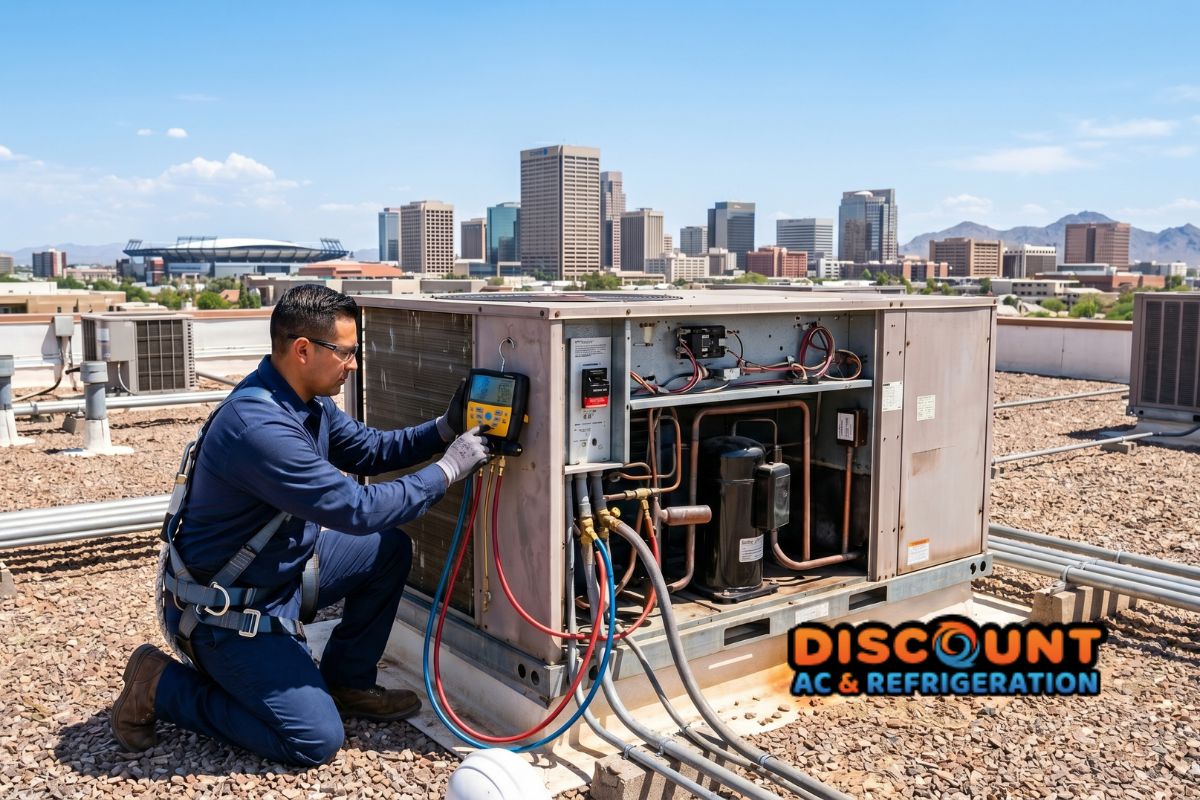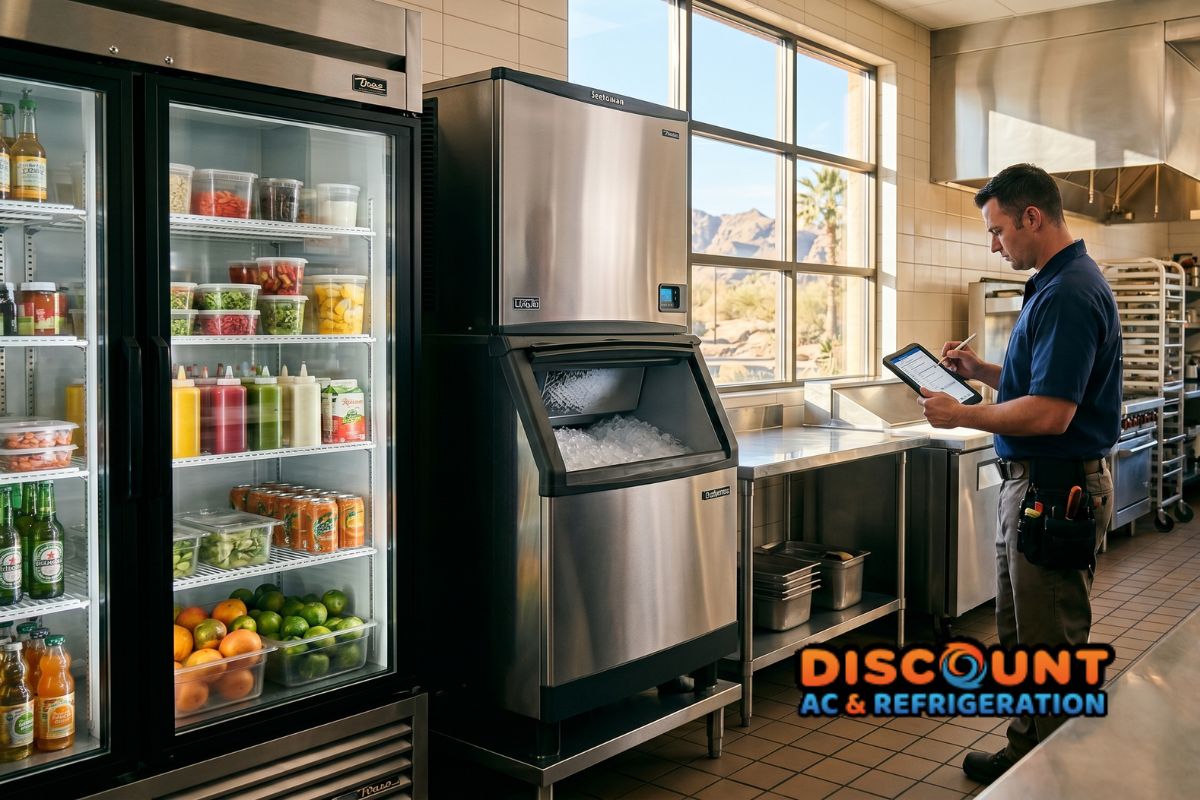
The Best Commercial Ice Machines for High-Volume Gas Stations
Find the best commercial ice machines for high-volume gas stations. Capacity guide, top brands, and professional service in Phoenix, AZ. Call (480) 478-2616.
Stay informed with practical articles from the professionals at Discount AC & Refrigeration. Our blog covers real HVAC and refrigeration topics that matter to Arizona homeowners and businesses — from maintenance guides and energy-saving advice to product insights and case studies.

Find the best commercial ice machines for high-volume gas stations. Capacity guide, top brands, and professional service in Phoenix, AZ. Call (480) 478-2616.
Learn how combining commercial HVAC and refrigeration management in Goodyear reduces energy costs, prevents system conflicts, and maximizes efficiency in Arizona’s extreme climate.
Planning gas station equipment installation in Maricopa County? Our licensed HVAC & refrigeration team handles every project right. ROC 361623. Call (480) 478-2616 — open 6 AM–Midnight.
Hiring commercial refrigeration contractors in Gilbert AZ? Learn the 7 must-check qualifications before you sign. Licensed local experts available 6 AM–Midnight. ROC 361623.

Meet commercial ice equipment installation requirements the right way. Expert guide for restaurants, hotels & facilities in Arizona. Licensed team — ROC 361623. Call (480) 478-2616.

Need commercial ice machine installation in Goodyear AZ? Expert guide for high-traffic gas stations covering sizing, electrical, plumbing, ventilation, and site selection. Licensed refrigeration team. Call (480) 478-2616.

Heat pump vs furnace — which heating system saves more in Arizona? Our licensed HVAC team in Gilbert explains costs, efficiency, and what’s right for your home.

If you’re asking “why is my ductwork noisy,” you’re not alone — and the answer isn’t always harmless. Ductwork banging, rattling, whistling, or popping can signal anything from a simple pressure imbalance to a failing blower motor or disconnected duct section. This guide walks you through every common noise type,

If you’ve ever had a technician tell you that your AC unit uses R-22 and replacement refrigerant is expensive — or that your new system runs on R-410A or R-454B — you’ve encountered the long, complicated history of refrigerants firsthand. What gets pumped through your AC system has changed dramatically

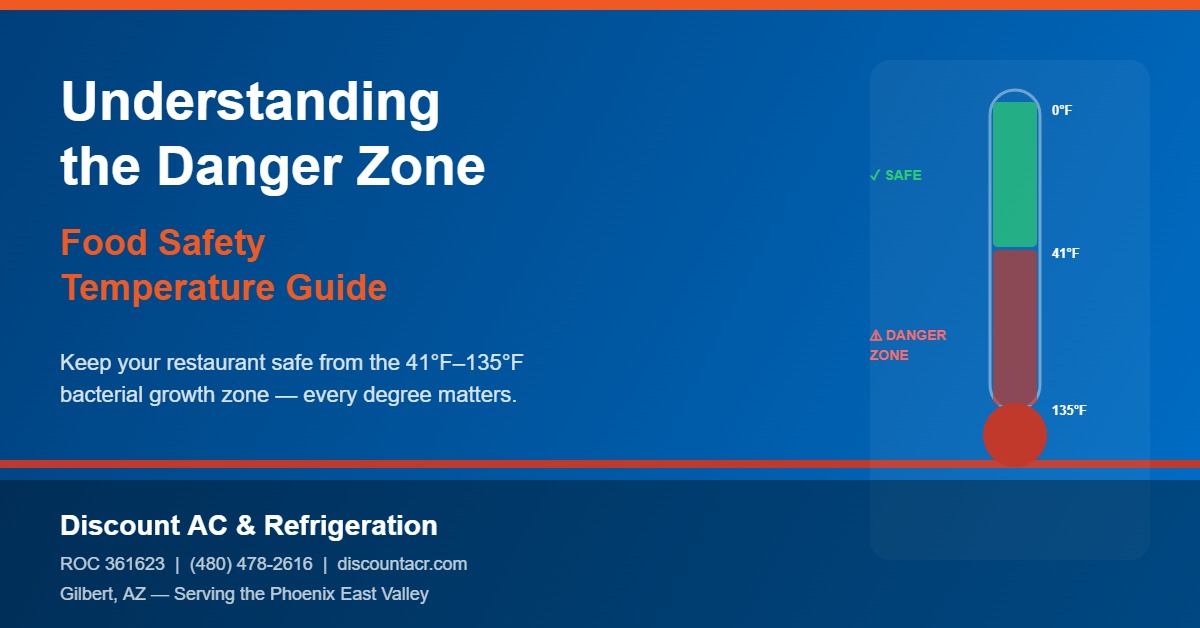
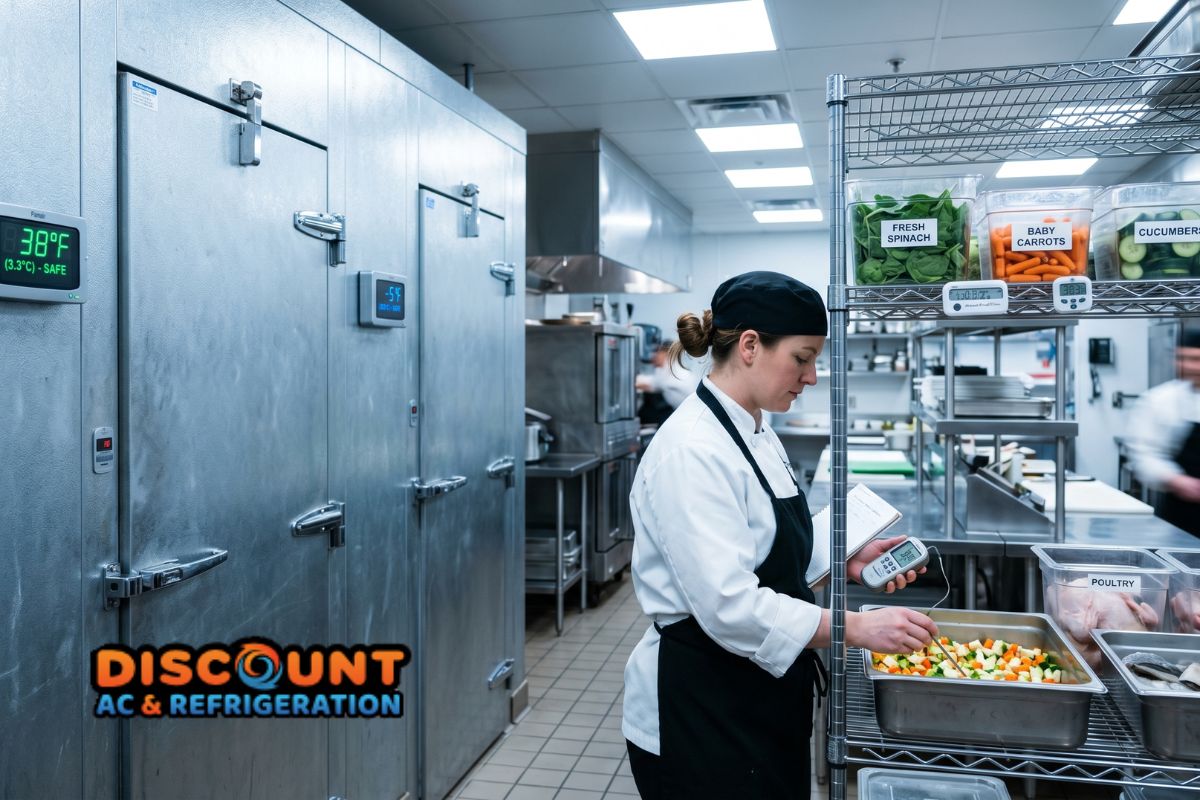
Learn the food safety temperature range and how to prevent commercial refrigeration failures that put your restaurant at risk. Expert HVAC guidance for Phoenix East Valley restaurant owners.

Learn how AC controls humidity in your Arizona home or business. Our licensed Gilbert HVAC technicians explain the science, warning signs, and solutions before monsoon season hits.

Need affordable AC repair near me in Gilbert, AZ? Learn what honest diagnostics cost, when to repair vs. replace, and how to verify a licensed HVAC contractor. Discount AC & Refrigeration — ROC 361623 — open 6 AM to Midnight.

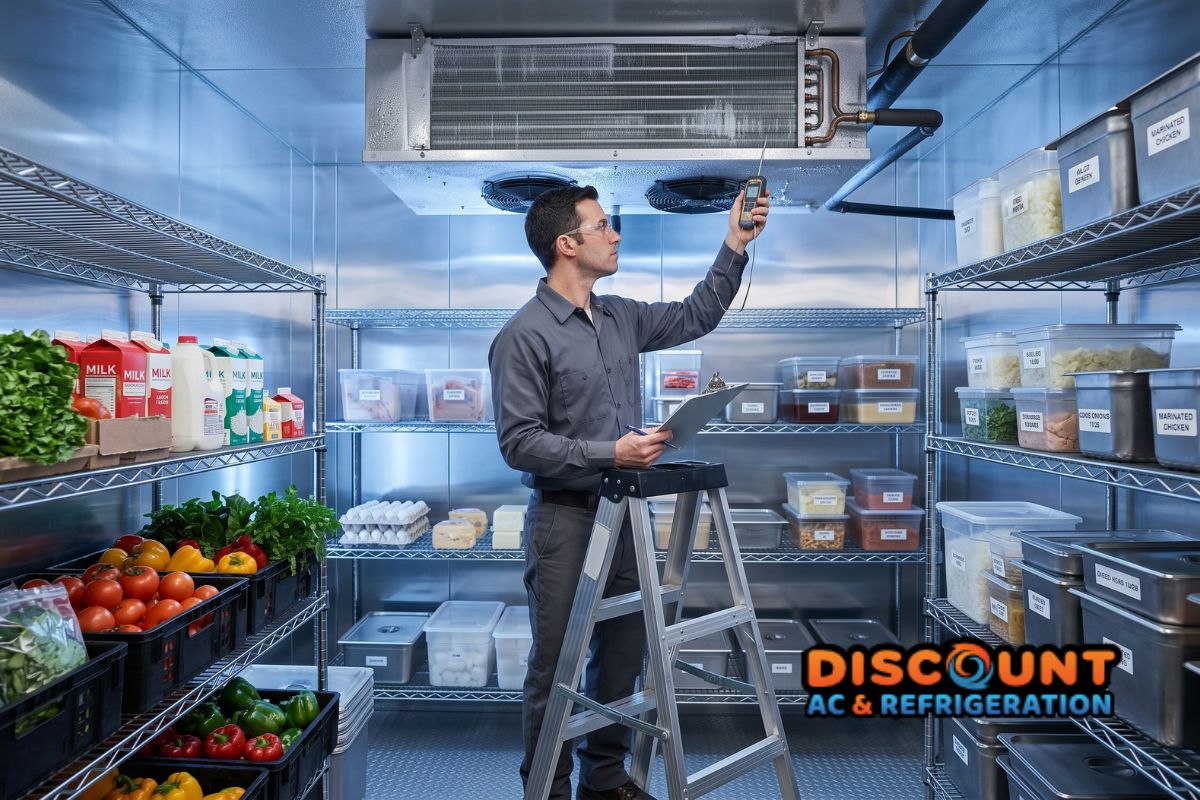
Airflow in Walk-in Coolers: The Physics Behind Proper Stacking Poor airflow in walk-in coolers is the single most preventable cause of temperature failure, food loss, and compressor burnout in Arizona commercial kitchens — and in most cases, the culprit is how product is stacked, not a broken component. Walk-in coolers

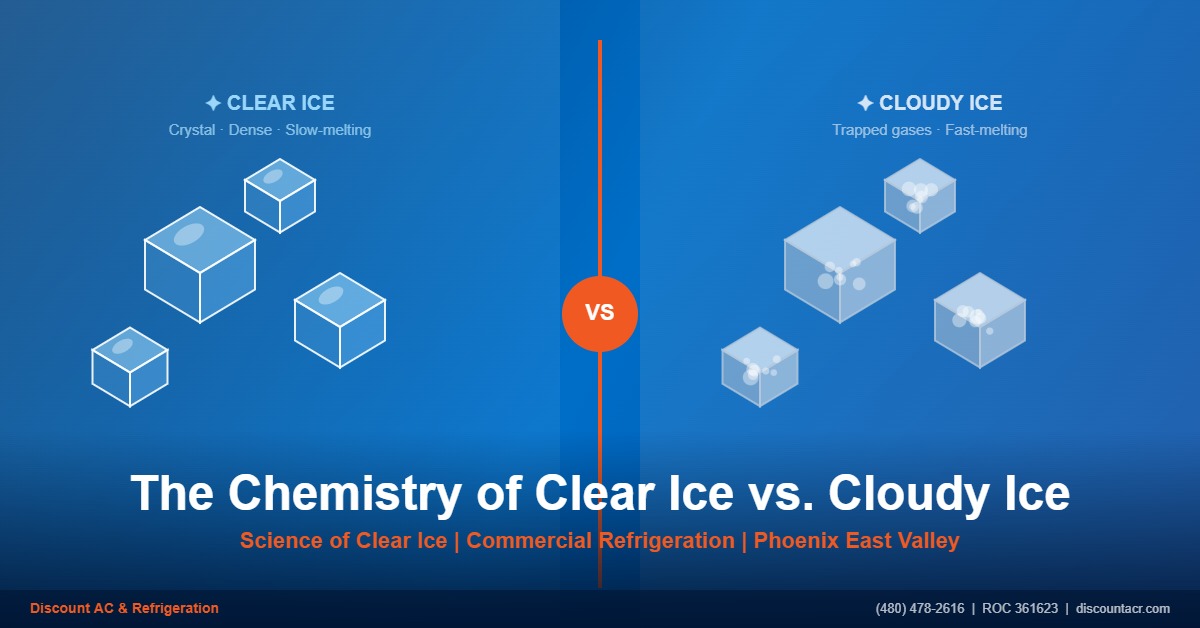
Discover the science of clear ice and why it matters for restaurants and bars in Arizona. Expert commercial refrigeration service from Discount AC & Refrigeration. Call (480) 478-2616.

Avoid the 5 most costly kitchen exhaust hood installation mistakes. Licensed HVAC technicians serving Gilbert, Mesa & Phoenix East Valley. Call (480) 478-2616.

Learn how commercial kitchen thermodynamics drives equipment failure in Arizona. Expert HVAC & refrigeration service from Discount AC & Refrigeration. Call (480) 478-2616.

Learn how air conditioning works step-by-step. Components, refrigerant cycle, and Arizona-specific tips from licensed HVAC pros.

Walk-in cooler efficiency drops when heat load from Arizona’s 110–115°F summers overwhelms systems that are improperly maintained, poorly sealed, or sized for moderate climates — not the desert. If your commercial walk-in cooler is running constantly, cycling short, or showing up on your electricity bill as the biggest line item,

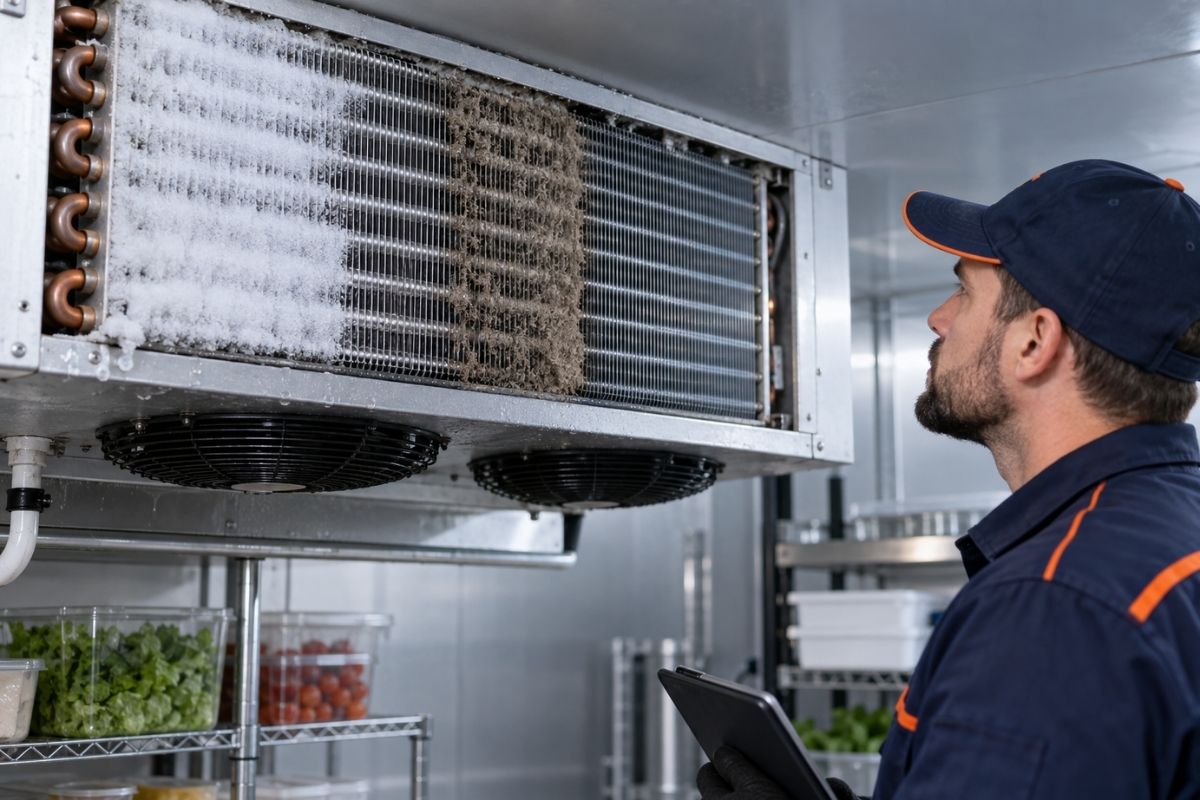
walk-in freezer ice buildup is almost always a humidity problem — excess moisture enters the unit through failing door seals, frequent door cycles, or a malfunctioning defrost system, then freezes on evaporator coils and walls before you ever notice the performance drop. If you’ve opened your walk-in freezer lately and

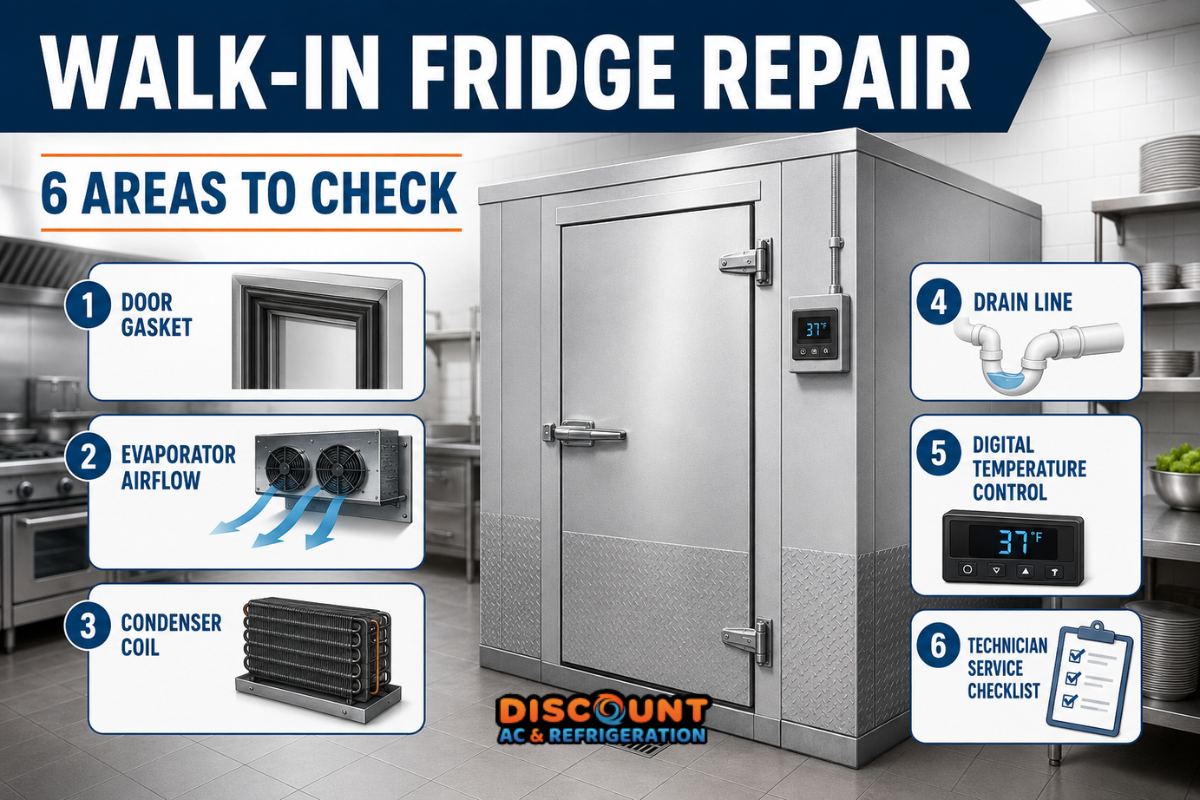
Walk-in cooler repair issues almost always trace back to thermal load problems — cold air escaping through worn gaskets, failing door seals, dirty condenser coils, or refrigerant charge issues that force the system to run continuously without holding setpoint, especially under Arizona’s 110–115°F summer heat. If you’re a restaurant owner

Walk-in refrigerator maintenance failures almost always start at the door gasket, where worn seals let warm Arizona air leak in, force compressors to overwork, and quietly drive up energy bills until a critical breakdown happens during the busiest service of the week. If you run a restaurant, brewery, grocery store,

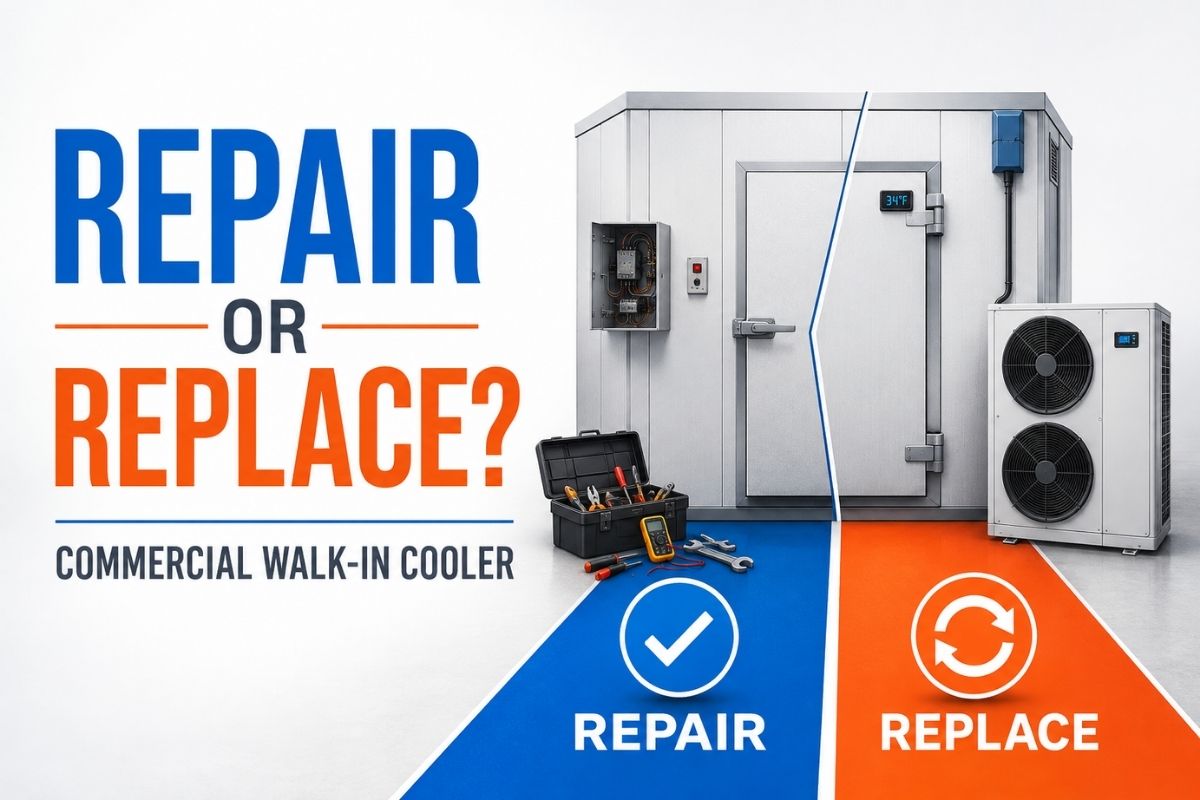
Hoshizaki vs. Manitowoc: Best Repair Practices for Top Brands ice machine repair service costs and complexity vary significantly depending on brand engineering, refrigerant type, water filtration demands, and Arizona’s extreme ambient temperatures — factors that directly determine whether a repair is cost-effective or a full unit replacement makes more sense.

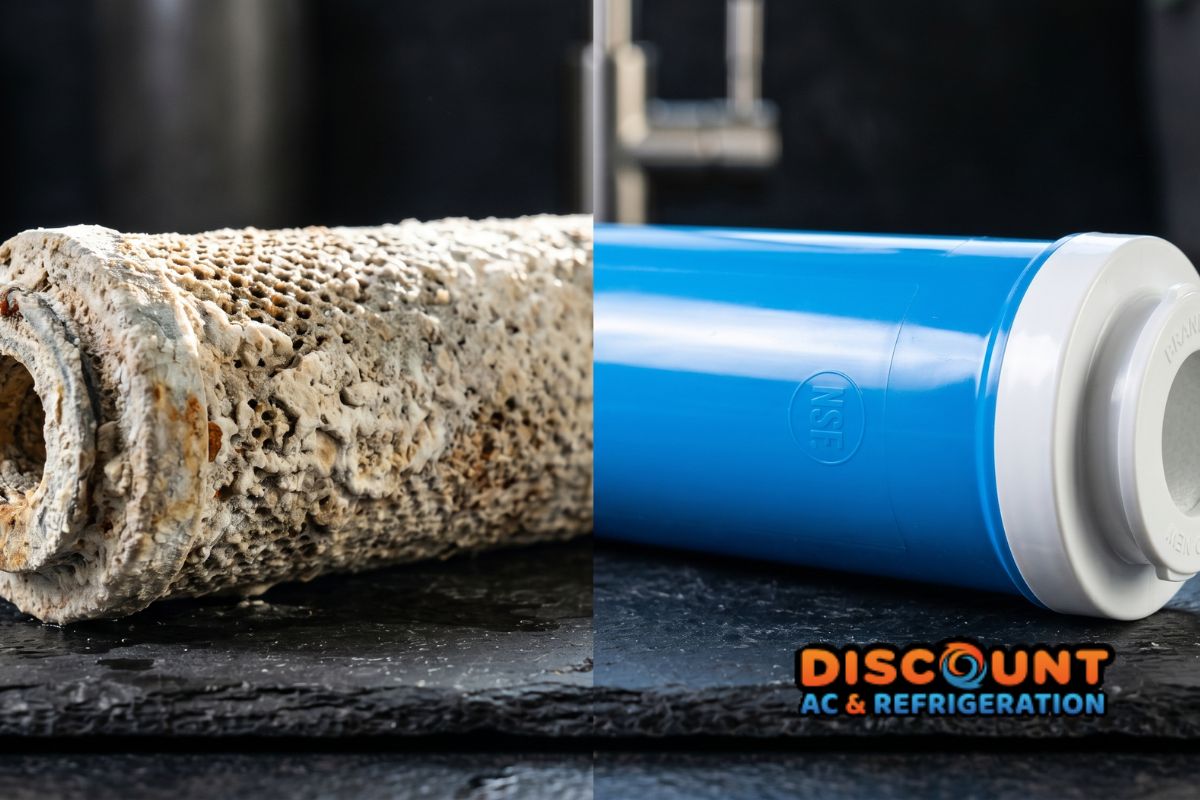
ice machine water filter — ice quality, machine lifespan, and energy efficiency in Arizona’s commercial kitchens are directly impacted by mineral-heavy water, high ambient temperatures (110–115°F), and inadequate filtration systems that allow scale, sediment, and biofilm to accumulate inside the unit. Why Your Ice Machine Needs a Water Filter System

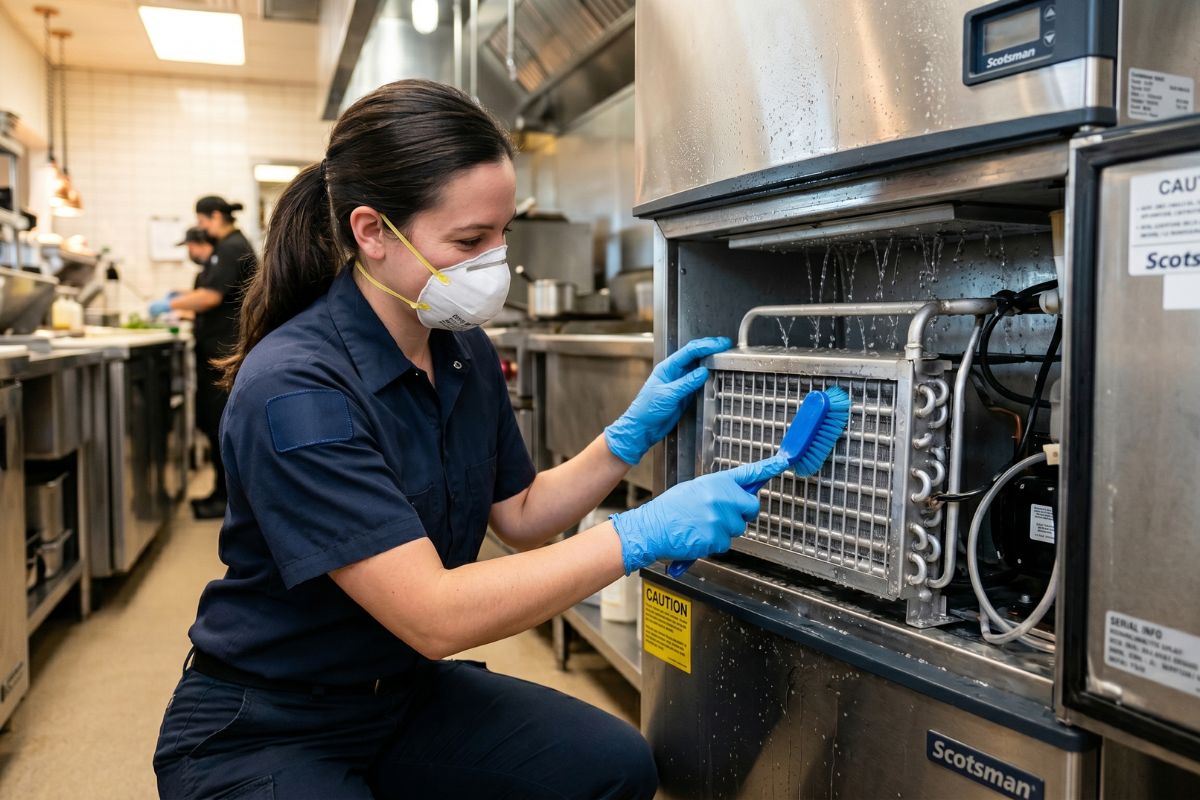
Dirty ice is a health violation waiting to happen. If your commercial ice machine hasn’t been professionally cleaned in the last 6 months, you’re likely producing ice contaminated with biofilm, mold, and bacteria — and your customers are consuming it. This guide walks you through exactly how commercial ice machine

Ice machine troubleshooting usually comes down to four variables — water supply quality, condenser airflow, ambient temperature, and refrigerant performance — and in Arizona’s 110–115°F summers, even small issues compound fast and shut production down. If your commercial ice machine stopped making ice in the middle of a Friday dinner

You walk into your restaurant at 5 a.m. and the walk-in cooler is sitting at 52°F. Thousands of dollars in prime cuts, dairy, and produce are already in the danger zone. The compressor is humming, but the evaporator coils are caked with dust and the condenser is choked with grease. This

Reach-in cooler repair needs in the Phoenix East Valley spike when temperature differentials between desert ambient air (110–115°F) and required cabinet temps (35–38°F) push compressors, door gaskets, and condenser coils beyond normal design limits — problems compound fast when maintenance is deferred. Is Your Reach-In Cooler Failing? Here’s What’s Actually

Keep your restaurant FDA-compliant with expert refrigeration maintenance. Temperature standards, service schedule and warning signs from Queen Creek pros.

Commercial refrigeration repair costs and urgency vary based on compressor health, refrigerant type, condenser coil condition, door seal integrity, and how quickly temperature drift is caught before inventory spoils. Your walk-in cooler is running 15°F warmer than set point at 2:00 AM, and you have $8,000 in prime cuts, dairy,

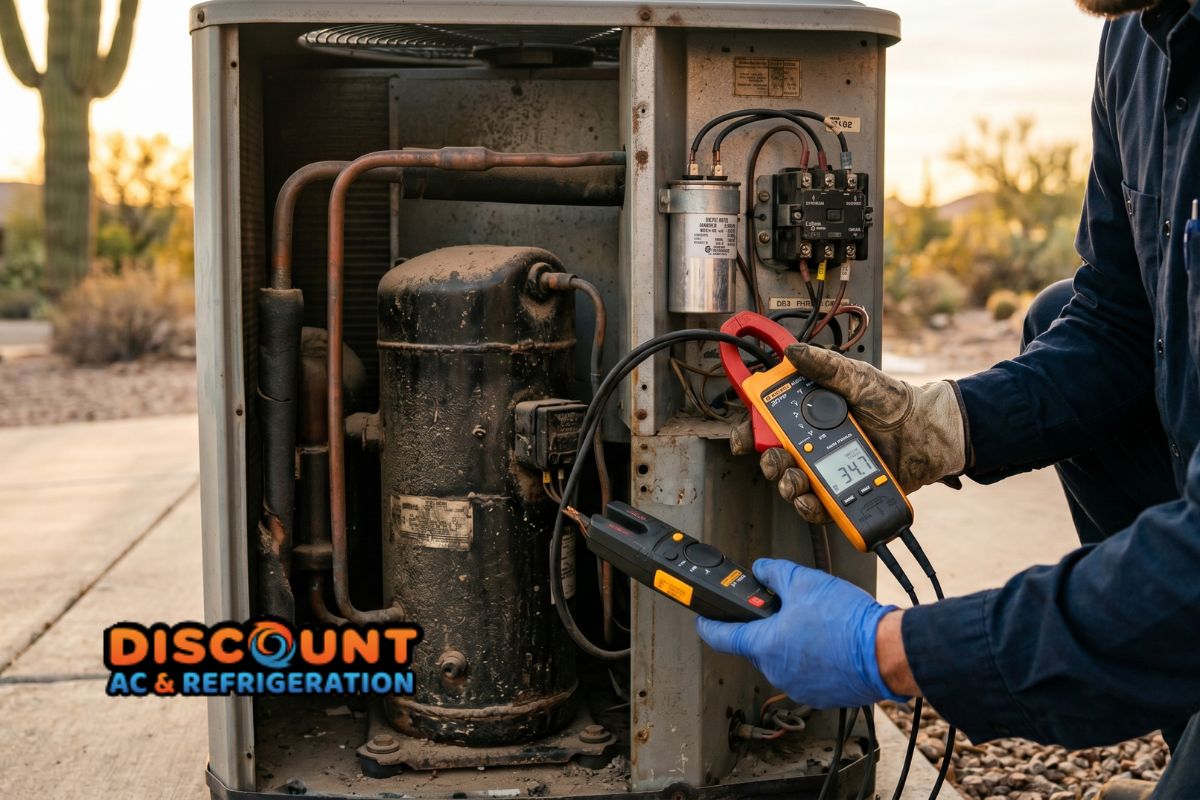
AC compressor repair decisions depend on the compressor’s age, refrigerant type, electrical condition, and how long the system ran under stress before symptoms appeared — especially in Arizona, where 110–115°F summers push compressors to their absolute limit. If your home feels warm even when the thermostat says “cooling,” or you

Businesses operating multiple commercial locations across Phoenix need a single HVAC maintenance provider who delivers consistent diagnostics, standardized preventive maintenance, and coordinated emergency response at every site—without the cost overruns and communication gaps that come from juggling separate contractors per building. A multi-site approach consolidates scheduling, parts procurement, and reporting

Mobile homes and manufactured homes in Mesa use packaged HVAC units, split systems, or through-the-wall units that differ from site-built construction in ductwork configuration, electrical capacity, mounting requirements, and efficiency ratings. Licensed technicians who understand manufactured housing standards (HUD code) diagnose and repair these systems correctly—avoiding the mismatched parts and

Multi-family property managers in Phoenix need HVAC contractors who handle 50-500+ unit complexes with scheduled maintenance, emergency response under 4 hours, and transparent per-unit pricing that simplifies budgeting. The right contractor reduces tenant complaints, prevents costly emergency calls during 115°F summers, and extends equipment lifespan across your entire portfolio. Why

Arizona hailstorms damage rooftop HVAC units by denting condenser fins, cracking refrigerant lines, puncturing insulation, and bending fan blades—reducing cooling efficiency 15-40% before the damage is even visible from ground level. Licensed HVAC technicians inspect, document, and repair storm damage so insurance adjusters have the technical evidence needed to approve

24/7 Emergency AC Repair: How to Handle a System Breakdown Emergency AC repair in Queen Creek and the East Valley starts the moment your cooling fails — not the moment a technician knocks on the door. What you do in the first 15 minutes after a breakdown can protect your

Root cause: HVAC preventative maintenance failures in Arizona’s East Valley are rarely sudden — they’re the compounded result of skipped inspections, clogged coils, and systems running at 110–115°F ambient temperatures until something breaks mid-service. Most Phoenix-area businesses don’t lose cooling because their equipment is old. They lose it because no

Industrial and commercial process cooling—cooling for manufacturing, data centers, medical facilities, and food processing—demands precision, reliability, and scalability that standard commercial HVAC cannot provide. When your facility’s core operation depends on maintaining exact water or fluid temperature within 0.5°F tolerance, you need industrial process cooling equipment engineered for 24/7 duty

VRF (Variable Refrigerant Flow) systems represent a paradigm shift in commercial HVAC design. Unlike traditional rooftop units that cycle on and off to maintain building temperature, VRF systems use inverter-driven compressors that modulate output continuously, delivering 30-40% energy savings while providing independent temperature control to every zone in your building.

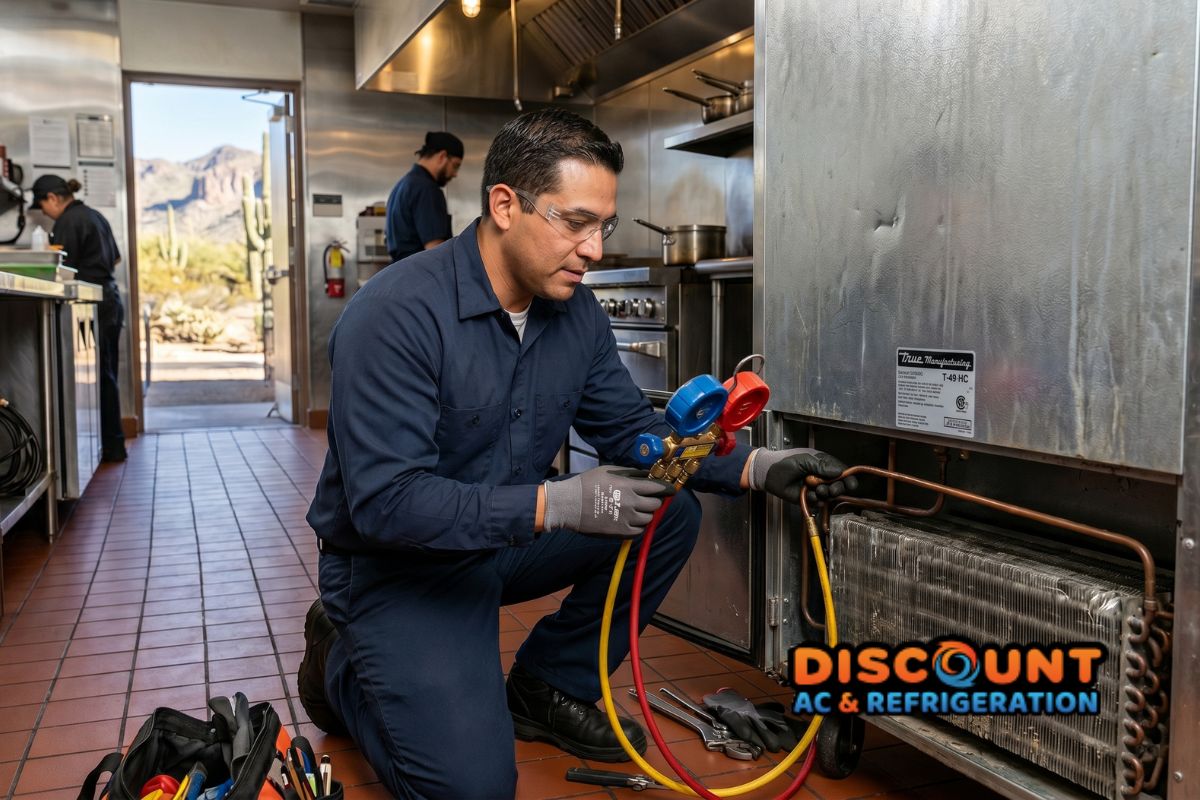
Phoenix’s brutal 110–118°F summer heat puts commercial ice machines under extreme stress, accelerating compressor wear and mineral scale buildup that stops production overnight. When your ice maker fails mid-service, you need repairs within hours—not days. Why Commercial Ice Machines Fail in Phoenix Heat Restaurants, bars, hospitals, and convenience stores depend

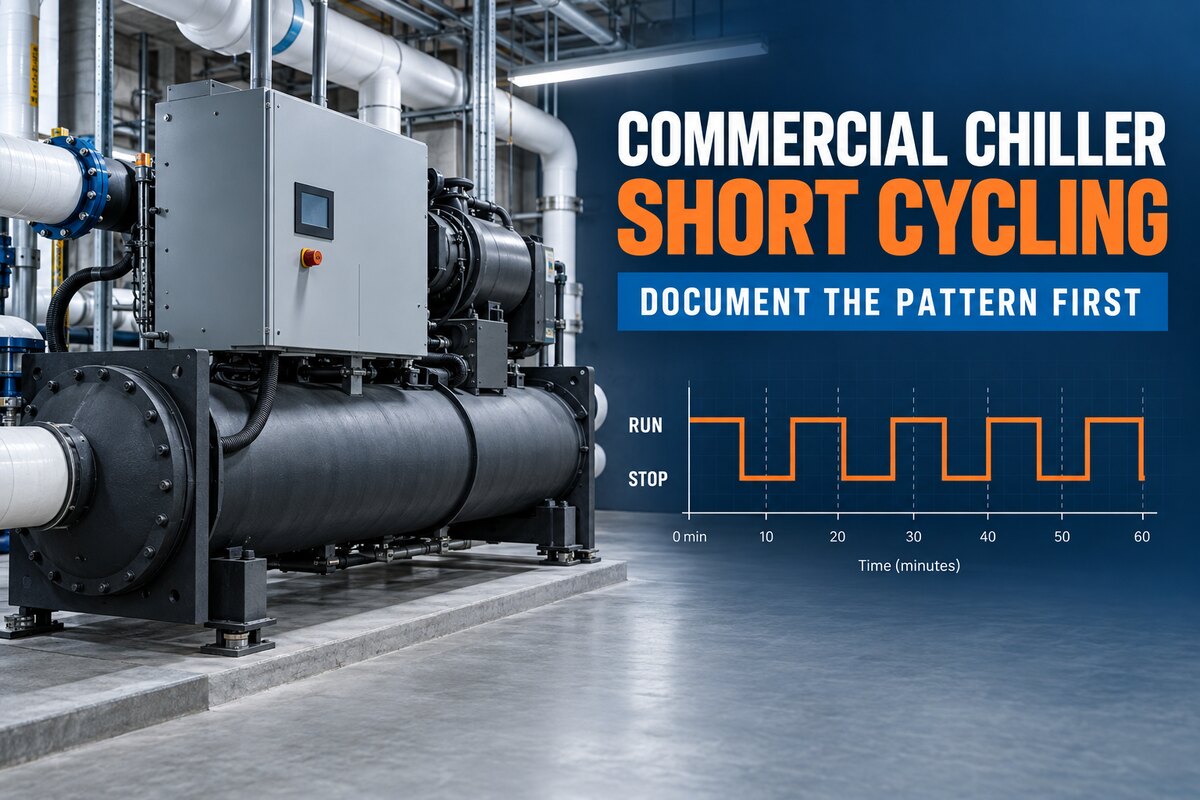
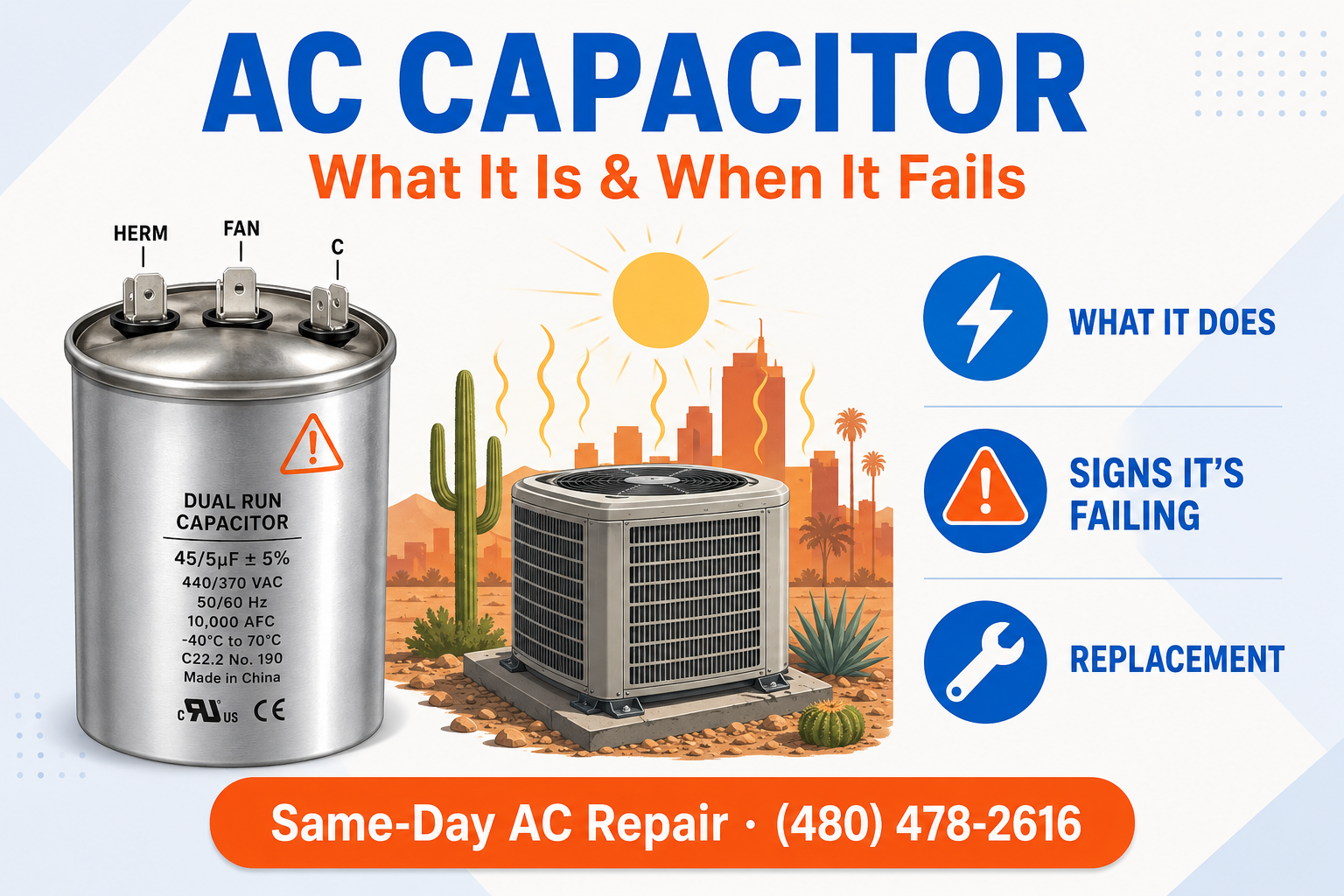
Short cycling occurs when a commercial HVAC compressor powers on and off repeatedly within minutes—instead of running steady 10-20 minute cycles. Root causes include dirty filters restricting airflow, refrigerant leaks reducing system pressure, oversized units cycling too frequently, faulty thermostats triggering false shutdowns, or failing electrical components like capacitors, contactors,

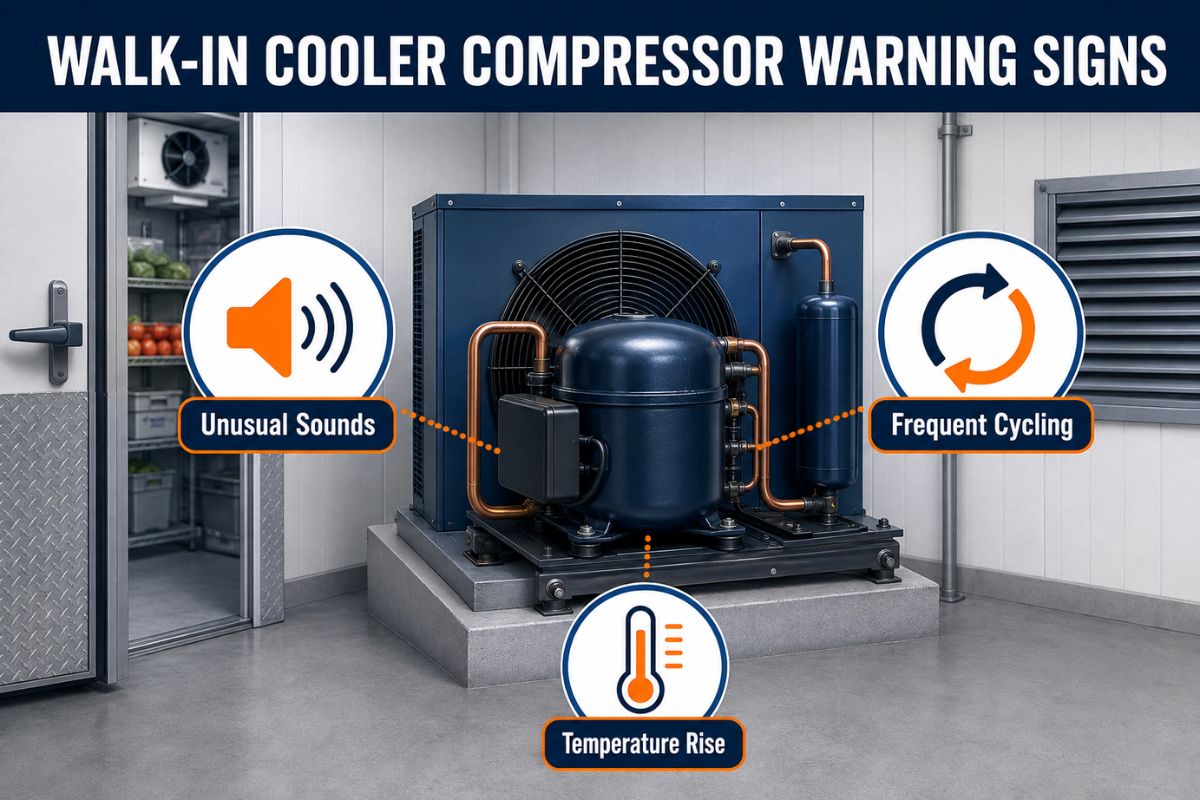
Walk-in coolers fail when compressors lose refrigerant pressure, evaporator coils frost over, or condenser fans burn out. Root cause: Phoenix’s 110–118°F summers force systems to run harder while dust and UV exposure degrade components faster. Licensed technicians diagnose the fault (typically within 30 minutes) and repair onsite, restoring cooling before

In Phoenix, a properly functioning AC system running efficiently should cost $150–$250/month in electricity during peak summer — if you’re paying significantly more, your system has an efficiency problem that’s costing you $300–$800+ per year in preventable utility costs. Here’s how to identify the exact cause and fix it. Discount

Commercial HVAC systems in Phoenix require a fundamentally different maintenance approach than residential units — the equipment is larger, the consequences of failure are more severe, and Arizona’s extreme heat demands more frequent service intervals than national guidelines specify. This guide covers what Phoenix businesses need, when they need it,

In Arizona, AC units typically last 12–18 years — compared to the national average of 15–20 years — because our extreme heat accelerates component wear significantly. The honest answer varies by brand, maintenance history, and how hard your system works. After 20 years working on Phoenix-area HVAC systems, here’s what

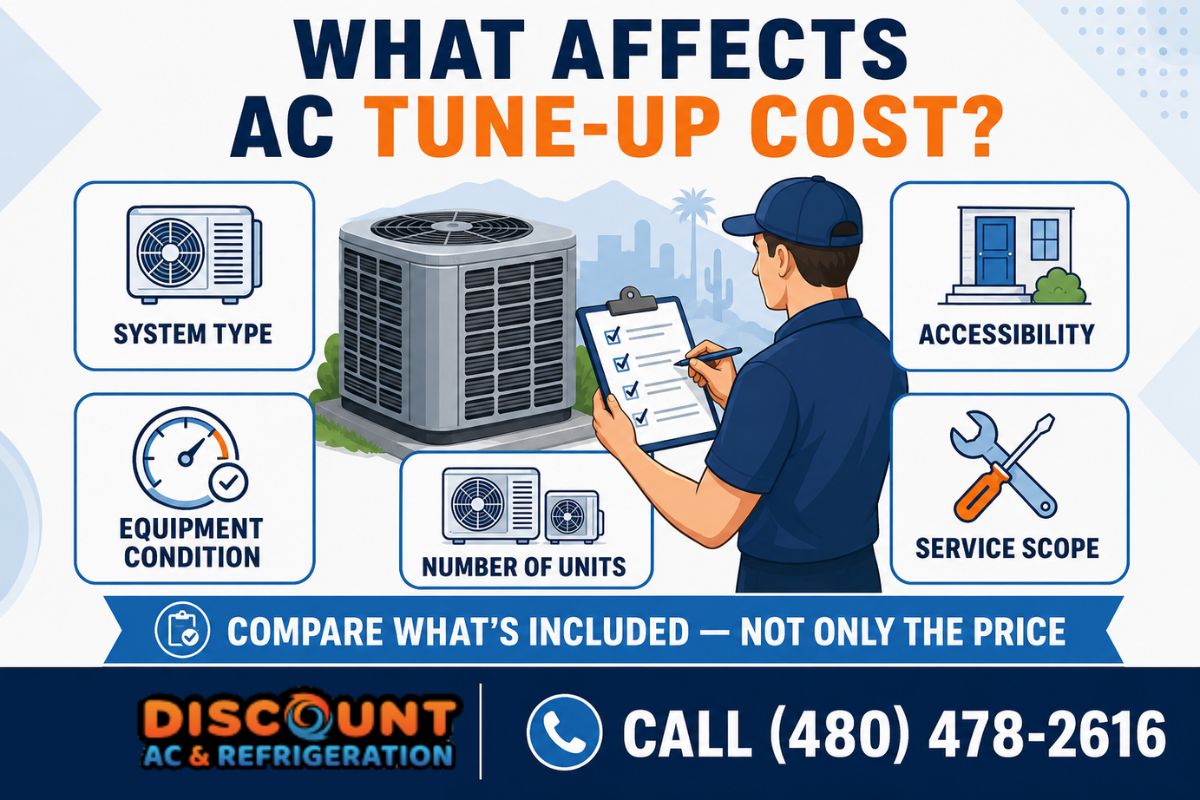
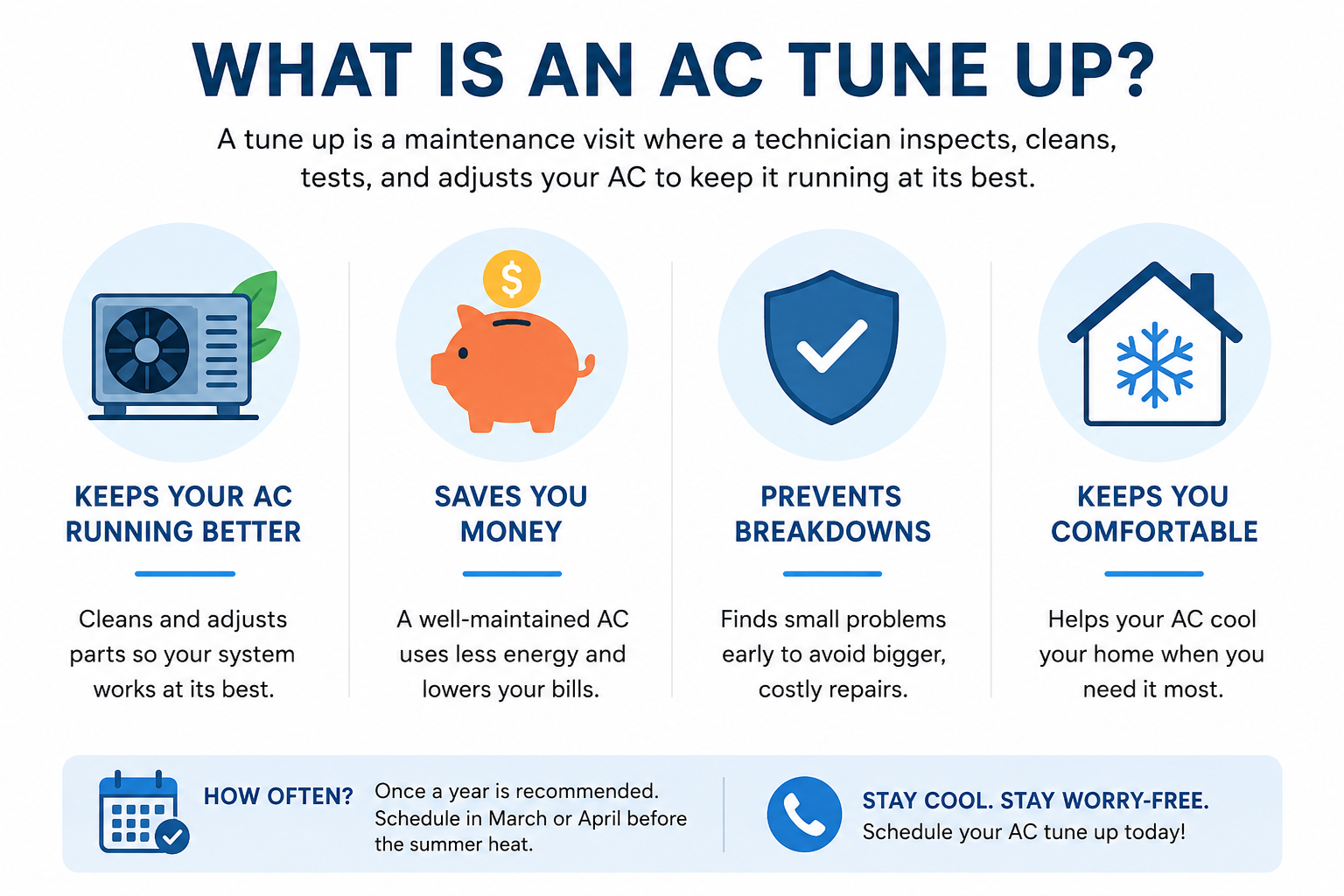
An AC tune-up and a full AC service are not the same thing — and in Phoenix’s extreme climate, choosing the wrong option can leave critical problems undetected before summer heat arrives. Here’s the honest breakdown of what each includes, what each costs, and how to choose based on your

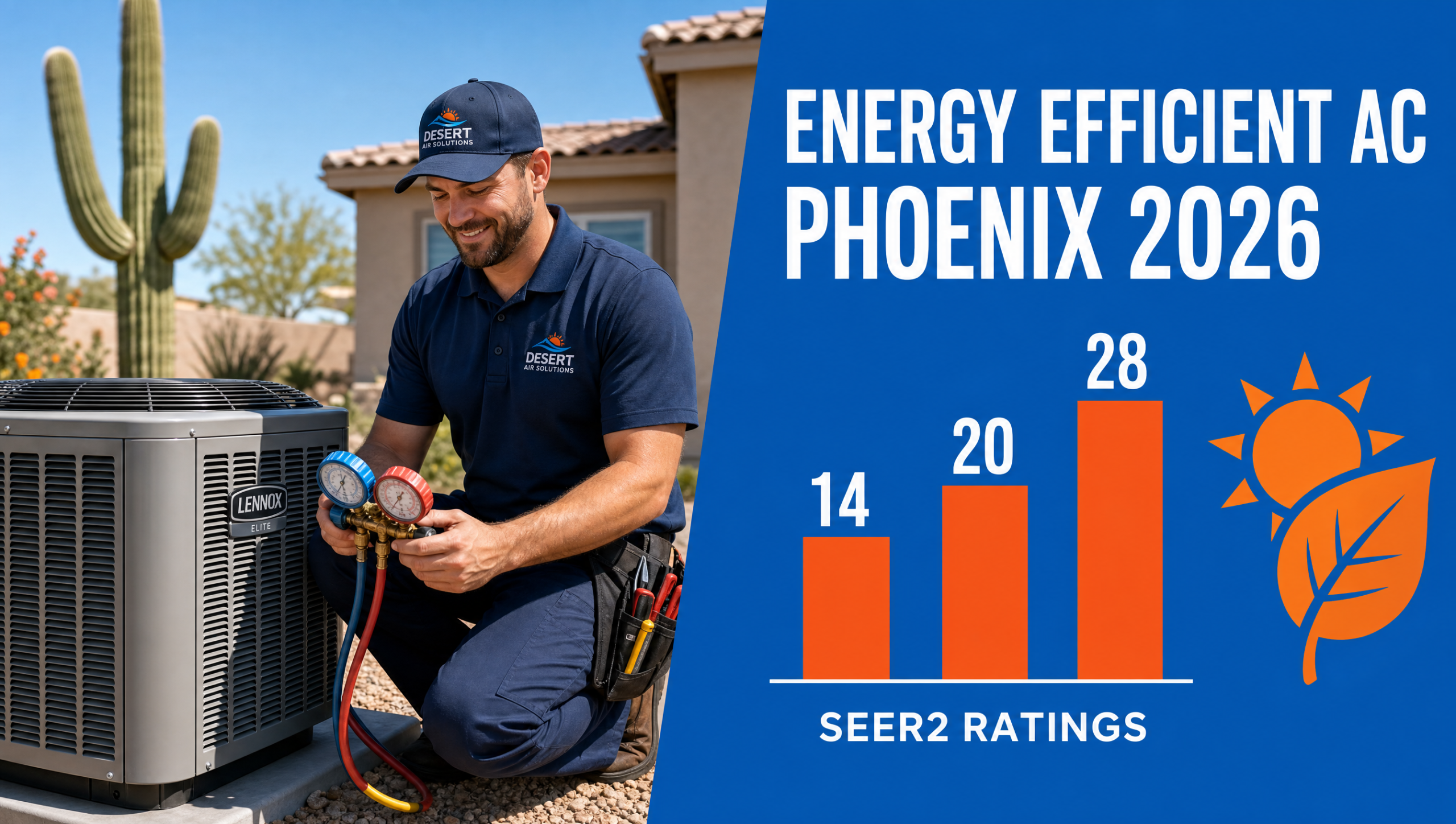
For Arizona, a SEER2 rating of 15–18 delivers the best balance of upfront cost and long-term energy savings — higher ratings provide diminishing returns in our climate unless you’re in a home with exceptionally high cooling loads. But the “best” SEER rating isn’t a single number for every home; it

When your AC fails in Phoenix during summer, indoor temperatures can exceed 100°F within 3–4 hours — creating a genuine health emergency for elderly residents, children, and pets. Knowing exactly what to do in the first 30 minutes after an AC failure can protect your family and your equipment while

Phoenix homeowners choosing between a heat pump and a traditional AC system can cut annual energy costs by 20–40% by matching the right equipment to their climate zone and usage patterns. Every AC installation decision in the Phoenix metro comes down to one question: do you need cooling only, or

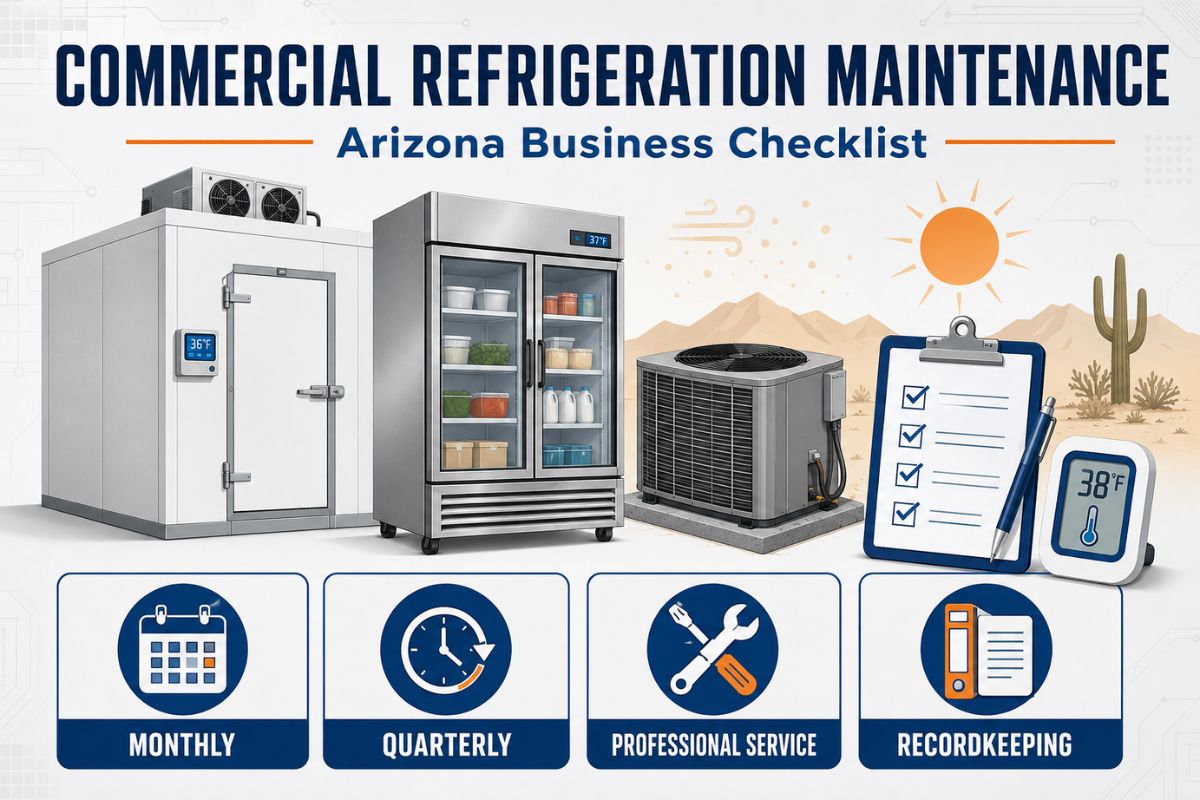
A proper commercial refrigeration maintenance schedule prevents 80% of equipment failures — and in Phoenix’s extreme heat, those failures can cost a restaurant thousands in lost inventory and health violations overnight. This checklist covers everything food service businesses in the Phoenix metro need to do daily, weekly, monthly, and annually

When your AC is running but your house isn’t cooling, the problem is usually one of eight specific failures — most of which a licensed technician can diagnose and fix the same day. In Phoenix, where indoor temperatures can reach dangerous levels within hours of an AC failure, knowing the

When Should You Replace Your AC in Phoenix? Most central air conditioning systems in Phoenix last 12 to 15 years before replacement becomes more cost-effective than continued repairs. With summer temperatures regularly exceeding 115°F in the Valley, your AC works harder than units in almost any other U.S. city —

In Phoenix, AC systems should be professionally serviced at least once a year — ideally in early spring before the brutal summer heat arrives. With temperatures regularly exceeding 110°F, your air conditioner works harder here than nearly anywhere else in the country. That extra strain accelerates wear, reduces efficiency, and

Commercial ice machines in Phoenix work harder than almost anywhere in the US — high ambient temps, hard water, and heavy demand are a recipe for frequent breakdowns without a solid maintenance routine. This guide covers what to do and how often for Phoenix restaurants, hotels, and food service operations.

Walk-in cooler not cooling in Phoenix? With food safety on the line, you need answers fast. Diagnose by symptom, learn the Phoenix-specific high-pressure lockout problem, and know when to call for emergency service.

Phoenix conditions cut commercial refrigerator life to 8–10 years without proper maintenance. Learn the Phoenix-adjusted service schedule that keeps equipment running 15–18 years and prevents expensive compressor failures.

Commercial refrigeration failure in Phoenix can cost $5,000–$15,000 in lost inventory. Learn the most common failures, repair costs, and what happens during a service call — from a team that specializes in Phoenix commercial refrigeration.

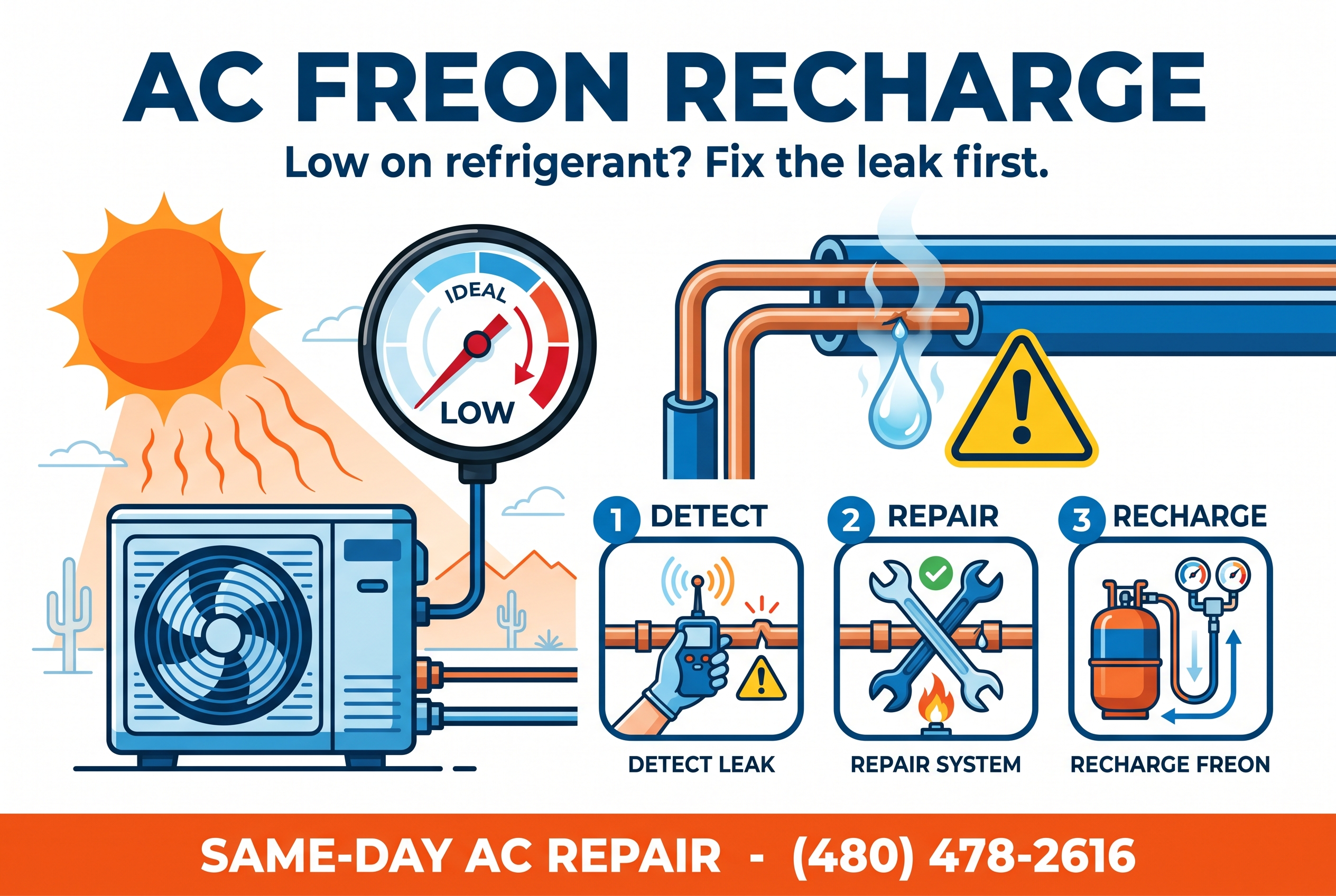
AC freezing up in Phoenix? Learn the 5 causes (clogged filter is #1), the 4-step thaw guide, and when a refrigerant leak is the real problem. Act fast — running a frozen AC can kill the compressor.

Unusually high electric bills in Phoenix summer often point to an AC efficiency problem. Learn the 6 most common causes, the SEER savings math, and peak-hour thermostat strategies for APS and SRP customers.

Every unusual AC noise means something different. This guide diagnoses 8 common AC sounds in Phoenix — banging, buzzing, squealing, hissing — with urgency levels and what to do next.

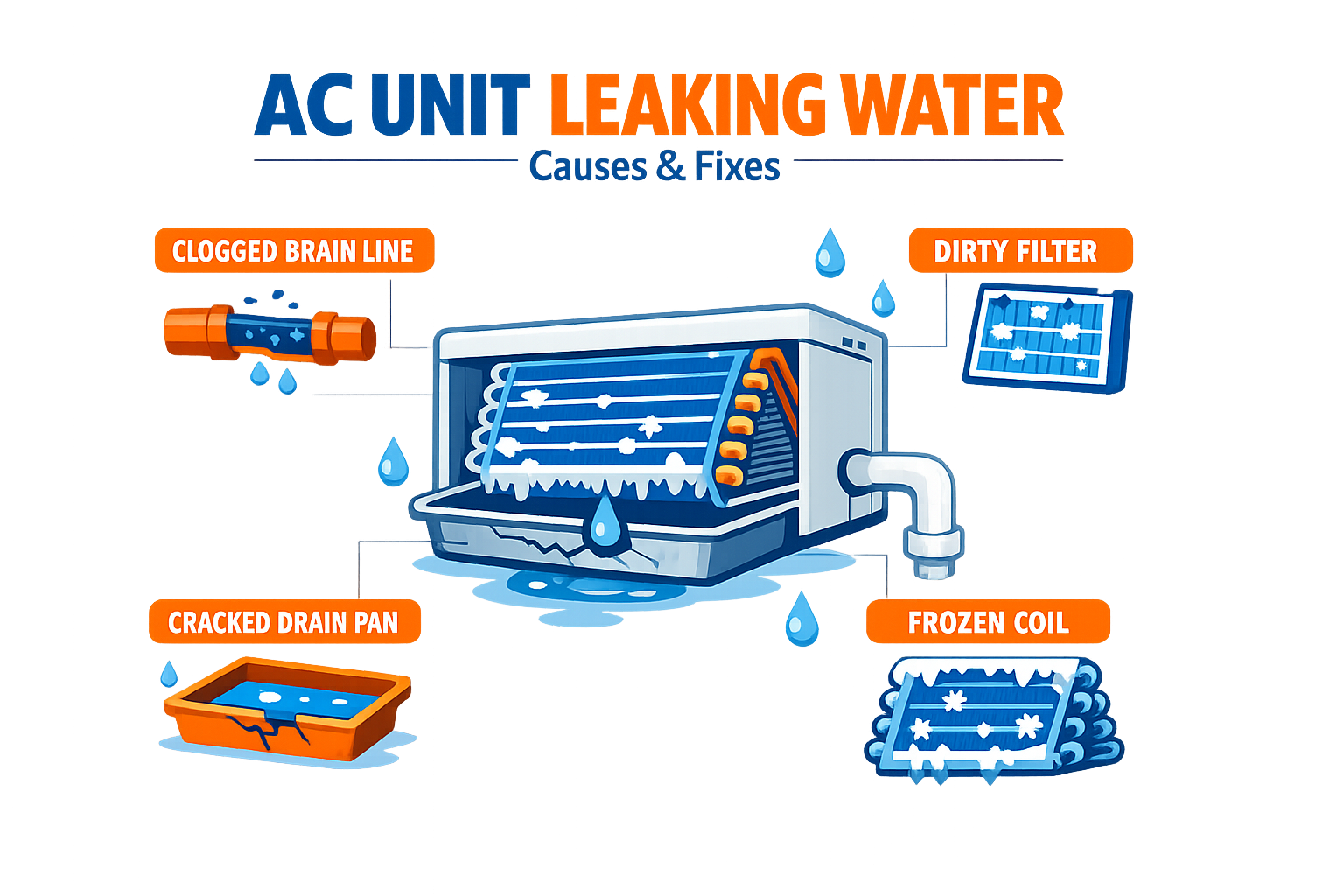
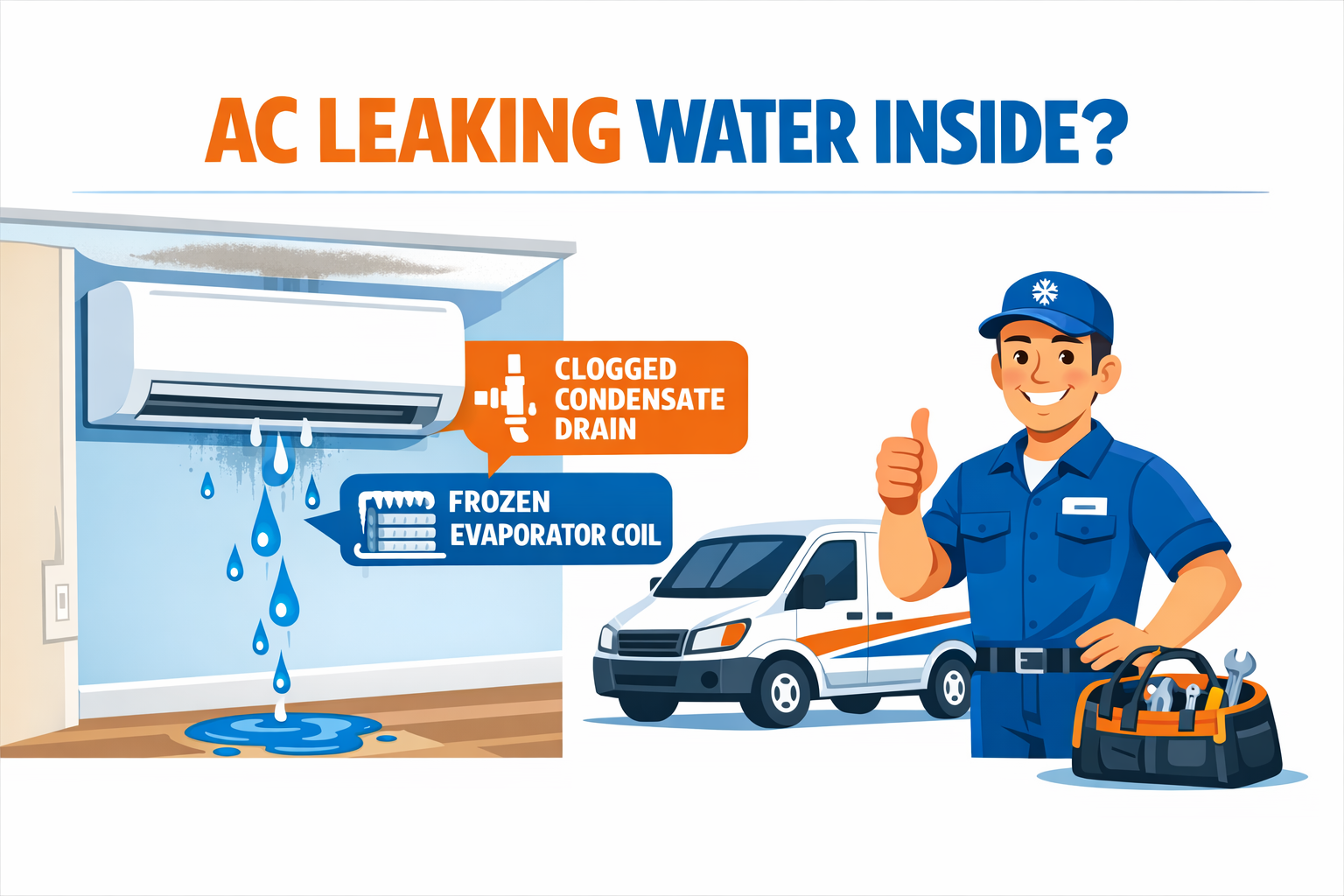
AC leaking water inside your Phoenix home can cause mold in 24–48 hours. Learn the 5 most common causes, how to DIY-clear a clogged drain, and when to shut the system off immediately.

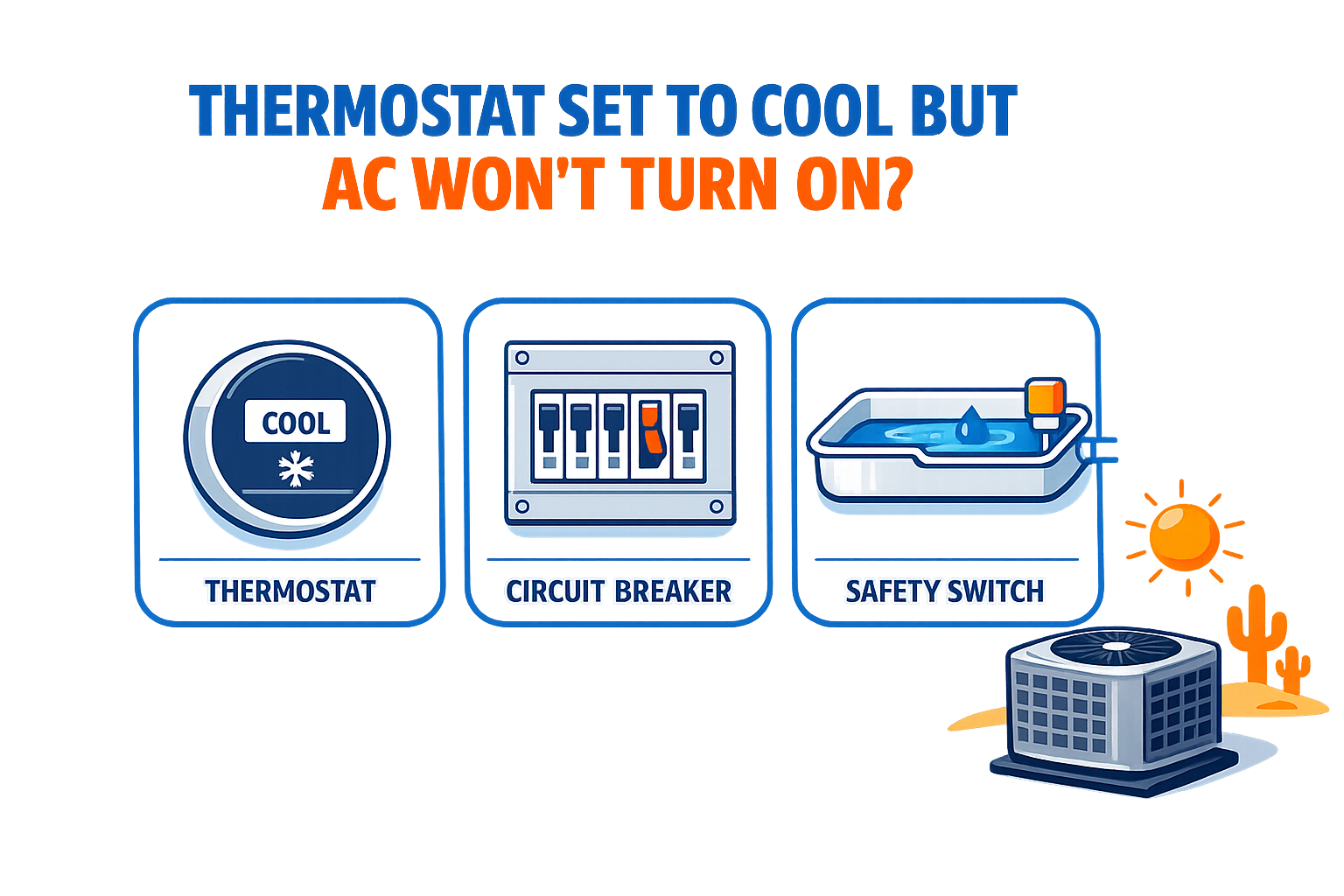
AC won’t start in Phoenix summer? Run these 5 free checks first — breaker, thermostat, disconnect, filter, condensate drain. Diagnose by symptom before calling a technician.

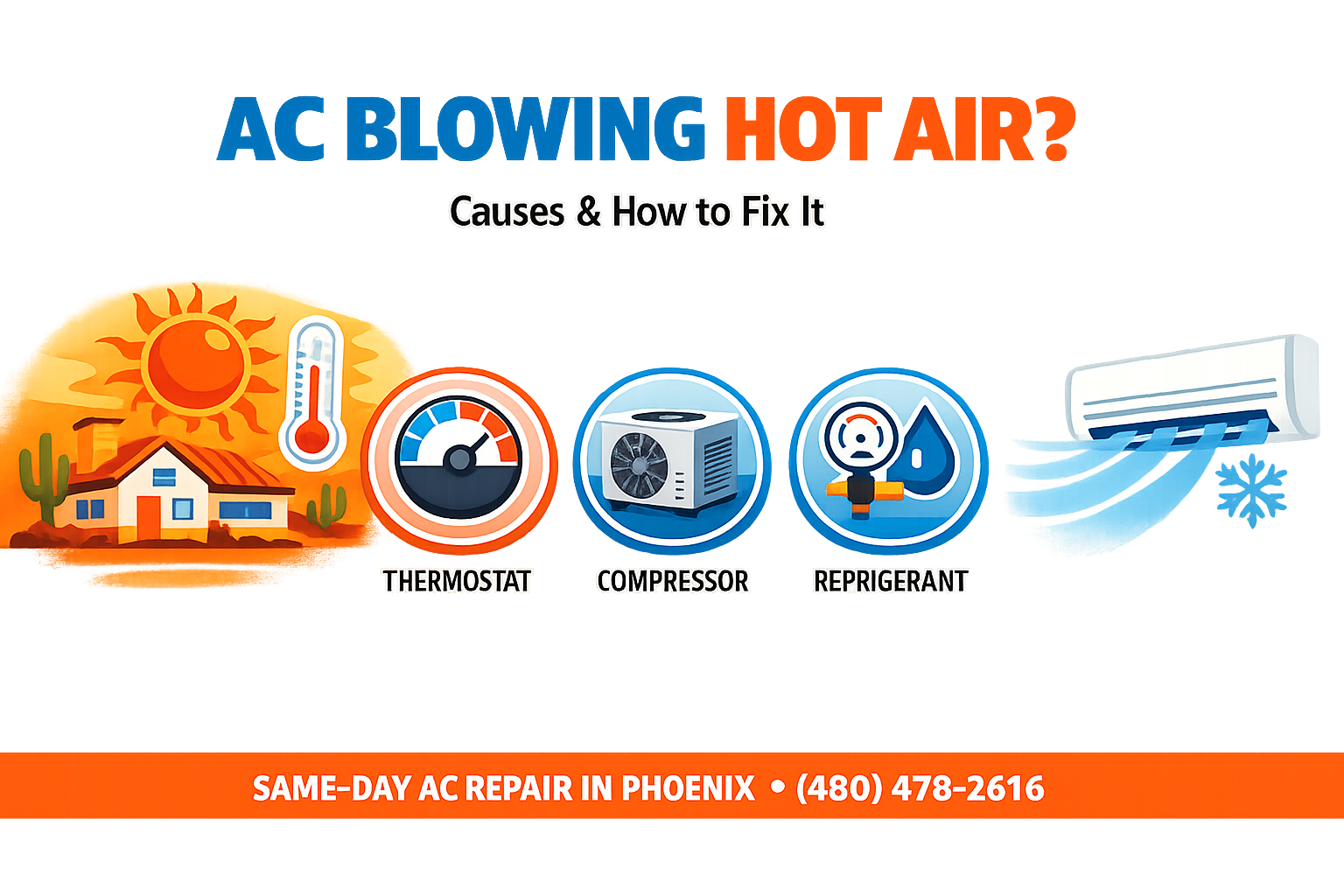
AC running but blowing warm air in Phoenix? Learn the 6 most common causes — dirty coils, low refrigerant, clogged filter, and more — with a step-by-step diagnosis guide.

Duct cleaning in Phoenix: heavily marketed, often misunderstood. Learn the specific situations where it’s necessary, when duct sealing delivers better ROI, and what to ask before hiring anyone.

Your window to prep your Phoenix AC for summer closes in April. This step-by-step guide covers the complete spring checklist, smart thermostat setup, and what to do after a haboob.

Choosing the right MERV rating for Phoenix AC matters. Too restrictive and your evaporator freezes. Too low and your air stays dusty. Complete guide for Arizona homeowners on filter ratings and change schedules.

Dirty AC coils raise energy use 10–15% and accelerate compressor failure in Phoenix heat. Learn when to DIY rinse vs. call a pro, and what signs mean your coils need cleaning now.

What should an AC tune-up include in Arizona? This complete checklist covers all 11 checkpoints — coil cleaning, capacitor testing, refrigerant check, and more — for spring and fall visits.

Considering a ductless mini-split in Phoenix? Learn when it makes sense, what it costs ($2,500–$14,000), which brands handle extreme heat, and when central AC is the better choice.

Which AC brand is best for Phoenix heat? Carrier, Trane, Lennox, Rheem, and American Standard compared on reliability, efficiency, and desert performance.

Heat pumps and central AC both cool your Phoenix home — but which is better? Direct comparison of cost, efficiency, and performance in the desert climate, including IRA tax credit differences.

A new AC system in Phoenix costs $4,500–$12,000 installed. This guide breaks down every cost factor — system size, SEER, brand, duct work, permits, rebates — so you know exactly what you’re paying for.

Phoenix AC sizing requires more than a square-footage calculator. Learn how Manual J load calculations determine the right tonnage for desert heat — and why oversized systems fail fast in Arizona.

If your air conditioner is over 10 years old and struggling to keep up with Phoenix summers, the answer is probably sooner than you think. The combination of extreme heat, hard water, and relentless dust accelerates equipment wear in ways that national averages don’t capture. Knowing when to stop repairing

A commercial ice machine that stops producing ice isn’t a minor inconvenience — it’s a revenue problem that compounds by the hour. In Phoenix, where summer temperatures regularly exceed 110°F, the thermal stress on refrigeration equipment is unlike anywhere else in the continental United States. What causes an ice machine

A walk-in cooler in a Phoenix restaurant needs professional maintenance every 90 days — not once a year. Arizona’s ambient temperatures hit 110°F+ for months at a stretch, forcing condensing units to operate 40–60% beyond their designed load. That sustained heat stress accelerates compressor failure, refrigerant pressure imbalance, and door

Complete guide to commercial AC replacement in Phoenix. Learn cost breakdown, equipment selection, and installation timeline for your Arizona business.

When your commercial AC fails mid-summer in Phoenix, every hour counts. Learn the emergency replacement process, costs, and how to minimize business disruption.

What determines commercial HVAC installation cost in Arizona? Learn labor, equipment, and hidden costs that affect your final bill for AC installation.

Everything Phoenix business owners need to know about rooftop unit replacement. Compare RTU types, understand sizing, and plan your installation timeline.

Explore financing options for commercial AC replacement in Phoenix. Compare equipment loans, leases, credit lines, and utility rebate programs for Arizona businesses.

Mesa restaurant refrigeration maintenance is the fastest, most reliable way to prevent warm-box emergencies, protect food inventory, and reduce expensive after-hours repairs—because most “sudden failures” start as small airflow, coil, or electrical issues you can catch early. Mesa heat, rooftop exposure, dust, and kitchen grease create perfect conditions for refrigeration

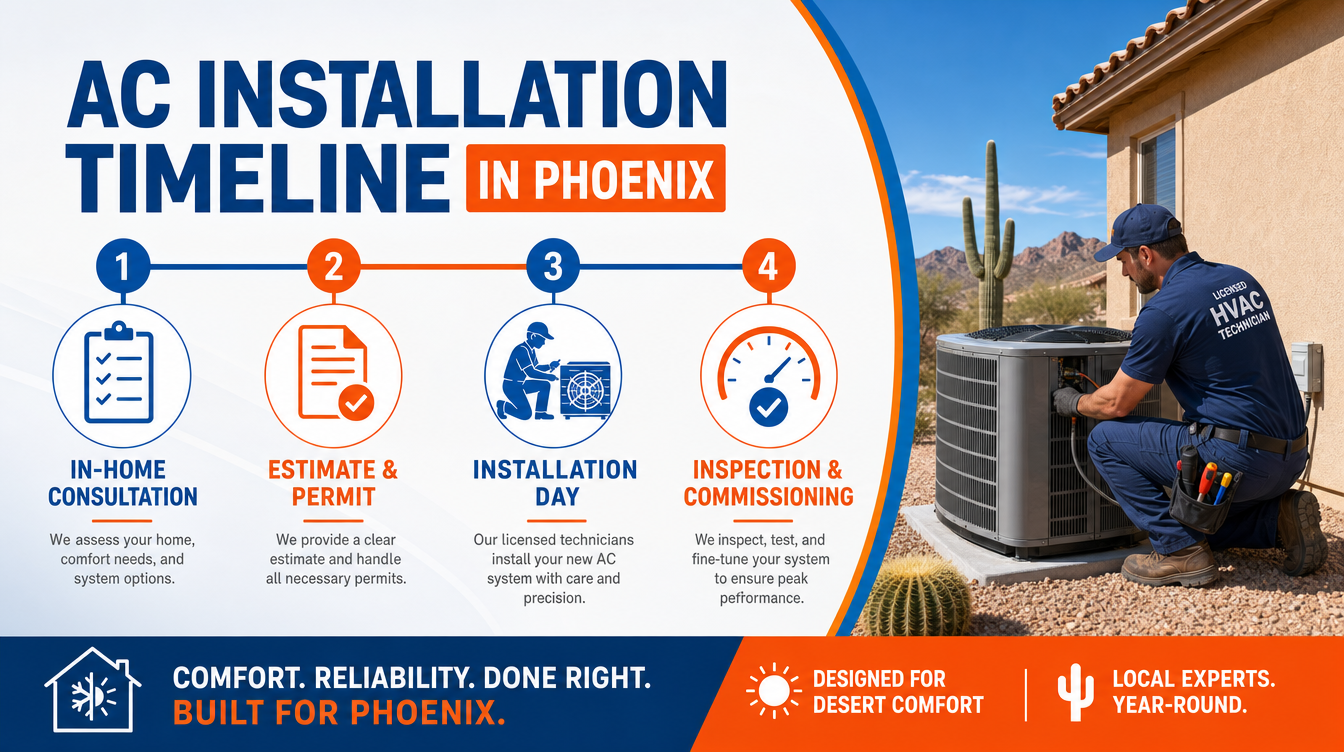
AC installation in Phoenix, AZ is won or lost on the details: correct sizing, airflow, and proper commissioning—not just the brand name on the condenser. If you get these five considerations right, you’ll see steadier comfort, fewer breakdowns, and better long-term efficiency. Phoenix heat is relentless, and a system that’s

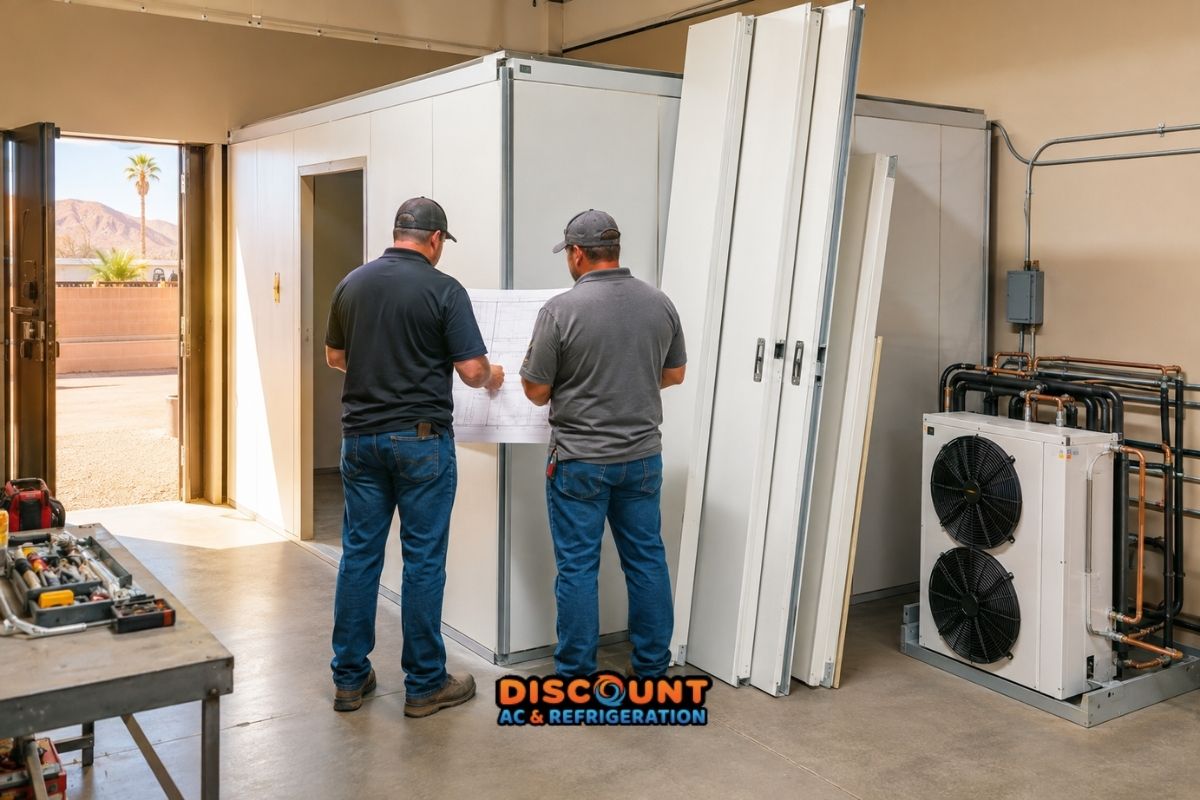
Commercial refrigeration installation in Phoenix is about building a system that can handle Arizona heat: correct capacity, strong airflow, proper electrical, tight box sealing, and commissioning that confirms performance before you stock product. Phoenix kitchens and commercial facilities push refrigeration equipment harder than many markets. High ambient temperatures, rooftop exposure,

Root cause: In Phoenix, most “my AC isn’t working” situations come down to one of three failures: restricted airflow, poor heat transfer from dirty coils, or electrical parts that can’t handle long runtime in 110°F heat. A real diagnostic proves which one it is by measuring Delta T, static pressure,

Root cause: Most “AC services near me” calls in Phoenix come down to three stress points: restricted airflow, poor heat transfer (dirty coils), or electrical components that can’t handle long summer runtimes. The right service starts by measuring Delta T, static pressure, and system pressures so we fix the cause—not

Root cause: Most bad installs in Phoenix fail for one reason: the system doesn’t match the home’s heat load and duct airflow, so head pressure climbs, Delta T drops, and parts like capacitors, contactors, and compressors take the hit. Proper sizing, airflow verification, and commissioning fix that. Your AC didn’t

Root cause: Most “sudden” AC breakdowns in Phoenix come from preventable heat stress—dirty coils driving head pressure up, weak capacitors and contactors failing under load, and airflow restrictions crushing Delta T until the system can’t keep up. I get the call all the time.“It was working yesterday.” Phoenix heat doesn’t

In Phoenix, a kitchen exhaust hood isn’t only for smells. It’s a practical way to remove heat, grease particles, and moisture so your home stays comfortable and your air conditioner isn’t stuck fighting the extra load. For most homes, a ducted range hood vented outdoors performs best. Ductless models can

Local air conditioning replacement in Chandler means removing an aging cooling system and installing a properly sized, matched new setup for Arizona run-times. A complete replacement typically includes setting new outdoor and indoor equipment, verifying electrical and refrigerant-line compatibility, confirming airflow and duct performance, connecting and configuring the thermostat, and

Air conditioning replacement in Cave Creek, AZ involves completely removing your failing outdoor condenser and indoor air handler, then installing a properly sized, high-efficiency system. We evaluate your home’s heat load, ductwork static pressure, and electrical setup before recommending new equipment. When continuous repairs cost more than 50% of the

Preparing your cooling system for the intense Arizona summer ensures lower energy waste, steadier indoor comfort, and significantly fewer mid-July breakdown surprises. Given that Phoenix units run nearly double the national average hours, proactive care is the only way to survive the heat. At Discount AC & Refrigeration, our licensed

Root cause: Central AC Replacement Near Me fails to perform because the system is oversized or undersized for the home’s heat load and duct airflow, not because of brand or efficiency rating. The AC didn’t suddenly stop working.It slowly stopped working well. In Gilbert, I see this every season. A

Root cause: AC and Furnace Replacement Near Me makes sense when both systems are aging, mismatched, or straining airflow and electrical components; matched systems run cleaner, last longer, and handle Arizona heat with less stress. The AC struggles in summer.The furnace feels weak in winter.Airflow never feels balanced. In Gilbert

Root cause: ac repair gilbert az often becomes a recurring necessity when aging systems can no longer handle the extreme Arizona heat load, making a high-efficiency upgrade the most cost-effective long-term solution. The decision to keep repairing an old unit or investing in a new system is critical for homeowners

Root cause: AC Replacement Near Me in Gilbert is often driven by a combination of Arizona’s extreme heat loads, system age exceeding 10–12 years, and the diminishing returns of maintaining outdated R-22 refrigerant units. In the East Valley, where summer temperatures regularly hit 115°F, your air conditioner isn’t just a

When the Arizona summer sun beats down on Gilbert, your home’s air conditioning is more than a luxury; it is your family’s safety net. If your unit is struggling to keep up, blowing warm air, or making ominous grinding sounds, you’ve likely started searching for “AC replacement near me in

Root cause: AC Replacement Near Me in Gilbert costs vary because heat load, system efficiency, duct condition, and installation requirements determine price—not just the brand name on the unit. If your AC failed during a 110° day, you’re not shopping. You’re reacting. I see this every summer. Homeowners want one

When the Arizona heat intensifies, having a functional cooling system isn’t just a luxury—it’s a necessity. If you are searching for AC Replacement Near Me in Gilbert, AZ, you likely find yourself at a crossroads: should you invest in another repair or is it time for a full system upgrade?

Selecting an HVAC contractor near me is the most critical decision a homeowner in Arizona can make to ensure long-term comfort and system reliability. In a desert environment where cooling systems operate under extreme thermal stress, technical expertise is not optional—it is a requirement. A properly vetted contractor ensures that

AC repair Paradise Valley is a paramount service for homeowners who value indoor air quality and consistent thermal comfort in one of Arizona’s most prestigious communities. In the heart of the Sonoran Desert, a functional air conditioner is not just a luxury—it is a safety requirement for every household. Residents
Contact us today and leave your details. Our team will provide expert recommendations and tailored cooling or refrigeration solutions for your home or business.
Contact Information
Contact Number