Phoenix heat pumps often reveal heating problems in October, not during the coldest part of winter. The reason is simple: the system has spent months operating in cooling mode, while heating-specific controls and components have remained inactive. The first cool morning becomes the first real test of the season.
Professional heat pump maintenance service before that transition can identify some of these concerns early. It cannot prevent every failure, but it can verify the heating sequence, document system condition, and separate a thermostat issue from a mechanical, electrical, airflow, or control problem.
The Phoenix Seasonal Pattern
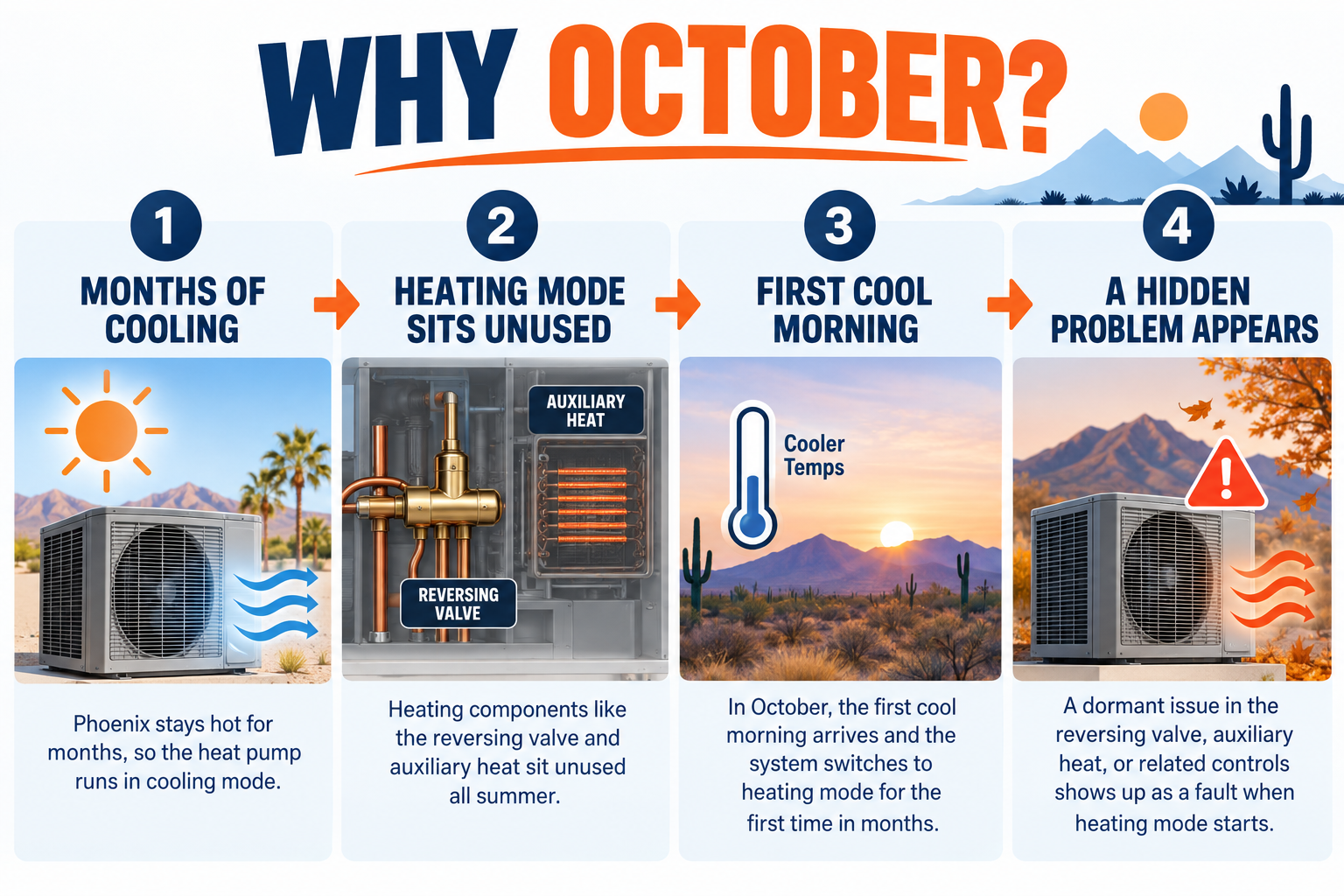
From late spring through early fall, a Valley heat pump may operate almost entirely as an air conditioner. The thermostat calls for cooling, the outdoor unit rejects heat, and the system repeats that cycle through high daytime temperatures. When overnight temperatures finally drop, the thermostat requests heating for the first time in months.
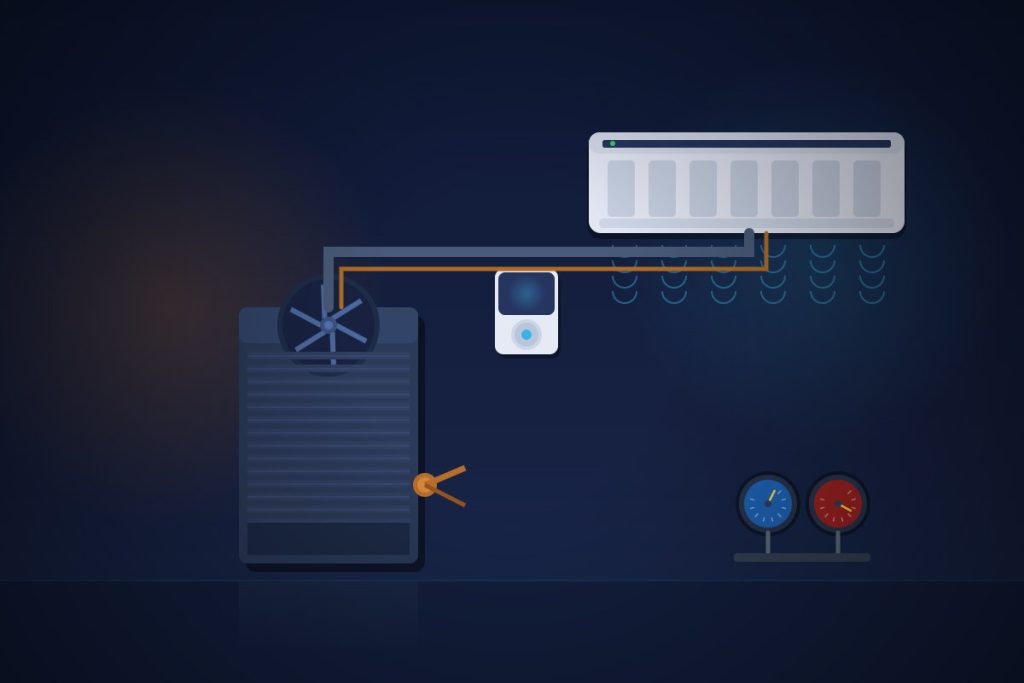
Cooling success does not prove that the equipment will change modes correctly. A heat pump uses the same major system but relies on additional operating logic and a different refrigerant-flow direction to heat the home.
Five Concerns That Can Appear During the First Heating Call
1. The thermostat is not configured for the equipment
A replacement thermostat, changed setting, lost programming, or wiring concern can affect how the heat pump and auxiliary stages respond. The display may show a heating call even when the equipment does not receive the correct command.
2. The reversing operation does not complete
The reversing valve changes the direction of refrigerant flow. A control, coil, electrical, or mechanical concern can prevent the expected transition. Diagnosis requires trained service because other failures can create similar symptoms.
3. Auxiliary heat does not stage correctly
Some systems use electric auxiliary heat to support heating under specific conditions. A failed stage, control problem, or incorrect thermostat configuration may reduce comfort. The opposite problem—auxiliary heat operating unnecessarily—can increase energy use.
4. Airflow is already restricted
A loaded filter, blower problem, dirty indoor coil, closed registers, or duct restriction affects both heating and cooling. The first heating call may make the concern more noticeable because supply-air expectations change.
5. An electrical component weakened during summer
Long cooling cycles place repeated demand on contactors, capacitors, motors, wiring, and terminals. A component that barely completed the cooling season may fail when the system changes operating conditions. Electrical panels can contain dangerous voltage and should only be opened by trained personnel.
What Homeowners Can Safely Observe
- Confirm the thermostat is set to HEAT and the setpoint is above room temperature.
- Allow the system time to respond according to the thermostat and equipment instructions.
- Note whether air begins moving and whether it feels different after several minutes.
- Listen for repeated clicking, buzzing, grinding, or very short cycles.
- Record any thermostat message, error code, or extended auxiliary-heat indication.
- Check that the filter is installed correctly and is not visibly loaded.
Do not open equipment panels, bypass controls, touch electrical parts, force the reversing valve, or add refrigerant. Report observations when scheduling service.
Why Fall Maintenance Helps
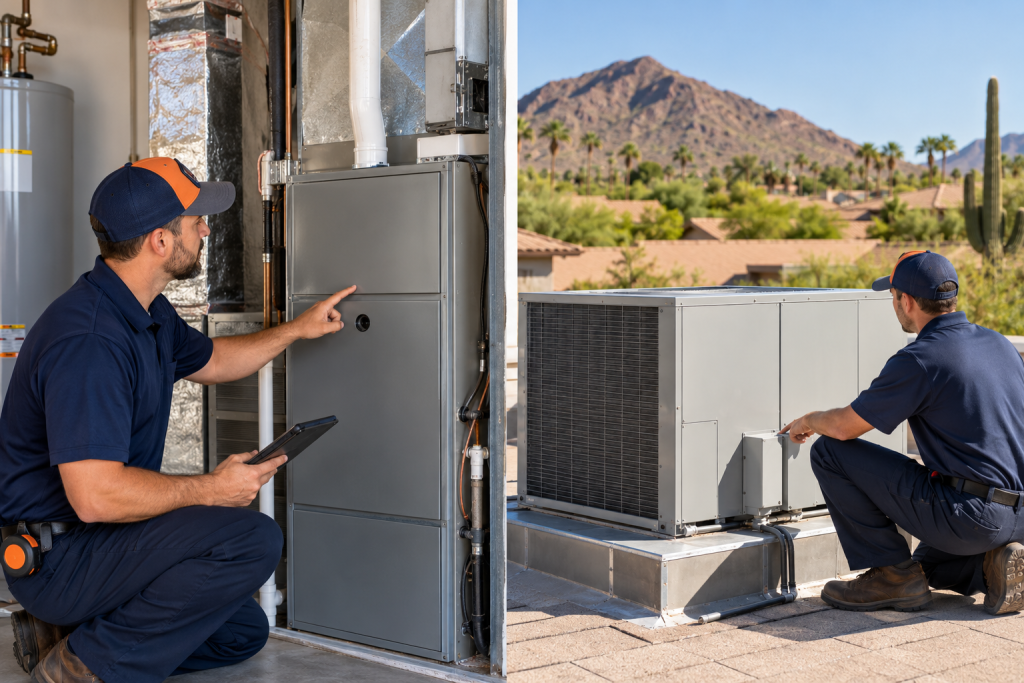
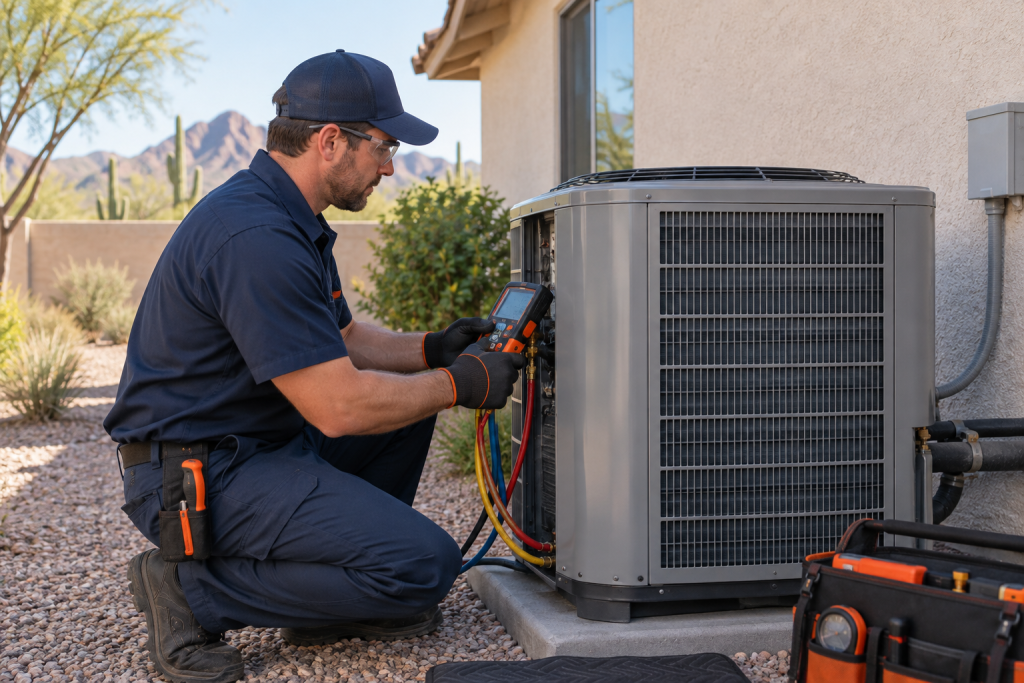
A fall appointment creates an opportunity to test the heating sequence before the home depends on it. The technician can review thermostat operation, airflow, electrical condition, outdoor coil condition, mode change, and applicable defrost or auxiliary-heat controls. If a repair is needed, it should be documented separately from routine maintenance.
This timing also helps homeowners understand their equipment. Many Valley residents use the word “furnace” even though the home has a heat pump. Knowing the system type improves thermostat use and makes service requests more precise.
When to Request Heat Pump Repair
Schedule a diagnostic visit if the system does not heat, trips a breaker, produces an electrical odor, makes a new mechanical sound, or cannot maintain the selected temperature. Turn the equipment off and seek professional guidance when there is an electrical safety concern. A normal maintenance visit should not be used to disguise an active failure.
Discount AC & Refrigeration provides heat pump service and repair and HVAC diagnostics throughout the Phoenix metro area.
Frequently Asked Questions
Why can a heat pump cool normally but not heat?
Heating mode uses different controls and reverses refrigerant flow. A thermostat, reversing, auxiliary-heat, electrical, or airflow problem may remain hidden during cooling season.
Is a cool draft proof the heat pump is broken?
Not by itself. Heat-pump supply air can feel different from furnace air. Measure comfort over time and request diagnosis if the system cannot maintain temperature.
Should I use emergency heat?
Follow the thermostat and equipment instructions. Emergency heat is not a routine substitute for diagnosing a failed heat-pump mode.
When should heating mode be tested?
Fall is a practical time, before the first cold morning. A technician should follow manufacturer procedures and account for current outdoor conditions.
Prepare Before the First Cool Morning
Call (480) 478-2616 or request service online to schedule heat pump maintenance or describe an active heating concern.