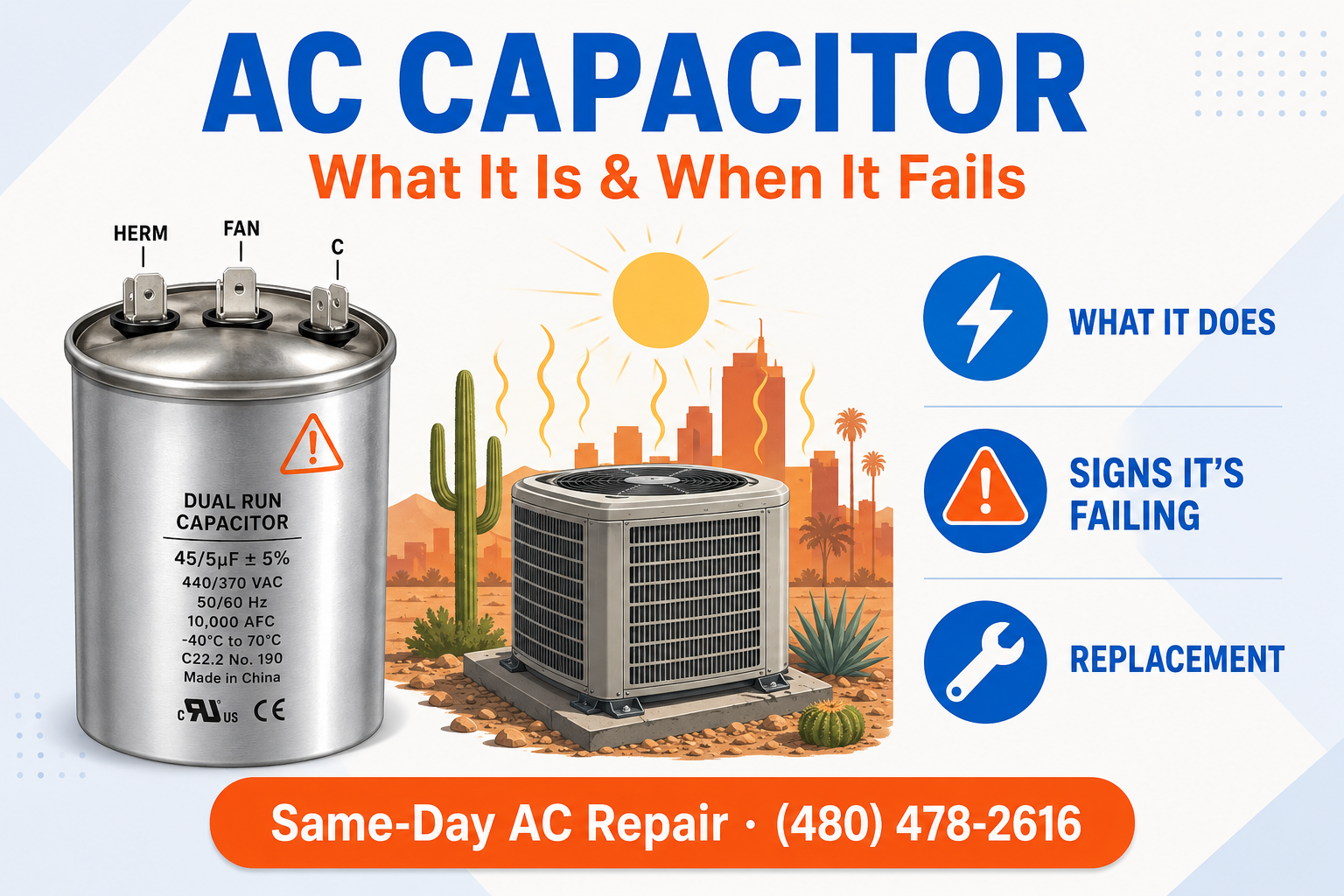
AC Capacitor Replacement Cost in Phoenix (2026)
AC capacitor replacement cost in Phoenix: compare parts, labor and diagnostic fees, see price ranges, and learn what to ask before approving a repair.

AC capacitor replacement cost in Phoenix: compare parts, labor and diagnostic fees, see price ranges, and learn what to ask before approving a repair.
If your air conditioner clicks, hums, and then does nothing on a 110°F Phoenix afternoon, there’s a good chance a small part the size of a soda can is the reason. The AC capacitor is one of the most common failure points in a home cooling system—and one of the
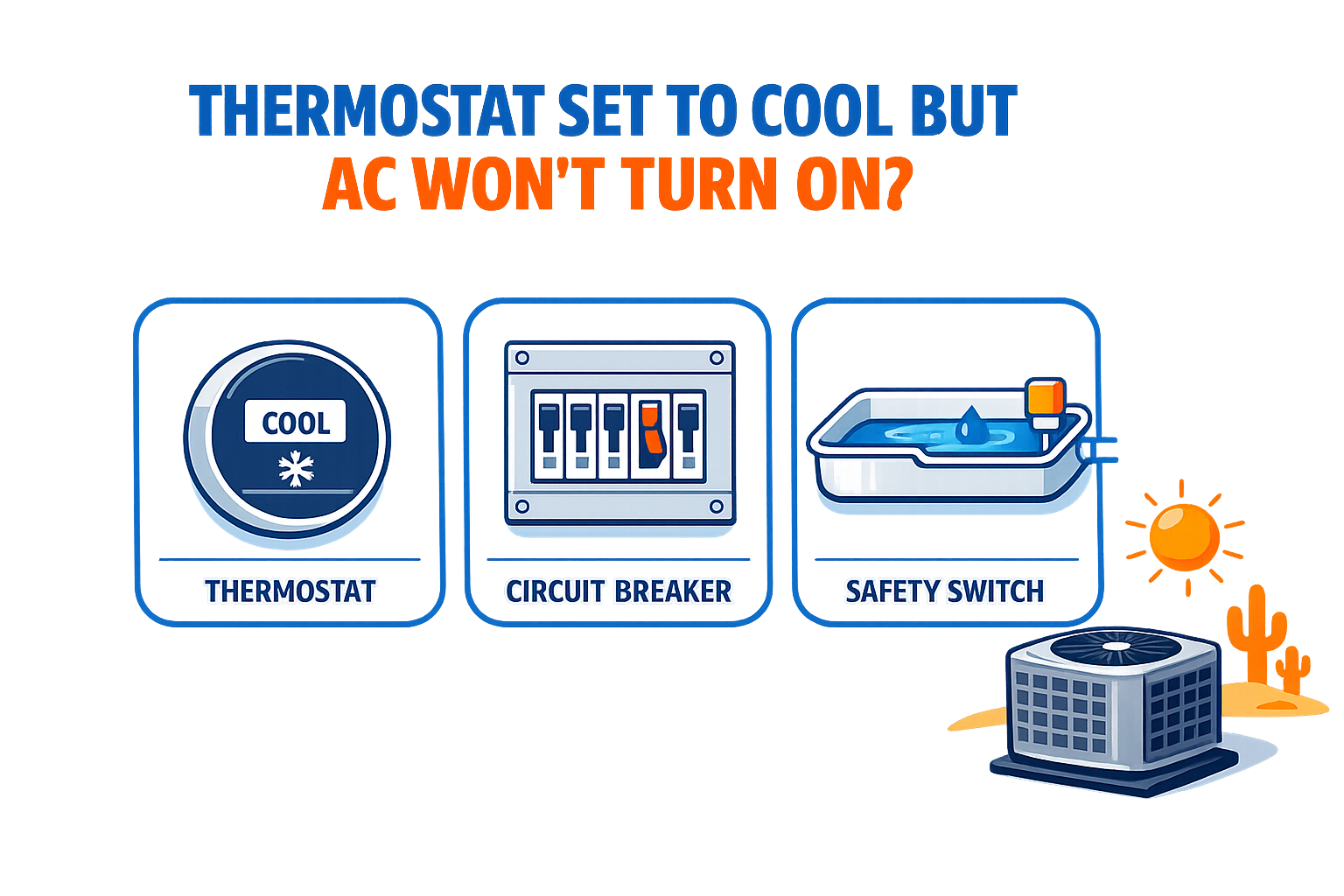
Root cause: when your thermostat is set to cool but the AC is not turning on, the problem is almost always upstream of the air conditioner itself — a thermostat that has lost power or programming, a tripped breaker or blown fuse cutting electricity to the system, or a condensate
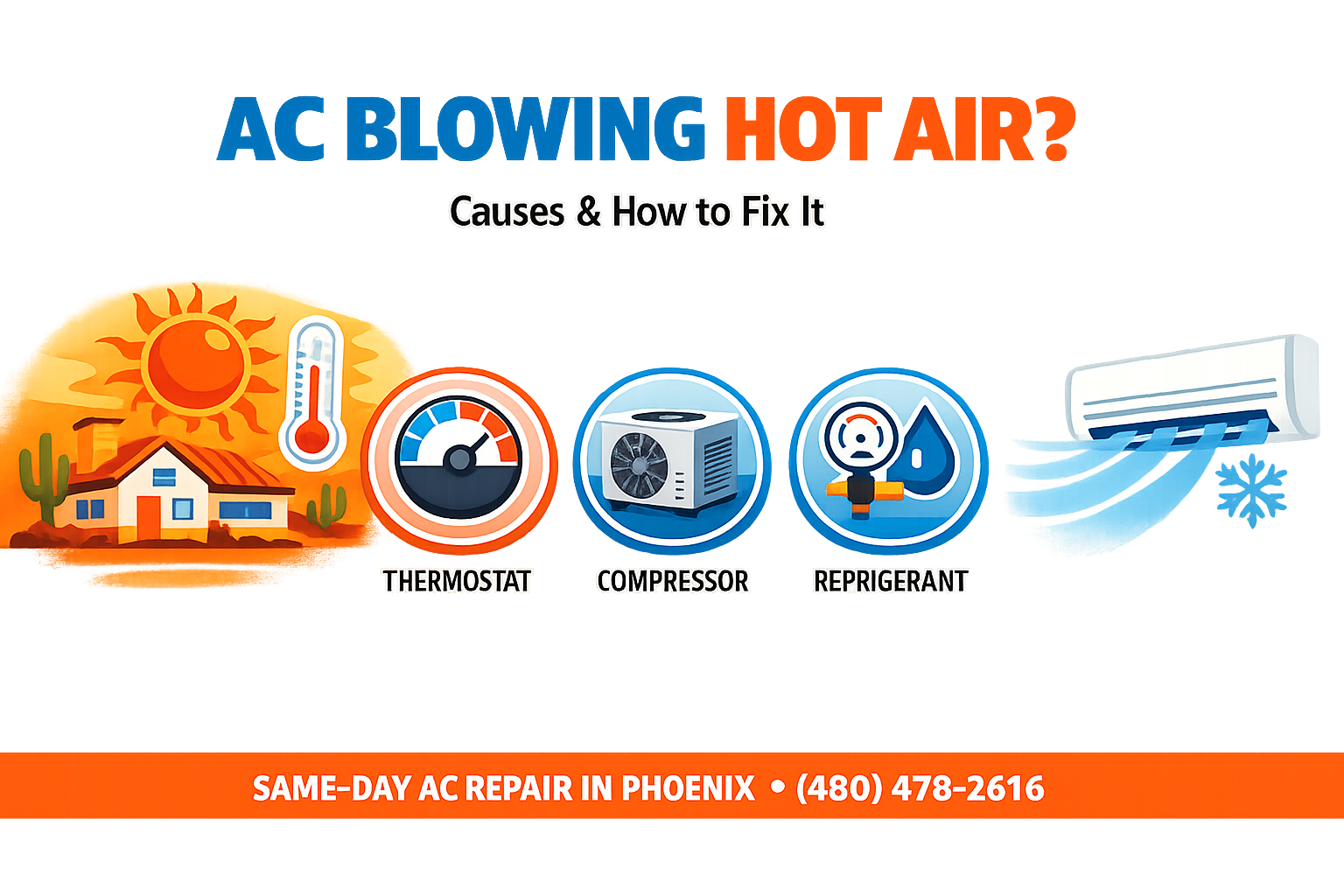
An AC blowing hot air usually comes down to one of three things: a thermostat set the wrong way, an electrical or compressor fault, or low refrigerant from a leak. Some causes take five minutes to fix yourself; the rest need a licensed technician. Here’s how to tell them apart
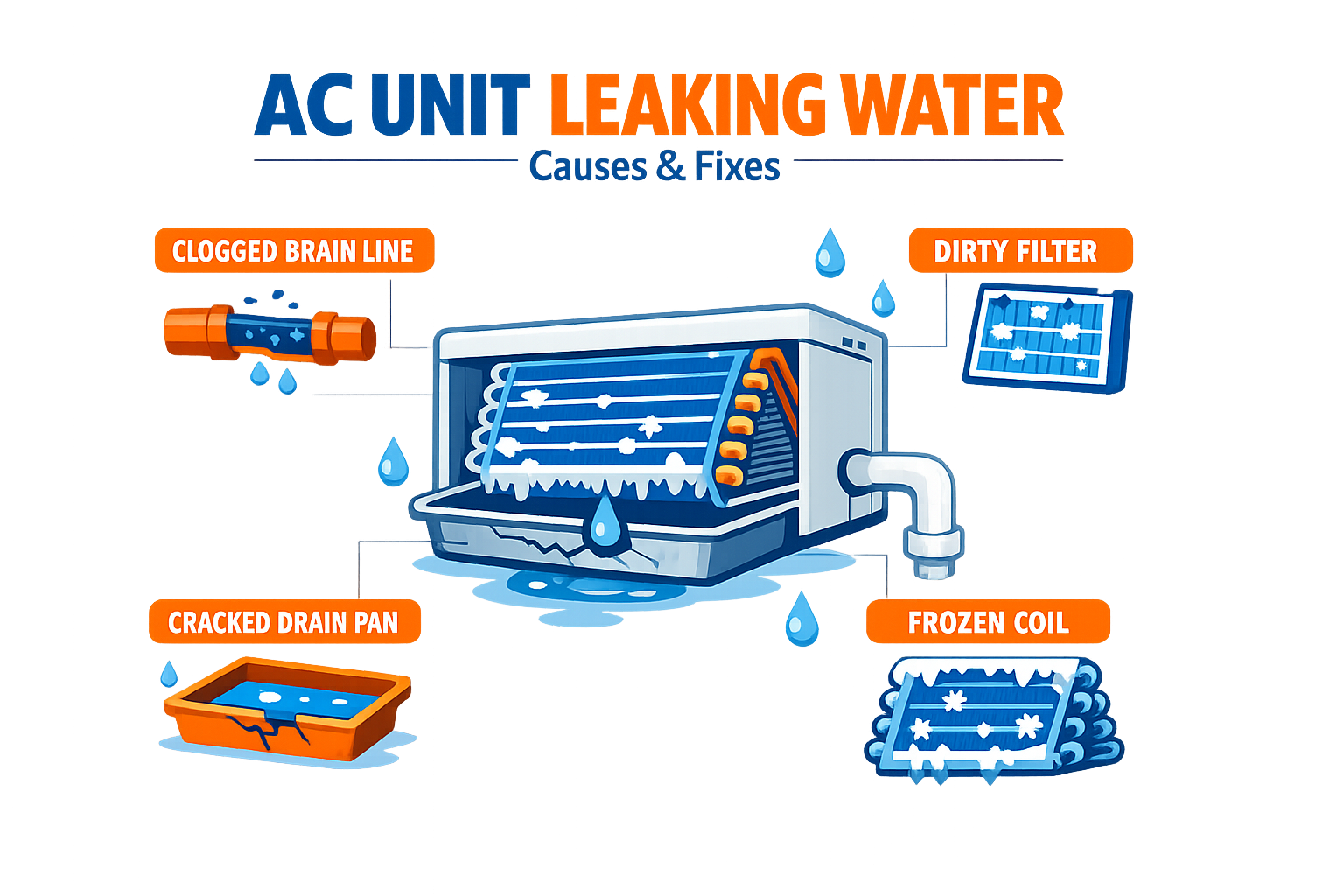
Quick answer: an AC unit leaking water is almost always a drainage problem — a clogged condensate drain line, a full or cracked drain pan, or a frozen coil that’s now melting — not a refrigerant leak. In Arizona’s heat, your system pulls gallons of moisture out of the air
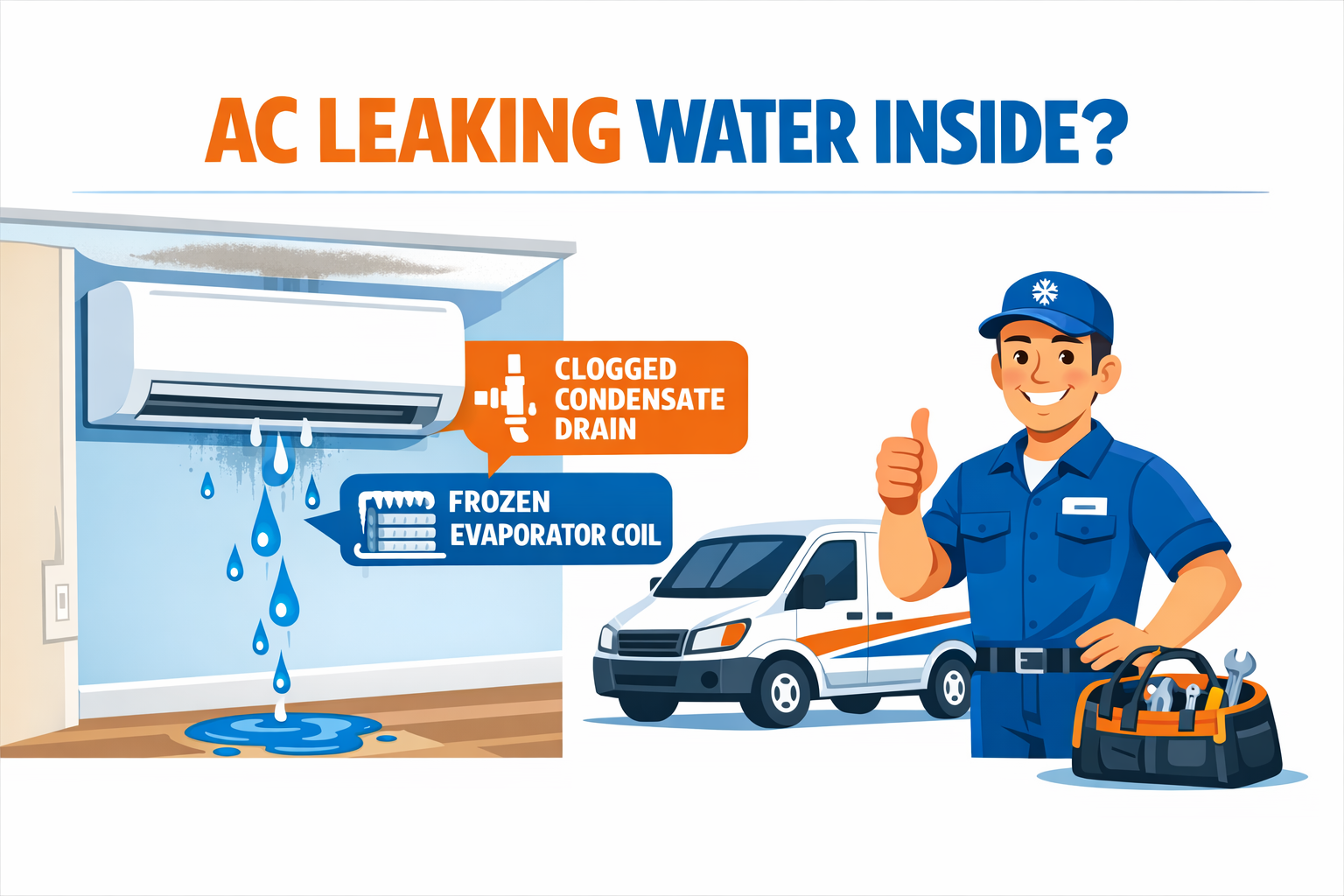
Is your AC leaking water inside your Gilbert home? See the top causes, the damage risk, and how our licensed techs fix it fast.
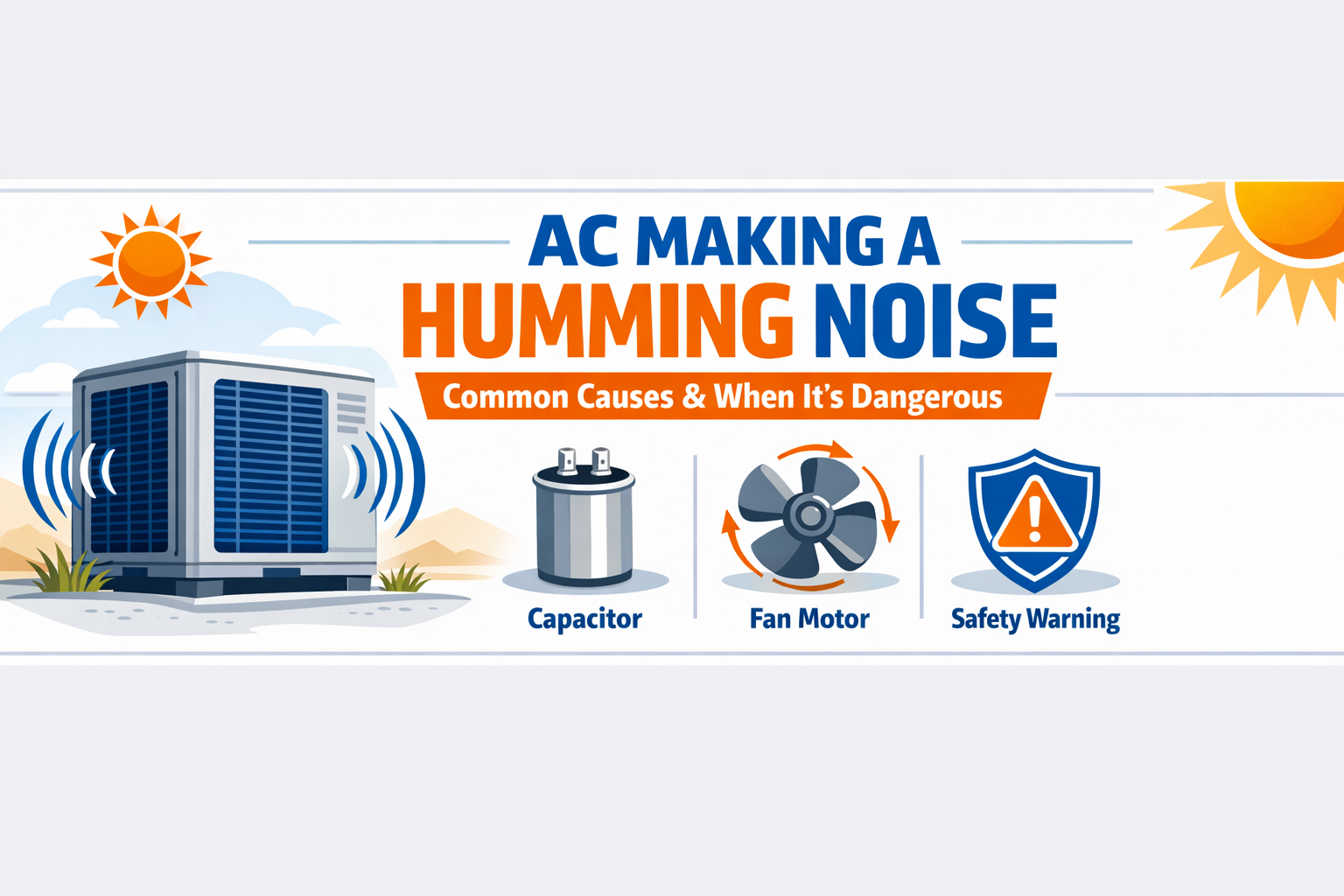
An AC making a humming noise inside the house may have an indoor blower, airflow or control problem; a hum at the outdoor unit may involve the fan, capacitor or compressor. The sound alone cannot identify the failed part. Note where it comes from, whether air is moving and whether
Root cause: an ac unit making loud noise almost always means a specific mechanical or electrical part is failing — and the exact sound it makes (buzzing, rattling, squealing, or hissing) tells our technicians which part, how urgent it is, and whether the fix is a quick repair or a
Root cause: AC Not Cooling from a frozen refrigerant line almost always comes down to one of two things — restricted airflow across the evaporator coil or a low refrigerant charge. Either condition drops the coil below 32°F, humidity in the air freezes on contact, and ice spreads down the
Root cause: an ac frozen problem happens when the evaporator coil temperature drops below freezing — almost always from restricted airflow, low refrigerant, or a dirty coil — and in Arizona it’s made worse by desert dust, attics that top 130°F, and the extreme heat loads of 110–115°F summers. When
AC running but not cooling in Gilbert? The top causes, safe checks, and when to call a licensed pro.
AC running but not cooling? Check that the thermostat is set to Cool, inspect the air filter, and make sure supply vents and return grilles are unobstructed. If those checks do not explain the problem, restricted airflow, a dirty coil, a refrigerant issue, or an electrical fault may require professional
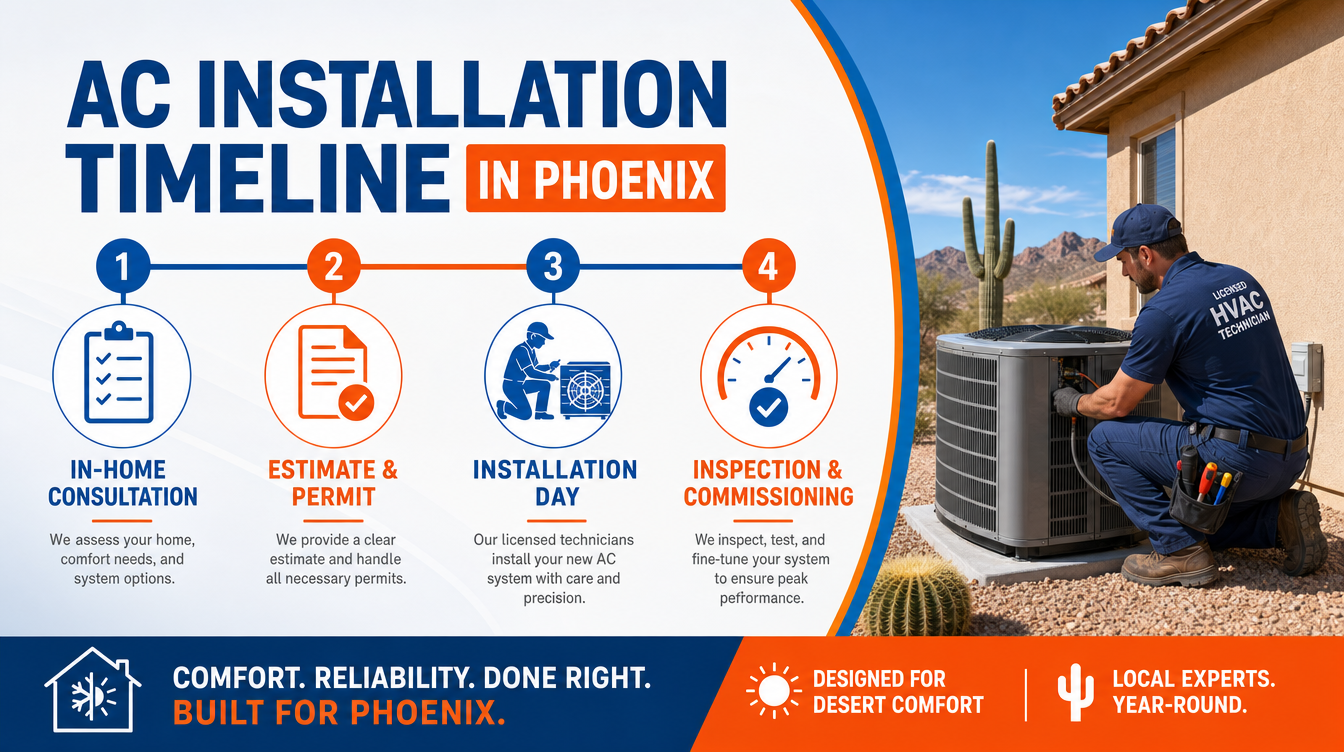
Root cause: the AC installation process Phoenix homeowners go through follows a predictable sequence — but how long each stage takes depends on permit turnaround, equipment availability, ductwork condition, and how booked installers are during peak summer demand. If your air conditioner is on its last legs heading into another
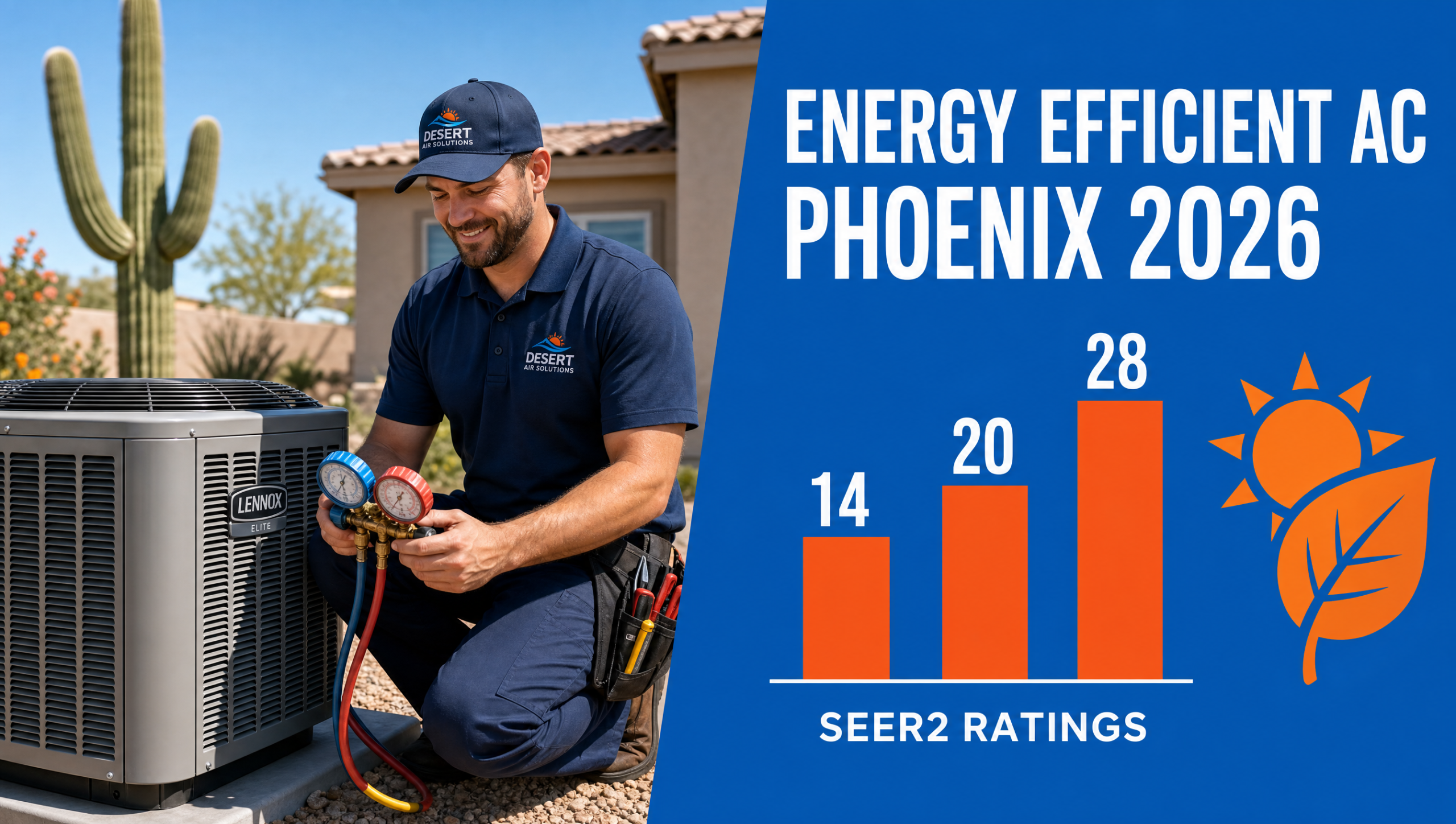
If your electric bill jumps past $400 in July while a 12-year-old condenser runs nonstop against 115°F heat, the unit isn’t broken — it’s obsolete. The fastest payback for an energy efficient AC Phoenix 2026 upgrade is a high-SEER2 system sized correctly for desert heat loads. This guide breaks down

Root cause: the clearest signs you need a new AC in Phoenix show up when a system can no longer keep pace with the desert heat load — aging components, low SEER2 efficiency, failing compressors, and outdated refrigerant all push an old unit past the point where another repair makes
Root cause: AC financing Phoenix decisions vary because your total cost depends on system size, SEER2 efficiency, the condition of your ductwork, and the lender terms you actually qualify for — not a single sticker price you see in an ad. It usually starts on the worst possible day. The
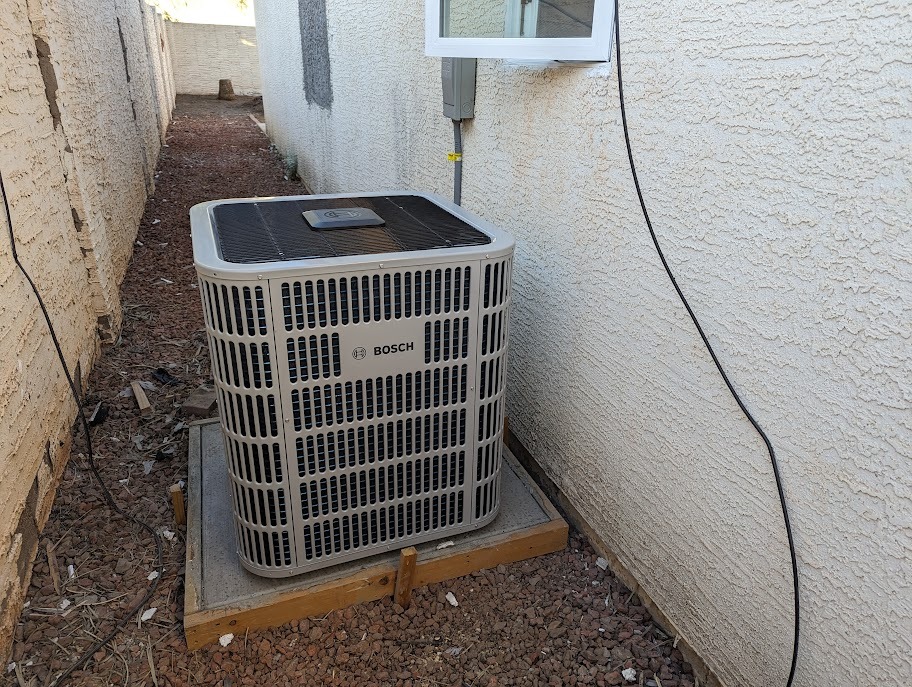
Compare AC installation quotes in Phoenix: equipment, included work, exclusions, warranties and payment terms. Know what to ask before choosing.

Planning a new AC installation in Phoenix? Learn costs, system sizing, SEER2 ratings, and what to ask your contractor before signing anything.

Heat pump vs furnace — which heating system saves more in Arizona? Our licensed HVAC team in Gilbert explains costs, efficiency, and what’s right for your home.
Learn how AC controls humidity in your Arizona home or business. Our licensed Gilbert HVAC technicians explain the science, warning signs, and solutions before monsoon season hits.
Learn how air conditioning works step-by-step. Components, refrigerant cycle, and Arizona-specific tips from licensed HVAC pros.
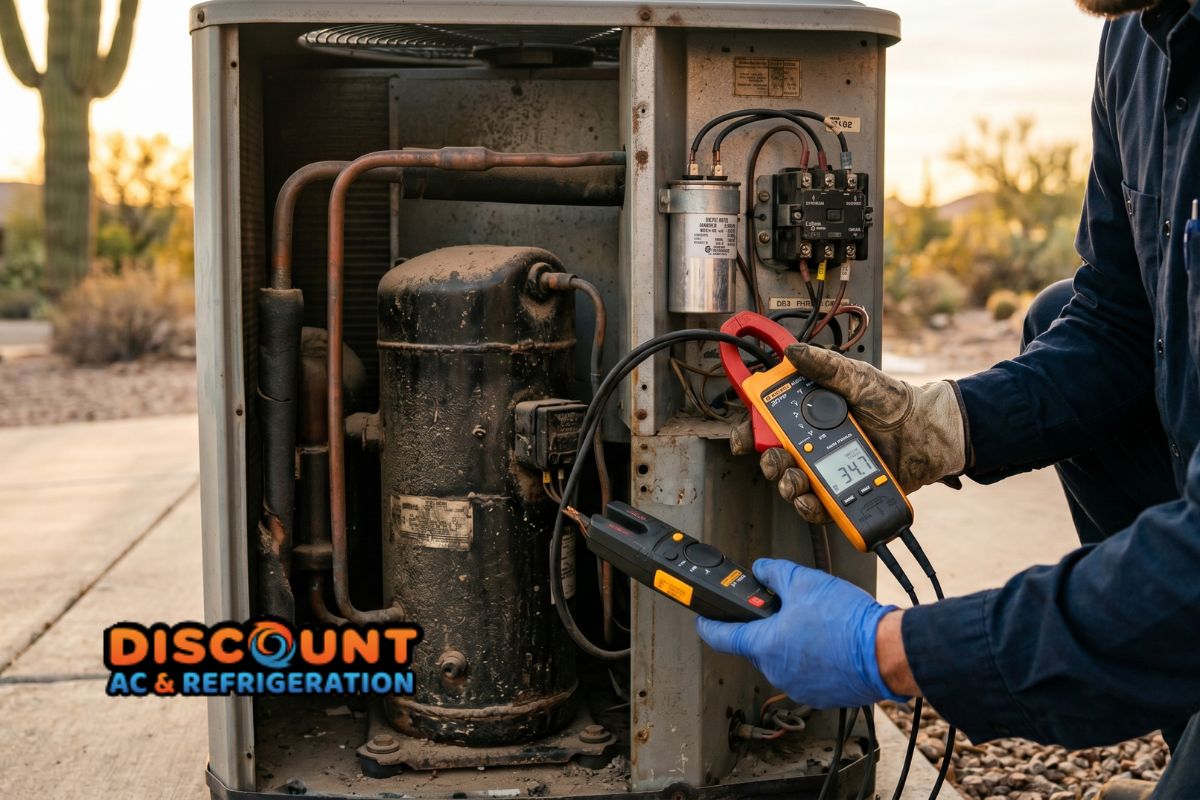
AC compressor repair decisions depend on the compressor’s age, refrigerant type, electrical condition, and how long the system ran under stress before symptoms appeared — especially in Arizona, where 110–115°F summers push compressors to their absolute limit. If your home feels warm even when the thermostat says “cooling,” or you
In Phoenix, a properly functioning AC system running efficiently should cost $150–$250/month in electricity during peak summer — if you’re paying significantly more, your system has an efficiency problem that’s costing you $300–$800+ per year in preventable utility costs. Here’s how to identify the exact cause and fix it. Discount
In Arizona, AC units typically last 12–18 years — compared to the national average of 15–20 years — because our extreme heat accelerates component wear significantly. The honest answer varies by brand, maintenance history, and how hard your system works. After 20 years working on Phoenix-area HVAC systems, here’s what

An AC tune-up and a full AC service are not the same thing — and in Phoenix’s extreme climate, choosing the wrong option can leave critical problems undetected before summer heat arrives. Here’s the honest breakdown of what each includes, what each costs, and how to choose based on your

The best SEER2 rating for an Arizona home depends on the installed-price difference, expected cooling use and the condition of the whole system. Compare a compliant entry-level option with higher-efficiency proposals, such as 16 and 18 SEER2, before paying for a premium model. There is no single rating that guarantees
When your AC fails in Phoenix during summer, indoor temperatures can exceed 100°F within 3–4 hours — creating a genuine health emergency for elderly residents, children, and pets. Knowing exactly what to do in the first 30 minutes after an AC failure can protect your family and your equipment while
When your AC is running but your house isn’t cooling, the problem is usually one of eight specific failures — most of which a licensed technician can diagnose and fix the same day. In Phoenix, where indoor temperatures can reach dangerous levels within hours of an AC failure, knowing the
When Should You Replace Your AC in Phoenix? Most central air conditioning systems in Phoenix last 12 to 15 years before replacement becomes more cost-effective than continued repairs. With summer temperatures regularly exceeding 115°F in the Valley, your AC works harder than units in almost any other U.S. city —

In Phoenix, AC systems should be professionally serviced at least once a year — ideally in early spring before the brutal summer heat arrives. With temperatures regularly exceeding 110°F, your air conditioner works harder here than nearly anywhere else in the country. That extra strain accelerates wear, reduces efficiency, and
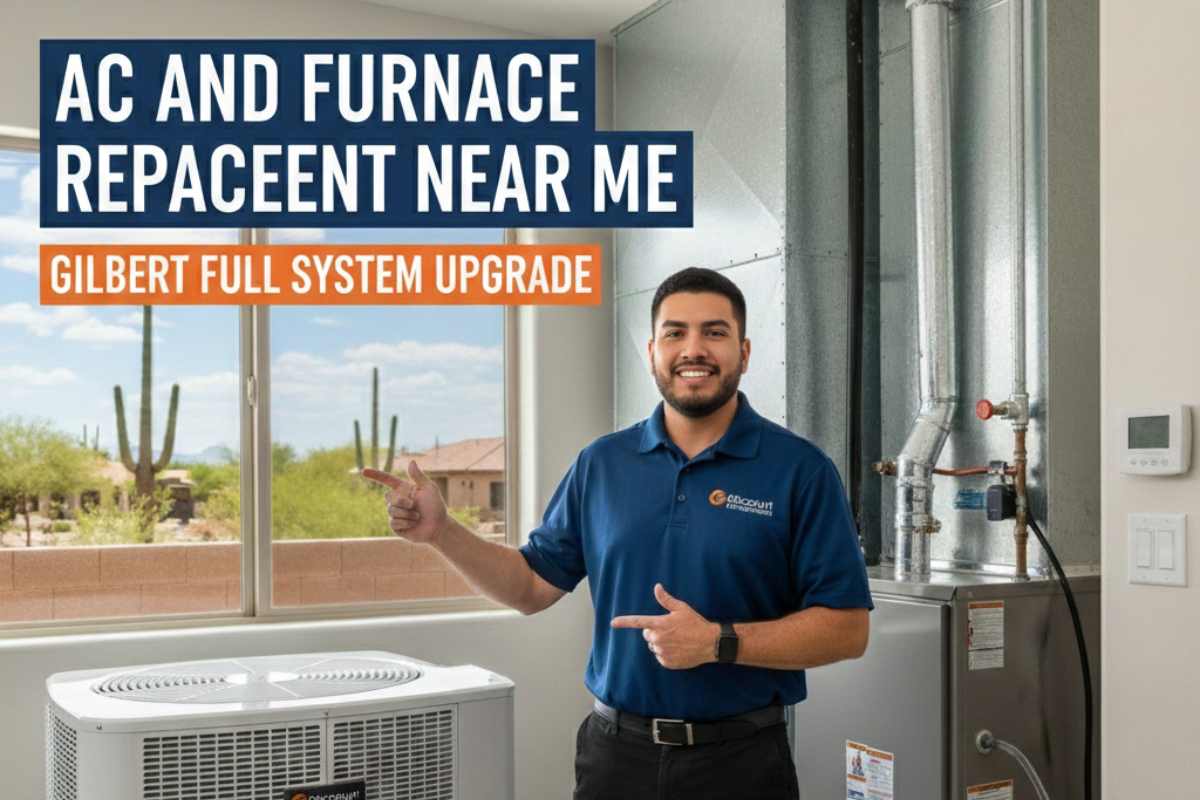
Root cause: AC and Furnace Replacement Near Me makes sense when both systems are aging, mismatched, or straining airflow and electrical components; matched systems run cleaner, last longer, and handle Arizona heat with less stress. The AC struggles in summer.The furnace feels weak in winter.Airflow never feels balanced. In Gilbert
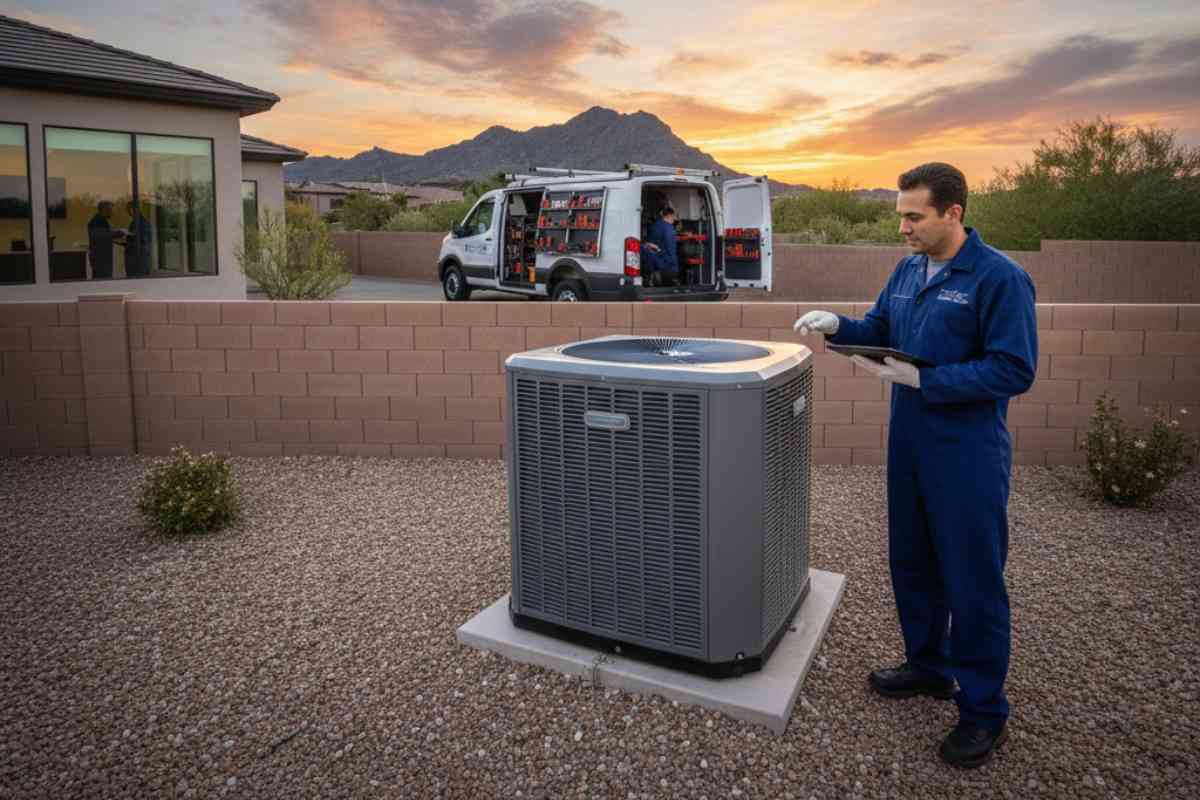
AC repair Paradise Valley is a paramount service for homeowners who value indoor air quality and consistent thermal comfort in one of Arizona’s most prestigious communities. In the heart of the Sonoran Desert, a functional air conditioner is not just a luxury—it is a safety requirement for every household. Residents
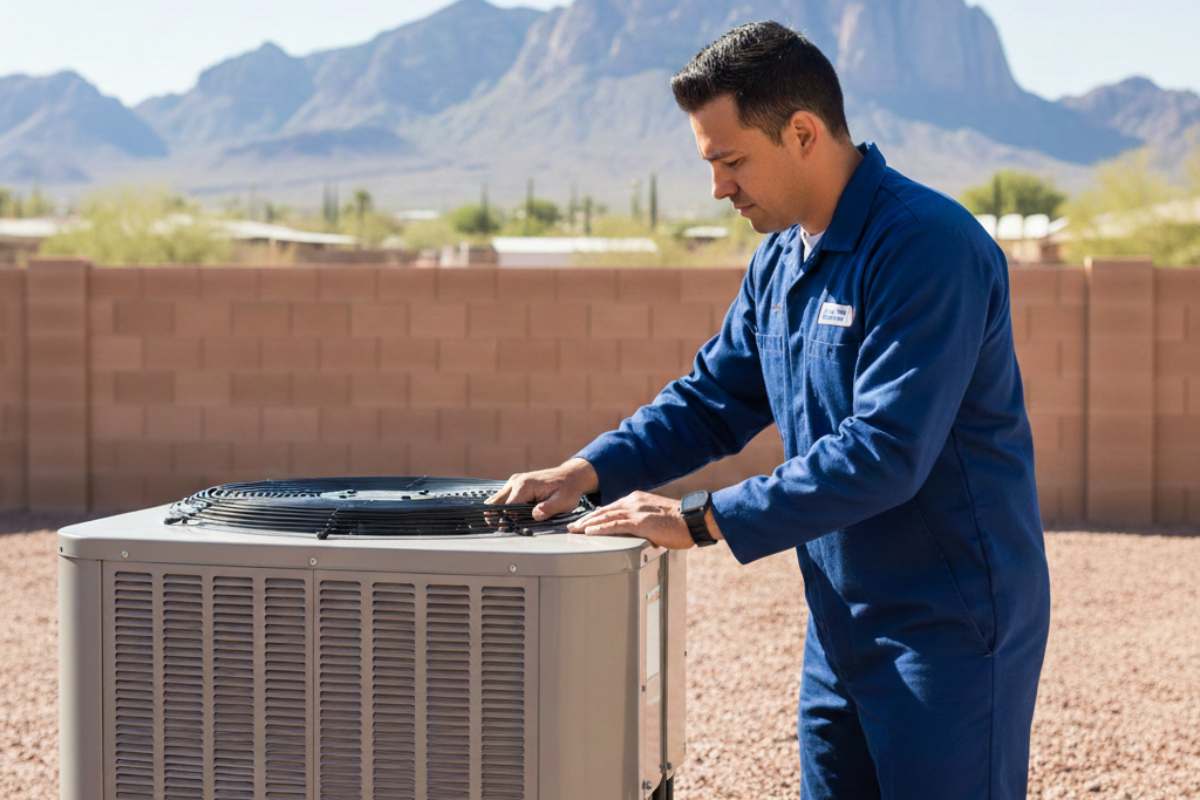
AC repair Apache Junction is a critical service because, in the heart of the Sonoran Desert, a functional air conditioner is not just a comfort—it is a safety requirement. Residents often face extreme thermal stress that can push even the most robust systems to their limit. This guide explores the
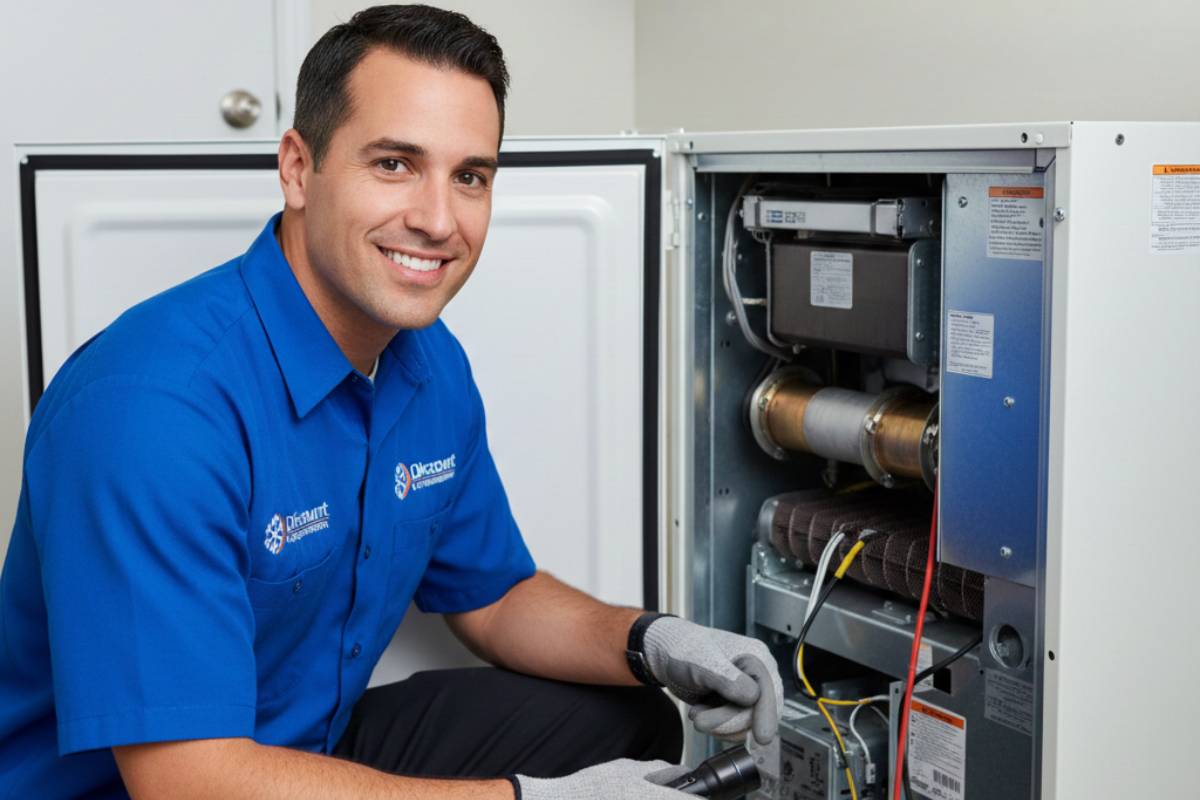
Furnace repair is the most effective solution when your heating system stops producing warmth, makes unusual noises, or fails to ignite during the Arizona winter. Maintaining a reliable furnace is a necessity for a safe home environment, as the sudden transition from cooling to heating can put immense stress on

Maintaining a business environment in the desert heat requires more than just a functioning air conditioner; it demands a system that operates at peak efficiency. For business owners in Phoenix, Mesa, and Queen Creek, Commercial AC repair and maintenance in Arizona is not just a luxury—it is a critical operational
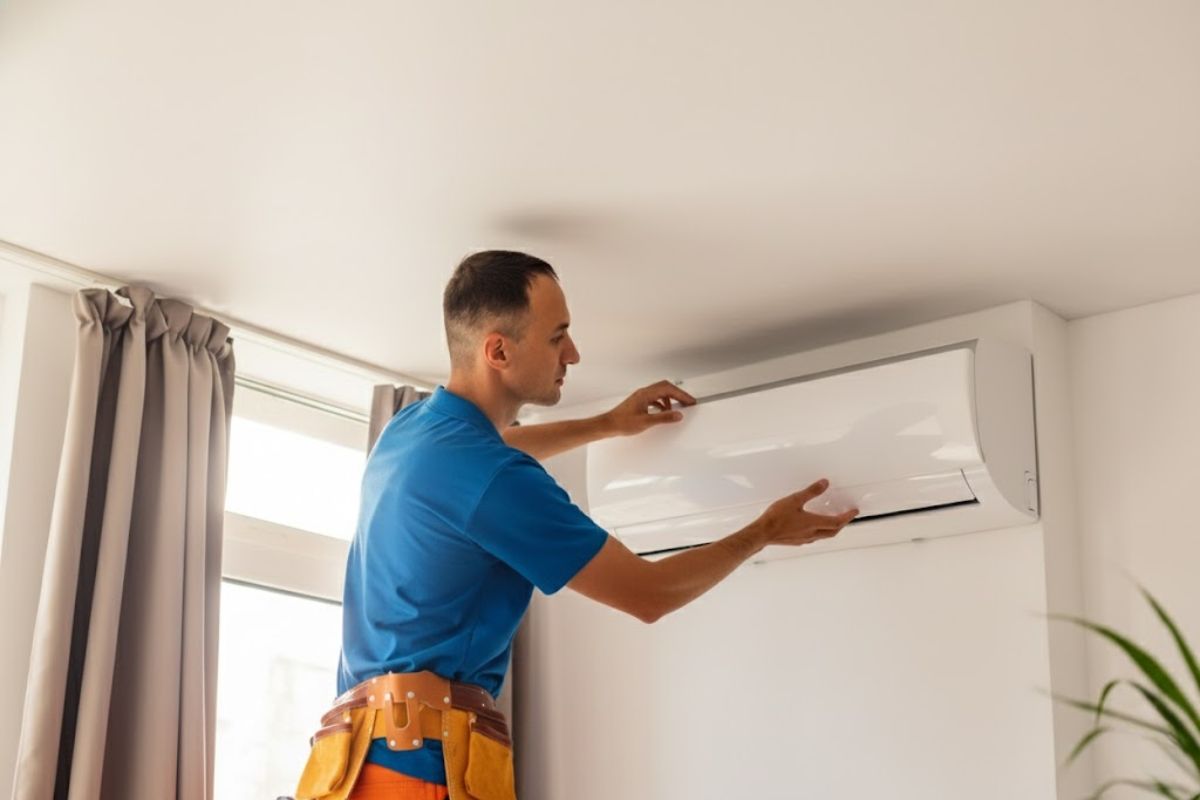
In Arizona, a failing cooling system isn’t just an inconvenience—it’s an emergency. When outdoor temperatures hit 115°F, your home must be a sanctuary. Choosing the right cooling method is the most important decision you can make for your comfort and your wallet. For many homeowners, the choice comes down to
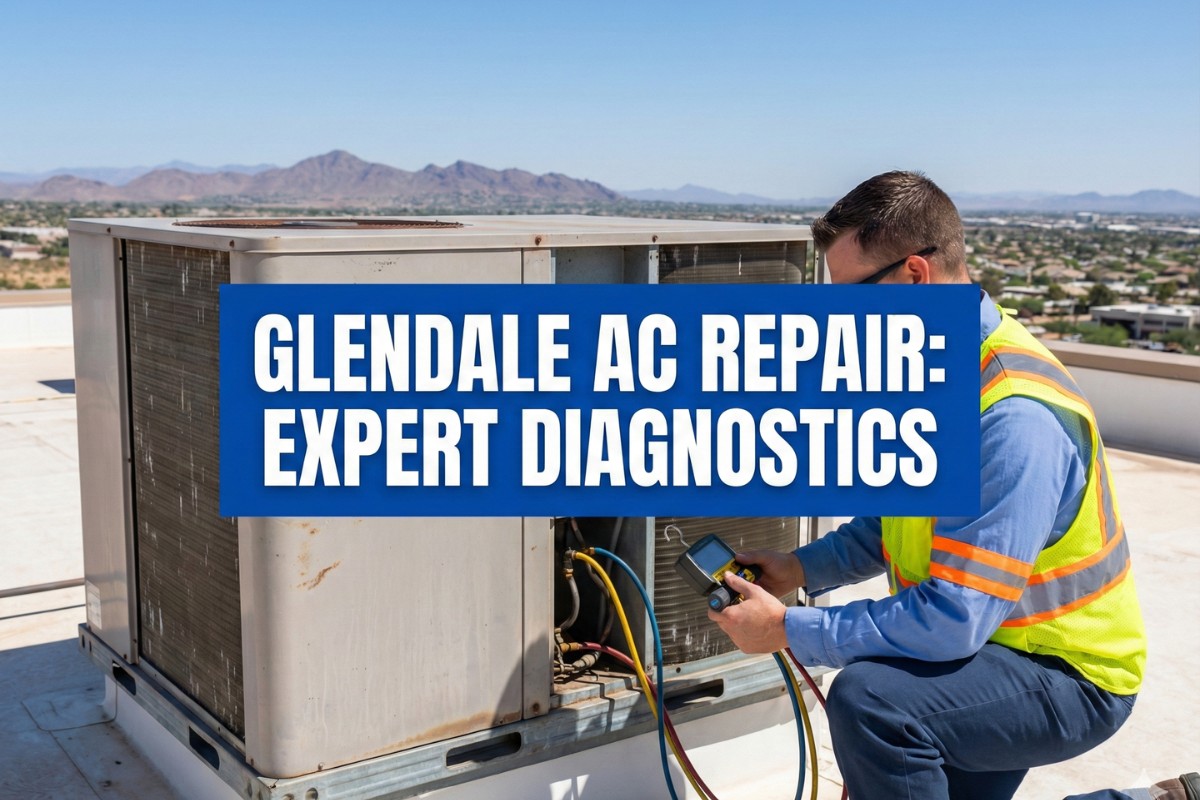
Effective AC repair in Glendale requires checking three critical failure points: the start capacitor, the condenser fan motor, and refrigerant levels (subcooling/superheat). If your system is blowing warm air or making a buzzing sound, shut it off immediately. Running a compromised unit in 110°F+ temperatures will destroy your compressor, turning
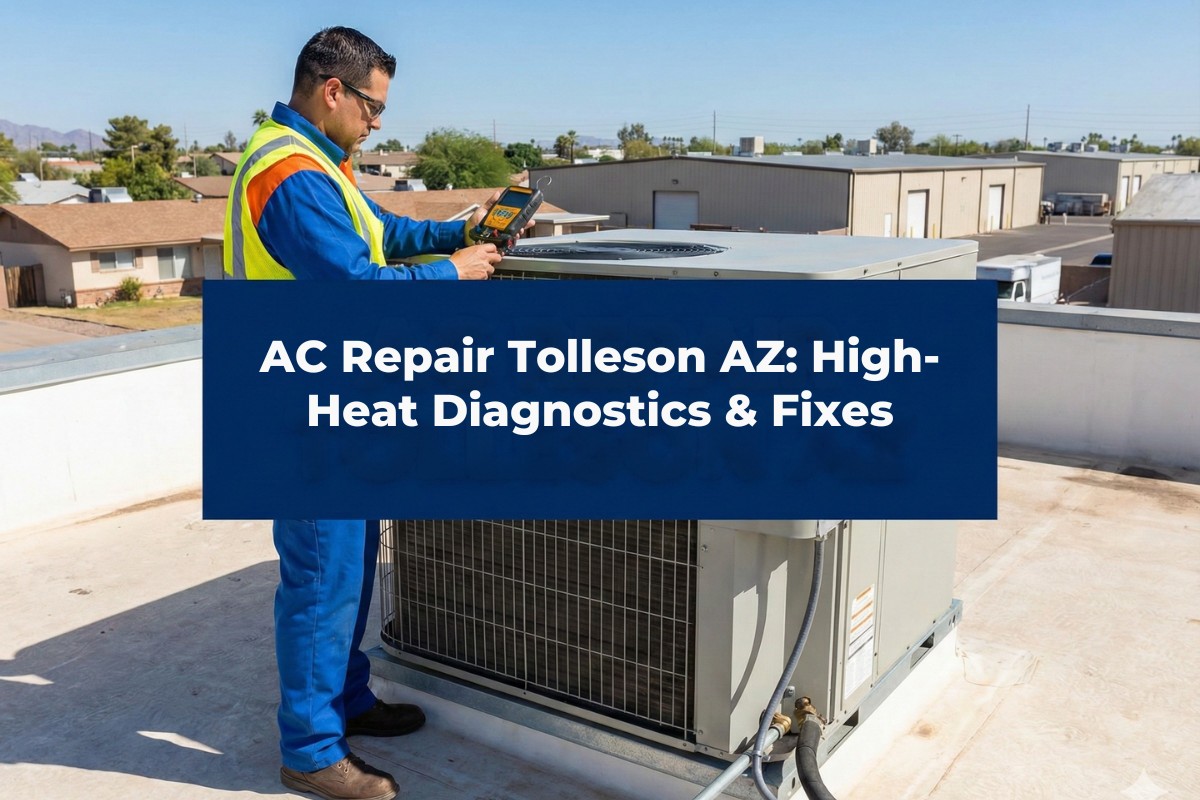
Effective AC repair in Tolleson requires immediate diagnostics of high-voltage components and refrigerant pressures. Common failures in this area stem from failed run capacitors, clogged condenser coils causing high head pressure, or seized compressor motors due to extreme thermal load. Before calling a technician, check your breaker panel and thermostat
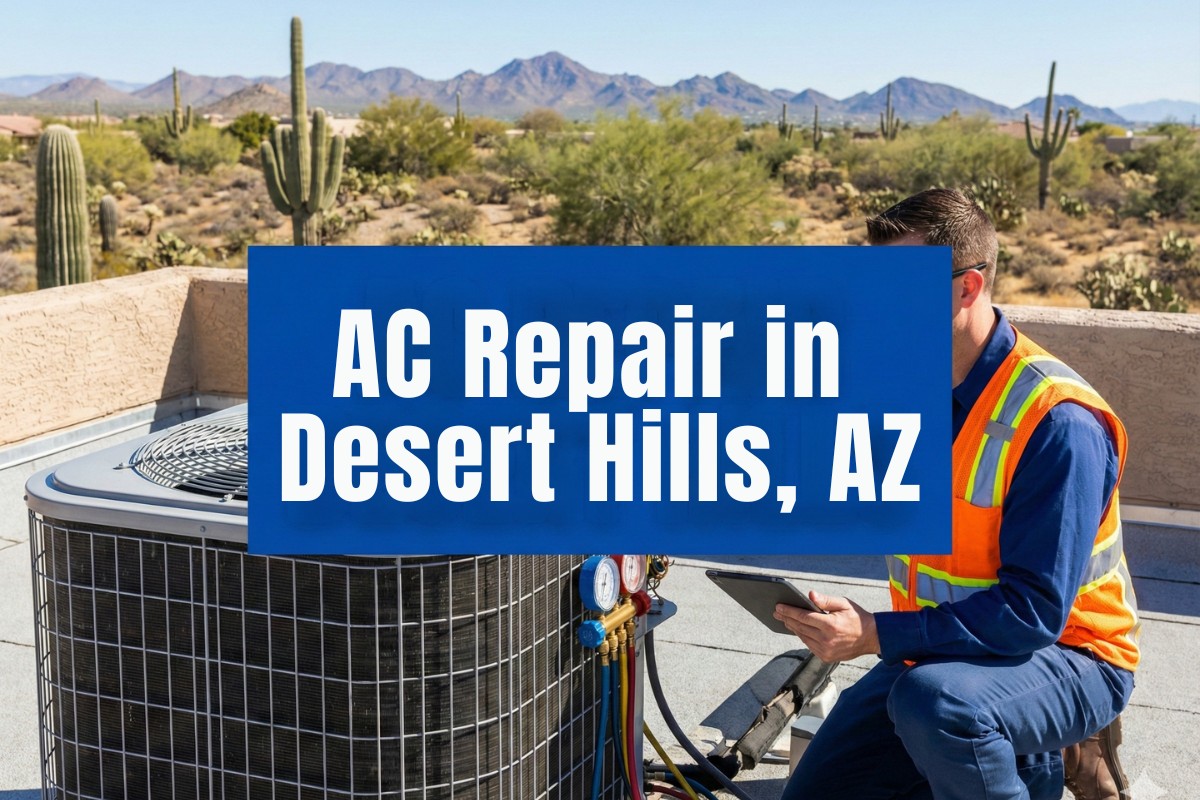
AC repair in Desert Hills often stems from heat-stressed capacitors or clogged condenser coils caused by heavy local dust. If your unit hums but the fan won’t spin, shut it off immediately to save the compressor. Prompt professional diagnostics are vital to prevent total system failure during Arizona’s triple-digit summers.
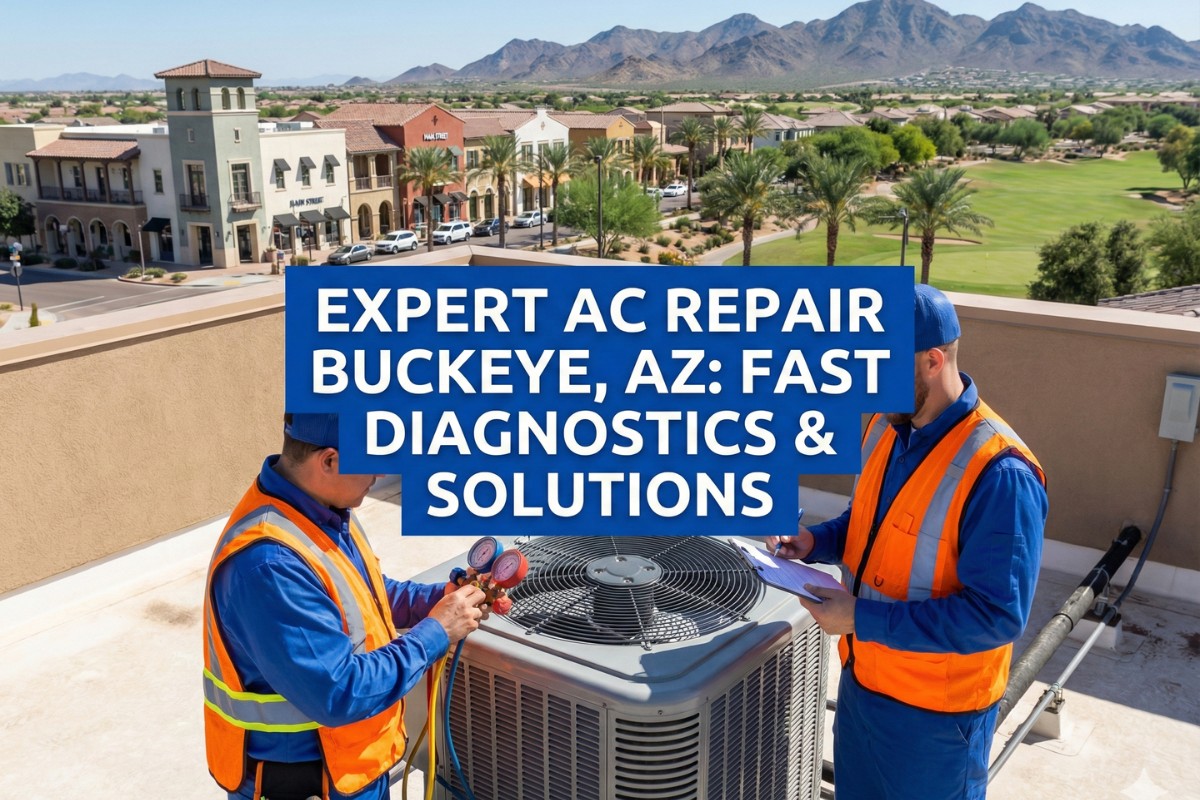
Effective AC repair in Buckeye requires addressing the specific strain caused by 110°F+ ambient temperatures. Common failures include blown dual-run capacitors, dirty condenser coils causing high head pressure, and refrigerant leaks in the evaporator coil. If your system is blowing warm air or freezing up, turn it off immediately to
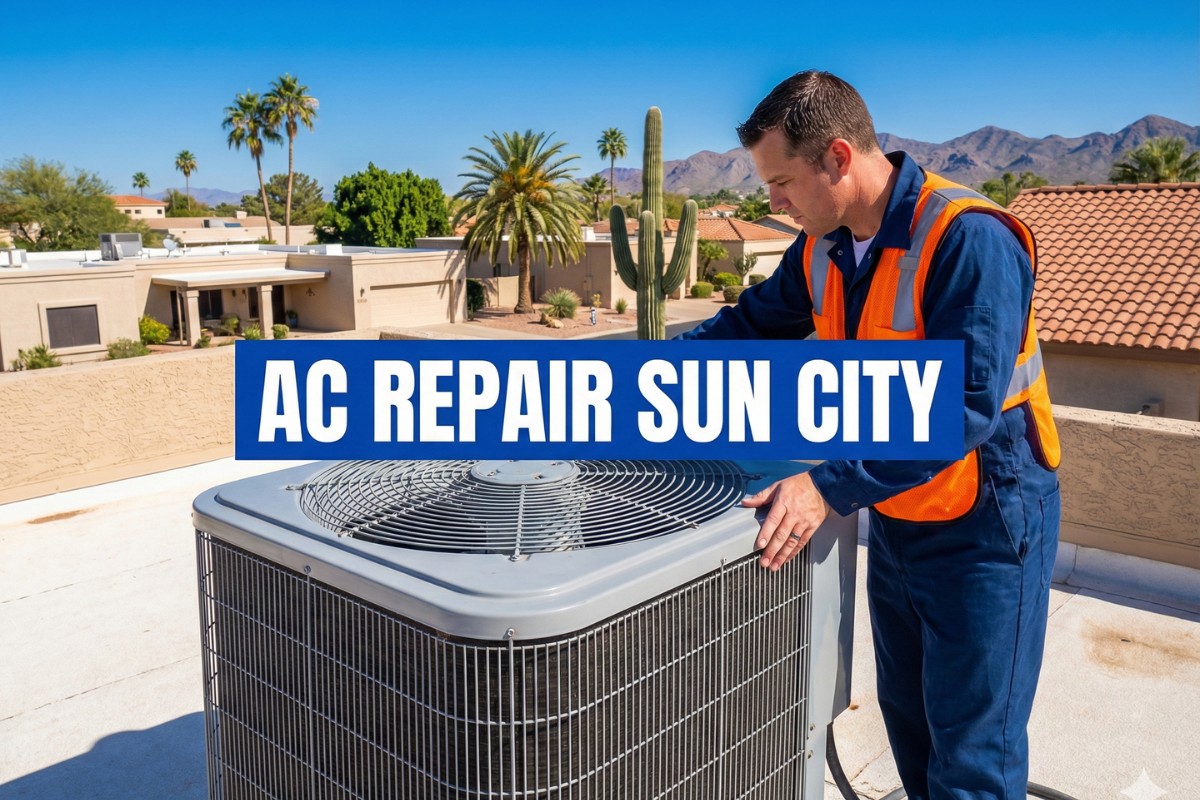
Common AC failures in Sun City stem from failed run capacitors, pitted contactors, and clogged condenser coils caused by local dust storms. When your system faces the extreme radiant heat of a flat roof or older attic insulation, head pressures spike, leading to compressor shut-off. If your unit buzzes without
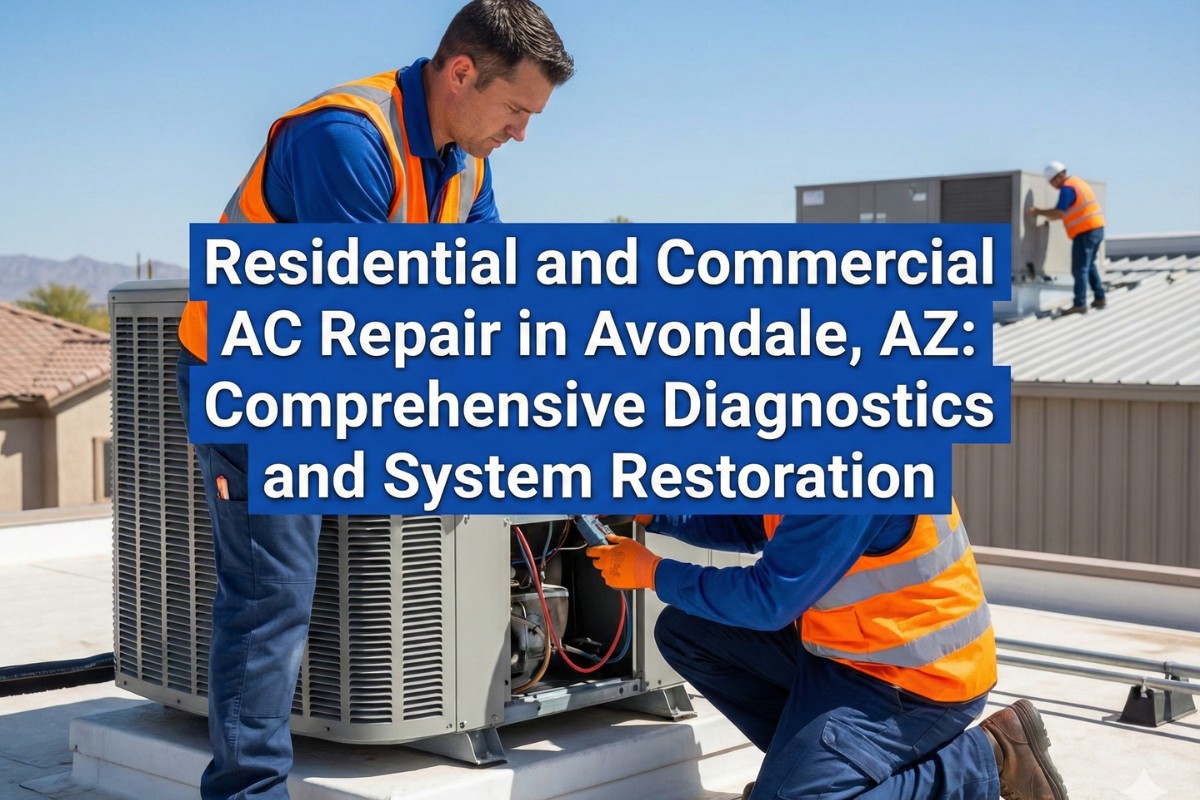
If your AC unit is blowing warm air or making a loud buzzing sound, shut it down immediately. These symptoms usually indicate a failed dual run capacitor, a grounded compressor, or high head pressure caused by a dirty condenser coil. Continuing to run the system in Avondale’s 110°F+ heat will
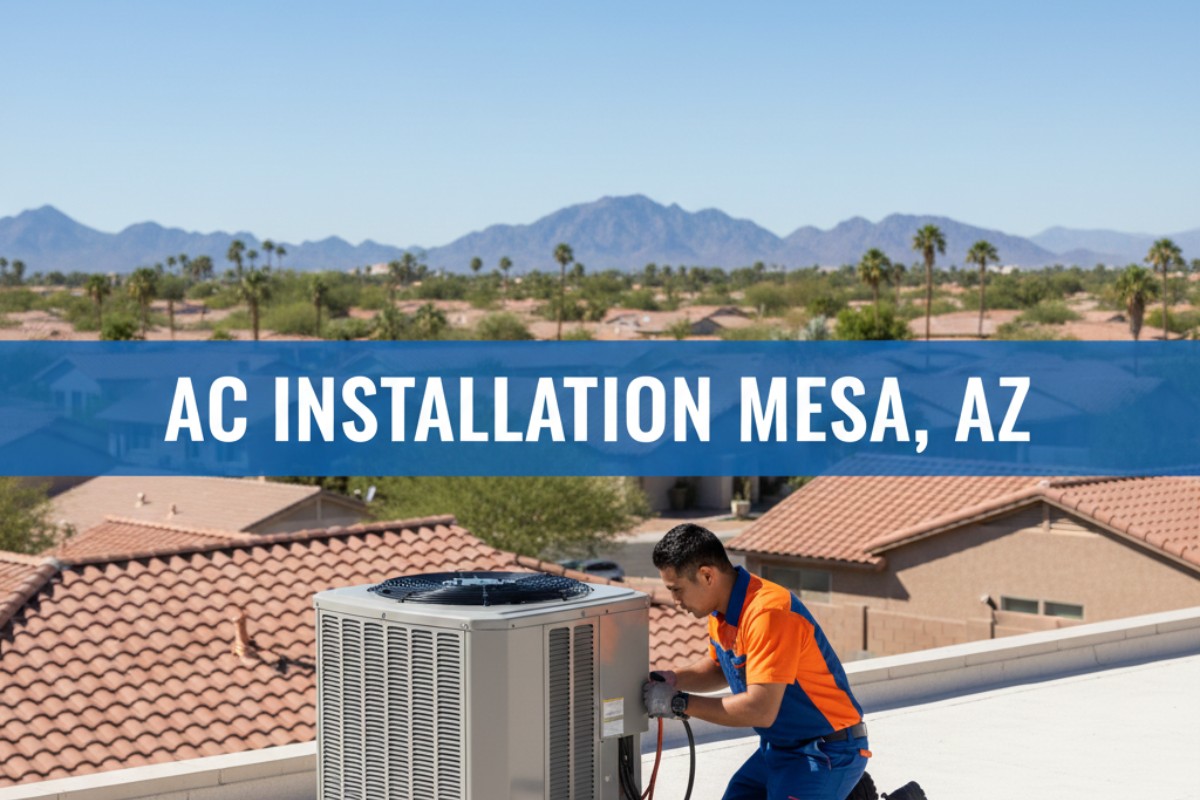
Reliability isn’t about the brand sticker on the metal box; it’s about the physics of the installation. In Mesa, the most reliable AC installation requires three non-negotiable technical standards: a Manual J Load Calculation to prevent short-cycling, Nitrogen purging during brazing to protect the compressor, and a vacuum pulled to