Short answer: In the Phoenix area, a standard ducted air-source heat pump replacement depends on the size, efficiency and ductwork of your home, and we give a clear quote before we start. High-efficiency variable-speed systems, larger homes, or jobs that need duct or electrical work can run higher. Ductless mini-split heat pumps are priced per zone. Your exact number depends on system size, efficiency, and what your home needs, which is why every quote should start with an in-home assessment.
A heat pump is one of the smartest systems you can put in a Phoenix home. It cools through our long summers and handles mild Valley winters without a separate furnace. But the price range you see online is wide, and it is hard to know what applies to your house. This guide breaks down what Phoenix homeowners typically pay, what moves the price up or down, and which rebates still apply in 2026.
Typical Heat Pump Installation Costs in Phoenix
These are typical installed ranges for Phoenix-area homes, including equipment and labor. They are a planning guide, not a quote.
| System type | Relative cost | Good for |
|---|---|---|
| Single-stage air-source heat pump (ducted) | Lower | Budget-friendly replacements in homes with good ductwork |
| Two-stage / multi-stage heat pump | Higher | Better comfort and lower bills in larger or two-story homes |
| Variable-speed (inverter) heat pump | Highest | Maximum efficiency, quiet operation, even temperatures |
| Ductless mini-split heat pump | Priced per zone | Additions, converted garages, rooms that never cool well |
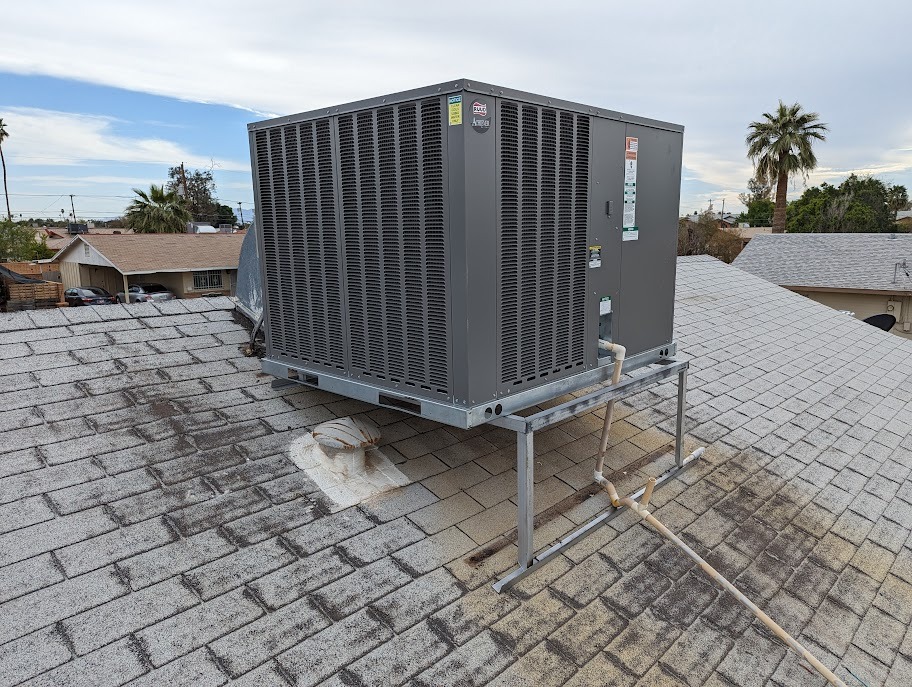
| Packaged heat pump (rooftop or ground unit) | Moderate | Many Phoenix homes with roof-mounted package units |
Ranges reflect common Phoenix-area market pricing for 2026 and vary by home, equipment brand, and site conditions.
What Drives the Price of a Heat Pump Install
1. System size (tonnage)
Most Phoenix homes need somewhere between 2.5 and 5 tons. Bigger is not better: an oversized unit short-cycles, wears out sooner, and leaves the house clammy. A proper load calculation (Manual J) sets the right size. Learn more in our guide on how to choose the right AC size for a Phoenix home.
2. Efficiency rating (SEER2 and HSPF2)
Higher-efficiency equipment costs more up front but lowers your monthly bills, and in Phoenix the cooling side does most of the work. See what SEER rating makes sense in Arizona before you choose.
3. Split system vs. package unit
A split system has an outdoor unit and an indoor air handler. A package unit puts everything in one cabinet, usually on the roof. Crane lifts, roof curbs, and access all affect labor on package installs.
4. Ductwork condition
Leaky or undersized ducts can waste a big share of the air your new system produces. Sealing or replacing sections adds cost but protects your investment.
5. Electrical and code updates
Older homes may need a new disconnect, breaker, or wiring to meet current code. Permits and inspections are part of a proper install.
6. Switching from gas to electric
If you are replacing a gas furnace plus AC with a heat pump, the job can include capping the gas line and removing the old furnace. Some homeowners keep the furnace as backup heat in a dual-fuel setup. Not sure which way to go? Read heat pump vs. furnace in Arizona.
Rebates and Incentives Phoenix Homeowners Can Still Use in 2026
The incentive picture changed this year, and a lot of online advice is out of date.
| Program | Relative cost | Key requirements |
|---|---|---|
| SRP Cool Cash rebate | Lower | SRP residential customer, SEER2 15.2 or higher, Arizona-licensed installer, replaces an existing central system |
| Efficiency Arizona (HEAR) | Possible rebates or tax credits toward a qualifying heat pump | Income-qualified households; eligibility rules were updated in 2026 and pre-approval is required before installation |
| Federal 25C tax credit | No longer available | Ended for equipment placed in service after December 31, 2025 |
Program amounts, dates, and eligibility can change. Always confirm current terms with SRP, APS, or Efficiency Arizona before you buy.
Our team can help you check which rebates fit your system and make sure the equipment we quote meets the program requirements.
Repair or Replace Your Heat Pump?
If your current system is under 10 years old and the problem is a single part, such as a capacitor, contactor, or reversing valve, repair is usually the better value. Replacement makes more sense when:
- The system is 12 to 15 years old or older
- It uses R-22 refrigerant
- Repair quotes are approaching half the cost of a new system
- Your energy bills keep climbing even after service
Not sure what you are dealing with? Start with our list of heat pump warning signs.
How to Keep Your Installation Cost Under Control
- Get a load calculation, not a guess. The right size saves money on both the install and your bills.
- Compare quotes line by line. Check tonnage, SEER2, what is included (ducts, thermostat, permits, haul-away), and the coverage.
- Plan before peak season. Replacing in the cooler months gives you more scheduling flexibility than an emergency swap in July.
- Ask about financing. See our AC and heat pump financing options in Phoenix.
Get an Accurate Heat Pump Quote for Your Phoenix Home
Our technicians size your system, check your ductwork and electrical, and walk you through options and rebates before you decide.
Frequently Asked Questions
How much does it cost to install a heat pump in Phoenix?
Most standard ducted air-source heat pump replacements in the Phoenix area are priced by size, efficiency and installation needs, and we quote them in writing before we start. Variable-speed systems, larger homes, and jobs with duct or electrical upgrades cost more.
Is a heat pump worth it in Phoenix?
For most Valley homes, yes. Phoenix winters are mild, which is where heat pumps work most efficiently, and the same system handles summer cooling. Many homeowners can skip a separate gas furnace.
Is a heat pump more expensive than a regular AC?
A heat pump typically costs a bit more than an AC-only system of the same size and efficiency, but it also replaces your heating. Compared with an AC plus a new furnace, a heat pump is often the lower total cost.
Is there still a federal tax credit for heat pumps?
No. The federal 25C credit ended for equipment placed in service after December 31, 2025. Utility rebates such as SRP Cool Cash and the income-qualified Efficiency Arizona program may still apply.
How long does a heat pump installation take?
A typical replacement takes one day. Package units that need a crane, duct replacement, or gas-to-electric conversions can take longer.
How long does a heat pump last in Arizona?
Heat pumps in Phoenix often last around 10 to 15 years because they run almost year-round. Regular maintenance in spring and fall helps you reach the upper end of that range.